A flydubai Boeing 737 MAX 8 flying from Dubai to Tel Aviv dropped roughly 15,000 feet in about a minute after an apparent terror attempt in the cockpit — and somehow everyone on board survived. The aircraft was damaged so badly in the dive that its rudder tore from the tail.
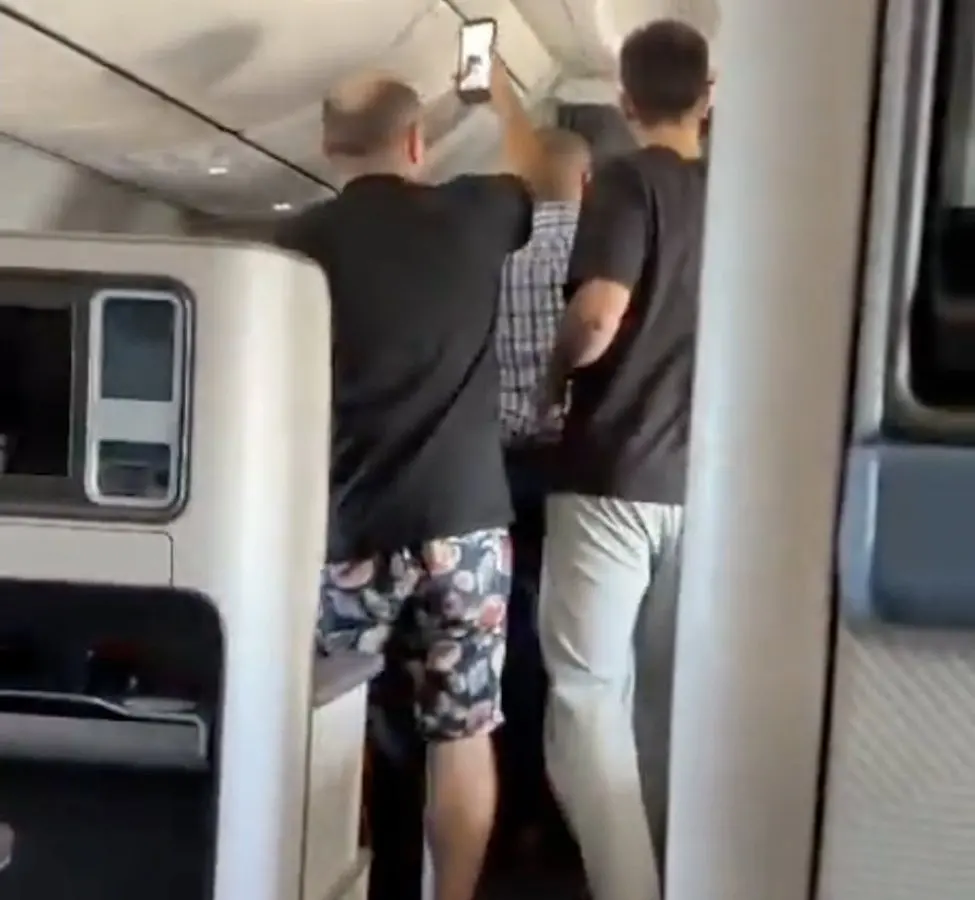
Here is the sequence as it has emerged from eyewitness accounts and official statements. The Omani first officer attacked the Indian captain in the closed flight deck, stabbing him and throwing him to the floor away from the controls. The injured captain managed to shove open the cockpit door and scream for help. A mother and daughter, using the lavatory at the time, heard the commotion and alerted the cabin, and passengers stormed the cockpit — the door was already open, not breached — to restrain the first officer.
The wildest detail: one passenger says he pulled back on the yoke to pull the plane out of its dive, later crediting years of watching the TV show "Air Crash Investigation." He apparently put the first officer in a chokehold in the process, and was photographed with Israeli Prime Minister Netanyahu upon landing — still in a bloodied shirt. Two off-duty pilots who happened to be in the cabin then took the controls and diverted the aircraft safely to Saudi Arabia.
Flydubai has since suspended flights to Israel, which had recently become its highest-frequency international market. There's also a lingering question about crew rules: some Israeli sources claim operating the route requires pilots from countries that have normalized relations with Israel, which Oman does not. The UAE-Israel bilateral aviation agreement reportedly contains no such clause, so whether flydubai broke a rule or someone misread one remains unclear.
The brazenness is what unsettles aviation watchers most. Pilot-initiated crashes have almost always happened when a pilot was alone in the flight deck; here the first officer attacked a colleague face to face. Some are also puzzling over why the dive wasn't steeper — a sharper descent would have pinned everyone to their seats under G-forces, making the passenger intervention impossible. That has led to speculation the goal may have been to seize the aircraft and fly it elsewhere rather than crash it outright. The investigation will need to determine whether the autopilot was deliberately disconnected or disengaged during the struggle.
Why should travellers care? Beyond the obvious relief that this didn't become a mass-casualty event, the incident raises fresh questions about cockpit procedures on routes to Israel, pilot vetting, and how quickly airlines and regulators respond. It also stands as a strange testament to cabin crew, ordinary passengers, and two off-duty pilots acting in the right moment — plus a considerable share of luck, given the structural damage the plane absorbed. Route suspensions mean anyone booked on flydubai's Dubai–Tel Aviv service should watch for schedule changes while the investigation runs its course.
Credit: One Mile at a Time