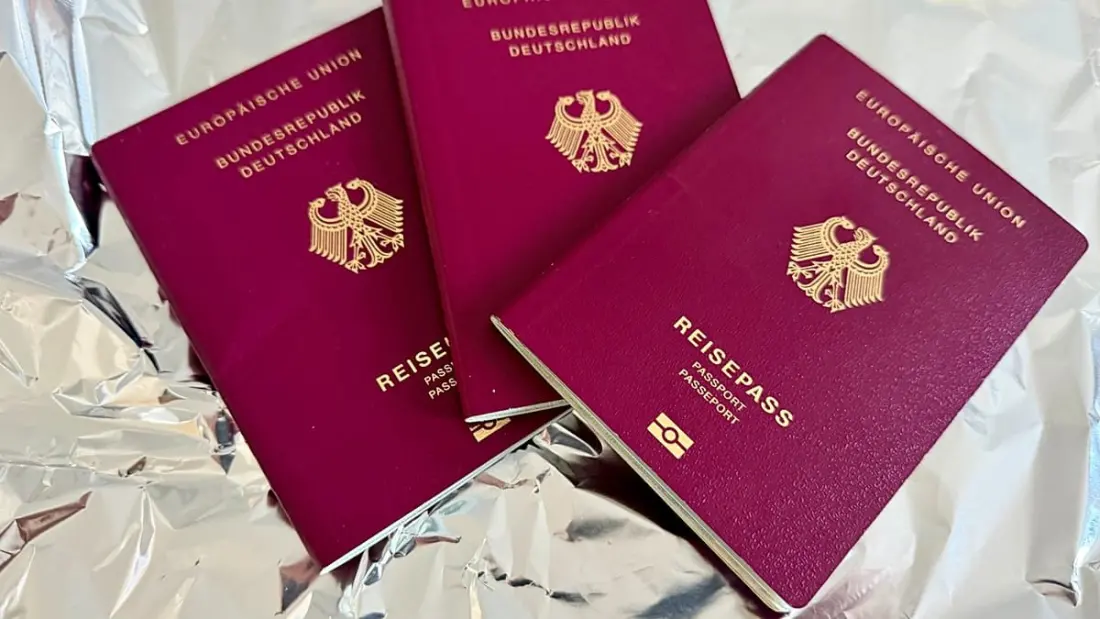
A curious trend is spreading across TikTok, Reddit and travel forums: holidaymakers wrapping their passports in aluminium foil before heading to the airport, convinced it will shield them from digital pickpockets. Border staff are less convinced — and the extra fumbling at passport control is starting to slow queues down.
The fear behind the foil is that modern passports carry an RFID chip that criminals could read contactlessly as you walk past, skimming your personal details. That chip is real: German passports, for example, store a digital photo along with your name, place of birth, sex, eye colour, height, address and two fingerprints taken at the application stage. Germany's Federal Office for Information Security says the chip exists to make border checks fast and tamper-proof, not to create a security hole.
Security experts say the scare is overblown. The chip has an extremely short read range — a skimmer would need to be practically resting on the document, similar to how contactless card payments only work at close range. In normal, everyday travel scenarios, unauthorised access is considered highly unlikely. Which makes the foil largely decorative: it provides no meaningful protection, but it does guarantee minutes of crinkly unwrapping at every border, plus some puzzled looks from fellow passengers.
The legal side is also reassuring, at least for German passport holders. There is no central database of chip data. The passport registers kept by German authorities hold only the information that appeared in registers before electronic passports existed. Fingerprints live solely on the document itself — and under section 16 of the Passport Act, all fingerprint data used during production is irrevocably deleted once the traveller collects their passport.
So should you bin the foil? If it helps you feel safer, it harms no one except queue efficiency. But by the experts' reading, you're protecting yourself from a threat that barely exists while creating a very real one: longer waits at passport control for yourself and everyone behind you. The takeaway for travellers is simple — your e-passport chip is designed with privacy in mind, the data on it is tightly protected, and your energy is better spent keeping the physical document safe. A foil-lined pocket won't stop the most common travel mishap of all: leaving your passport in the hotel safe.
For anyone worried about digital security on the road, sensible habits still beat gadgets and hacks: keep your passport on your person in transit, carry a photocopy separately, and report a lost document immediately. The foil, according to the specialists, can stay in the kitchen drawer.
Why it matters: this story touches nearly every international traveller with a biometric passport, and it's a good example of social media travel advice outpacing the actual risk. Before adopting the next viral safety hack, it's worth checking what security authorities actually say.