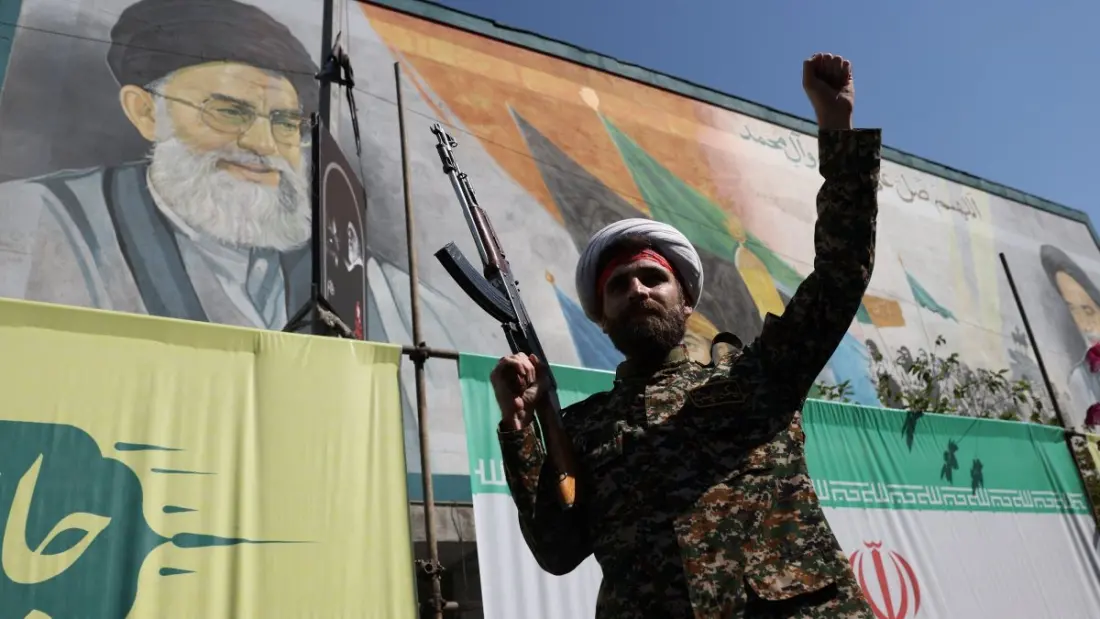
Iran's military command has issued some of its sharpest warnings yet, telling state television that Washington is preparing fresh strikes with the backing of regional allies — while simultaneously signalling that Tehran wants to revive a collapsed peace framework. For anyone watching the region, the mix of threat and diplomacy is the whole story.
The Khatam al-Anbiya central headquarters, Iran's top military command, said on Sunday it would respond to any renewed American offensive with "continuous, effective, and painful attacks" on US bases and interests across the Middle East. It also cautioned Iran's neighbours that helping American operations would strip them of any "restraint or decency" from Iranian forces.
Yet at the same time, Parliament Speaker Mohammad Bagher Ghalibaf, acting as chief negotiator, confirmed Iran's conditions for ending the war have been passed to Washington through mediators. Supreme National Security Council secretary-general Mohsen Rezaei told Al Jazeera those terms mirror the 14-point framework signed with the US in mid-June: an end to fighting on all fronts, release of frozen Iranian funds, lifting of the naval blockade, and a formal close to the Houthi–Saudi conflict in Yemen.
The context matters. Fighting began on February 28 when the US and Israel struck Iran, prompting retaliatory attacks and an Iranian naval blockade of the Strait of Hormuz — the choke-point that carries a huge share of the world's oil and gas shipments. The June agreement was meant to fix that: Iran would guarantee safe, toll-free passage for commercial shipping through the strait, while the US would lift its blockade of Iranian ports and unfreeze assets. It fell apart over navigation rights and the mechanics of releasing the money, and the 60-day negotiating window lapsed without a permanent treaty.
Diplomacy is still moving. Pakistani Interior Minister Mohsin Naqvi arrived in Tehran on Sunday for talks, with Qatar continuing to act as the main conduit to Washington. Israeli analyst Danny Citrinowicz summed up Tehran's stance: Iran wants the war over, but only on terms that restore the June memorandum — no renegotiating from scratch, no reopening nuclear talks first, no extra concessions.
For travellers, the practical takeaway is blunt: much of the Gulf and Iran remains off-limits or high-risk while the blockade and strike exchanges continue, and any return to the June framework would be the key signal that regional travel — including shipping-dependent itineraries and Gulf flights — could gradually normalise. Watch for a restored strait, unfrozen funds and de-escalation on the Yemen front before treating the region as open for business again.