A downpour floods the street outside a neighbourhood soda, and nobody flinches. Lunch keeps going, a chair gets pulled under the awning, and the rain becomes part of the afternoon. That, in a nutshell, is Tico culture — and understanding it will change how you experience Costa Rica far more than any itinerary tweak.
"Pura vida" is the phrase every visitor hears within minutes of landing. It works as hello, goodbye, thank you, no worries, or a shrug at bad news. But it's less a promise that life is easy — ask anyone who has dealt with Costa Rican paperwork or traffic — and more a chosen attitude: patience over confrontation, connection over transactions. A delayed appointment gets an apology and a smile rather than a scene.
The greeting comes first here, always. A "buenos días" before you ask for anything at the bank, the shop, or with a contractor isn't ceremony — it establishes that you see the other person as a person. Newcomers who succeed in Costa Rica tend to be the ones who learn names, show up when they say they will, and build trust slowly over coffee and shared meals. Timing has its own local logic too: "ahorita" can mean now, soon, or considerably later, so confirm details clearly when the clock actually matters.
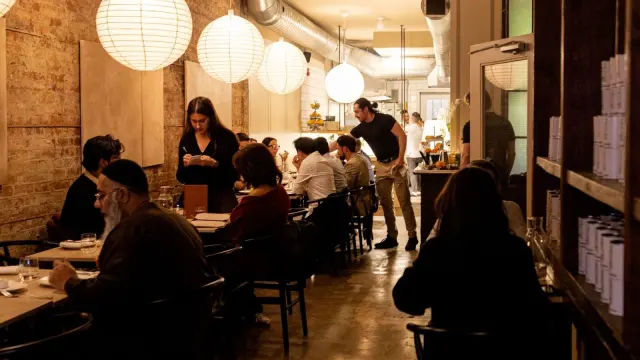
Food is the easiest entry point. The casado — rice, beans, salad, plantains and a protein on one generous plate — is the everyday lunch, and gallo pinto with eggs, tortillas and Salsa Lizano is a breakfast point of national pride. Skip the resort buffet and eat at a soda, the family-run restaurants where construction workers, teachers and travellers all order the same lunch special at friendly prices. Coffee, meanwhile, is an invitation to pause, not just caffeine.
It's worth remembering that Costa Rica isn't culturally uniform. The Central Valley runs on urban, professional rhythms; Guanacaste carries ranching and sabanero traditions; Limón reflects Afro-Caribbean heritage in its music, food and festivals; the Southern Zone and Nicoya Peninsula have their own histories. And the country faces real tensions — rising living costs, water demand, and rapid development changing once-quiet coastal towns. Visitors who respect beach access, conserve water in the dry season, and spend at locally owned businesses are participating in the values Costa Ricans themselves work to protect.
Don't perform local culture; just be curious and let your Spanish be imperfect. A few sincere phrases — including the very Tico "mae" (roughly "dude") and "tuanis" ("cool") — go further than fluent-sounding slang. Accept invitations when they come, bring something small to share, and don't expect an evening at someone's home to run on a schedule. The best of Costa Rica happens at walking pace: neighbours chatting through an open gate, a shopkeeper remembering your order, a lunch stretching into a two-hour conversation. Book less, notice more.