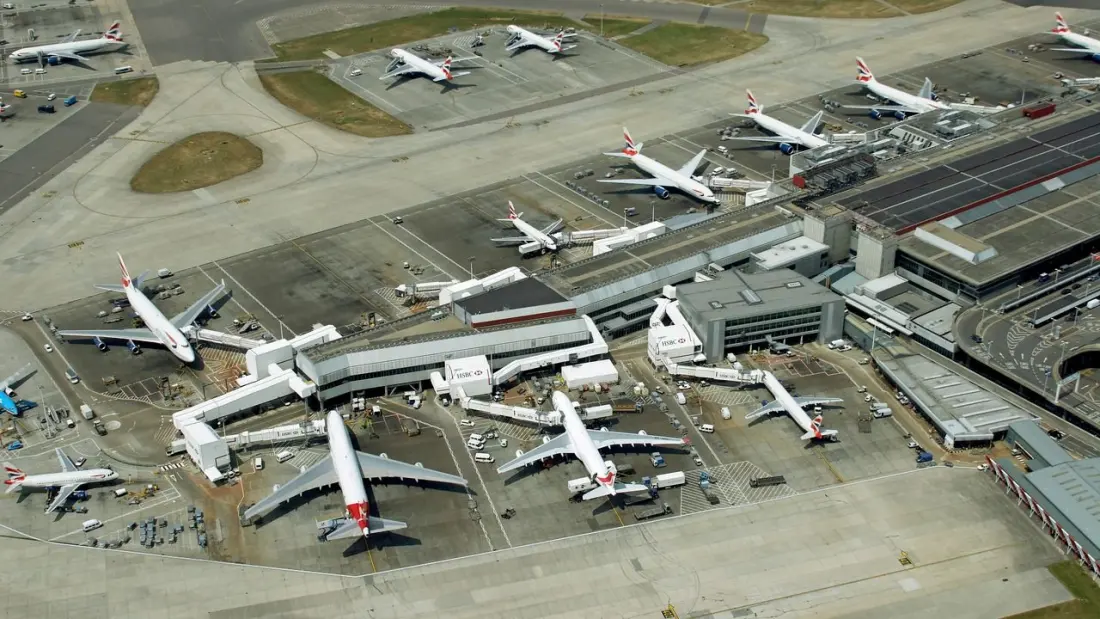
There's a new king of global connections. Istanbul Airport has taken first place in the 2026 OAG Megahubs Index, ending London Heathrow's three-year run as the world's best-connected hub. For anyone who likes their long-haul trips to come with plenty of routing options, this shift says a lot about how international travel patterns are moving.
The rankings come from flight data analysts at OAG, who study the 100 largest international airports across a 12-month period and count every possible connection between inbound and outbound flights within a six-hour window. The winners — the airports OAG dubs "megahubs" — score highest on the ratio of potential international connections to the number of destinations served.
Istanbul's rise is dramatic. It jumped from eighth place in 2024 to second in 2025, and now tops the 2026 list with scheduled links to 337 destinations worldwide. Turkish Airlines, the world's most-connected carrier, is the engine behind that figure, turning the airport into a one-stop gateway between Europe, Asia, Africa and the Americas. Heathrow, by contrast, slipped to second, with potential connections on its busiest operating day down 6% year on year. Disruption across Middle Eastern airspace played a role — with some routes that would normally transit troubled hubs re-routing via Istanbul instead.
Elsewhere in the top five, Amsterdam Schiphol climbed to third thanks to growing capacity and new destinations, while Kuala Lumpur held fourth place. Its potential connections dipped slightly, but the Malaysian hub now serves 154 destinations, up from 151 — still making it the best-connected airport in Asia.
The US picture is remarkably stable. Chicago O'Hare leads domestically, followed by Atlanta Hartsfield-Jackson, Dallas Fort Worth, Denver and Charlotte — the same top five as before. Seattle-Tacoma, Los Angeles, Houston George Bush, Detroit and Boston Logan round out the American top ten.
Globally, two US airports crack the international top ten: Chicago O'Hare in fifth and Atlanta in tenth, sitting among Istanbul, Heathrow, Amsterdam, Kuala Lumpur, Seoul Incheon, Frankfurt, Tokyo Haneda and Paris Charles de Gaulle.
So why should this matter when you're booking? Hub connectivity translates directly into flexibility. Flying through a megahub means more daily flight options, easier rebooking when things go wrong, and often shorter layovers thanks to dense banks of arriving and departing flights. Istanbul's new number-one status makes it an increasingly obvious choice for one-stop itineraries between Europe and Asia, Africa or the Gulf — often at competitive fares too. And if you're in the US, knowing O'Hare and Atlanta offer the deepest schedules can save you a headache when plans change mid-trip. The Megahubs list is essentially a cheat sheet for choosing connecting airports that work in your favour.