The Algarve is better known for beaches than for arts funding, but Loulé is trying to change that. The inland Algarve town has committed €8.25 million to its bid for Portuguese Capital of Culture 2028, a national title that would put the region's cultural life squarely in the spotlight.
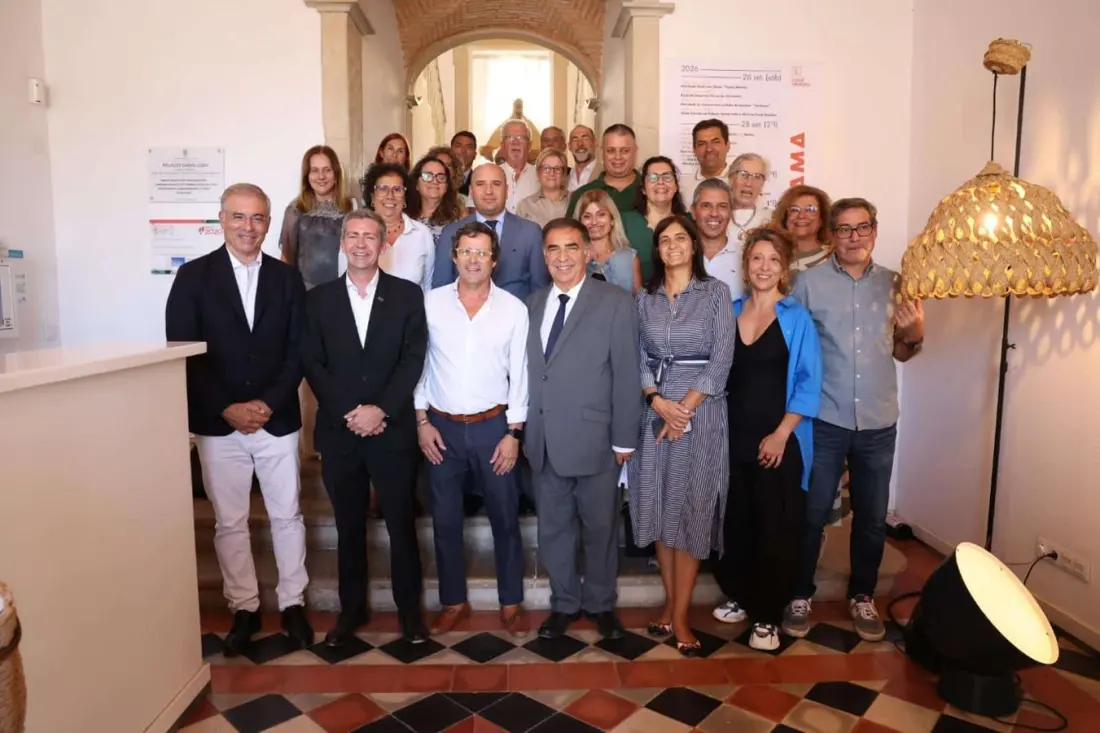
Most of the money – €7 million – comes from Loulé Council, spread across 2027 to 2030, with a further €1 million earmarked from government support for the winning city and €250,000 from other backers. The bid was formalised at a ceremony at the Palácio Gama Lobo, with the council, the Algarve tourism board and CCDR Algarve all signed on. Writer Lídia Jorge, musician Dino D'Santiago and theatre director Ricardo Neves-Neves are lending their names as ambassadors.
What makes the pitch distinctive is its reach. Rather than concentrating events in the town centre, the programme is designed to involve all 11 parishes of the municipality, from hillside villages like Ameixial and Alte to coastal Quarteira and Boliqueime. The cultural team behind it frames the bid as a statement of intent: that the Algarve is a place lived in year-round, with its own creative voice, not just a summer resort. Their slogan in spirit – getting Portugal to "think from the south" – is as much about identity as tourism.
There's serious hardware behind the ambition too. Alongside the bid budget, the council has lined up €76.3 million in eight cultural infrastructure projects. The biggest is a €31.5 million Education and Culture Centre in Quarteira, plus a €21 million revamp creating the Quarteirão Cultural – Loulé Municipal Museum, an €8 million Contemporary Arts Centre, the €5.3 million restoration of Quarteira's old casino, and a €5 million Penina Interpretation Centre tied to the Algarvensis Geopark. Extensions to the Cineteatro Louletano and the music conservatory round out the list.
The competition is real. Eight other cities are already in the running – Almada, Amarante, Barreiro, Covilhã, Guarda, Leiria, Óbidos and Setúbal – and more can join before the December 3 application deadline. An independent jury will judge bids on long-term strategy, programme quality, financial sustainability, legacy and governance, with the winner announced on March 23, 2027. Loulé would follow Aveiro, Braga and Ponta Delgada as national titleholders; 2027 belongs to Évora as European Capital of Culture.
For travellers, this is worth watching even if Loulé doesn't win. The investment alone means new museums, arts venues and restored buildings opening across the municipality over the next few years – and if the bid succeeds, 2028 would bring a packed events calendar across a part of the Algarve most visitors skip in favour of the coast. Loulé's Saturday market, castle and moorish-era streets already make it an easy day trip from Faro or the resort towns; a cultural boom would give people a reason to stay longer and venture inland to Alte and the geopark countryside.