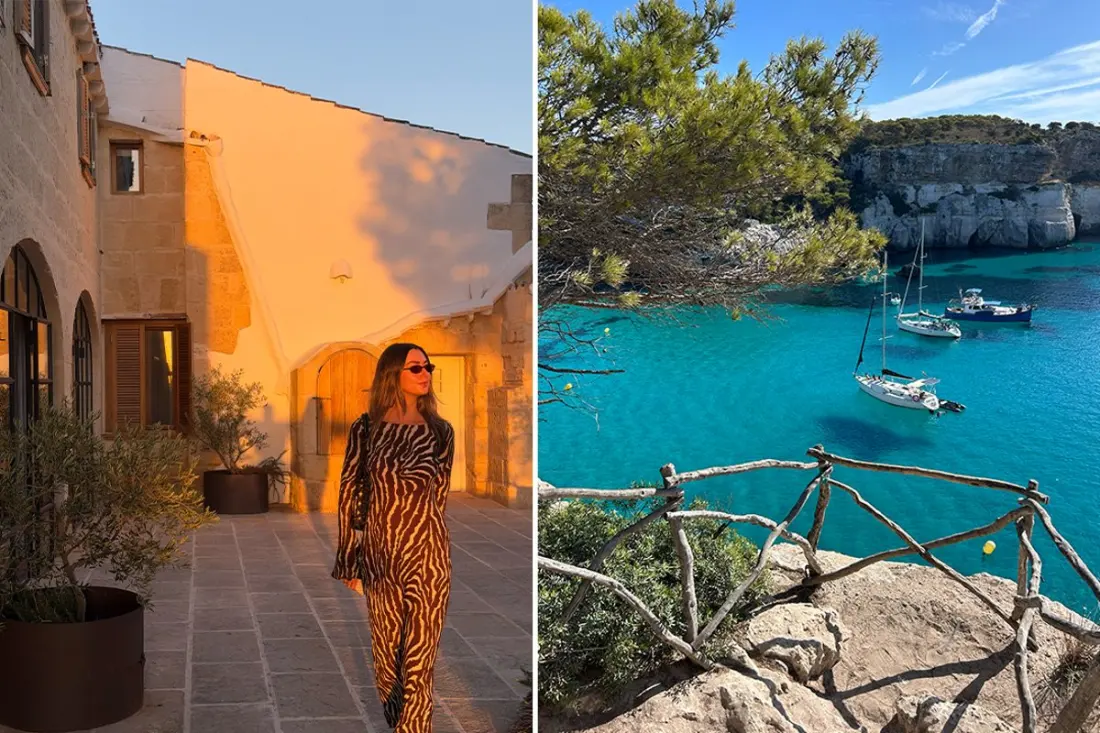
Swim off a white-sand cove with barely another person in sight and you could be forgiven for thinking you'd landed in the Maldives. The writer behind a new first-person piece for The Independent found that scene much closer to home: Menorca, the smallest and sleepiest of Spain's Balearic islands, and a Unesco Biosphere Reserve since 1993.
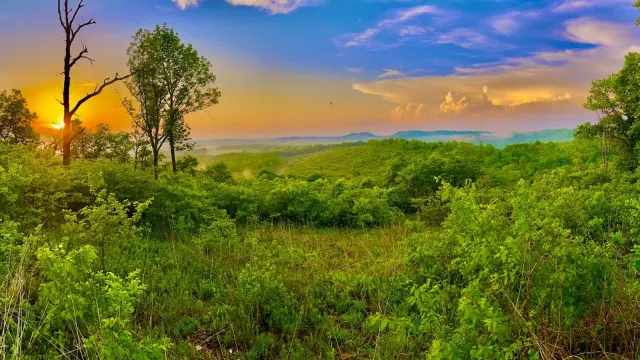
The numbers explain the calm. Mallorca pulled in 13.5 million visitors in 2025 and Ibiza and Formentera 3.7 million combined; Menorca got just 1.7 million. Strict limits on high-rise development have kept the island rural, and its protected waters are full of marine life — locals say spring, when wildflowers blanket the countryside, is the prettiest season, though the writer visited in September and found it busier than expected. The secret, it seems, is out.
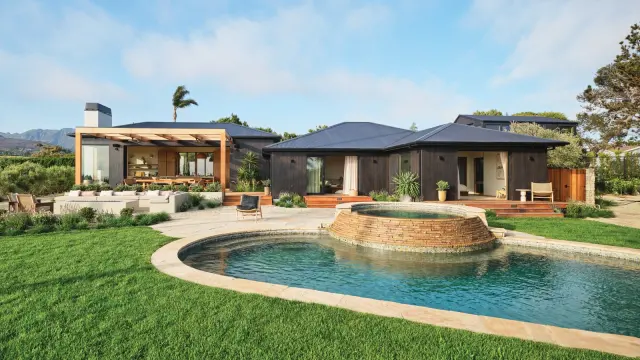
What's drawing the new crowd is a wave of small, characterful places to stay. Menorca Experimental, opened in 2023 by the group behind Cowley Manor, occupies a 19th-century finca with 34 rooms and a spa. Amagatay in the south and Morvedra Nou in the north are farmstead conversions where olive oil, fruit and vegetables are grown for the restaurants. The Vestige Collection has restored abandoned manor houses into sustainability-focused hotels, including the newly opened Binidufà. Don't expect big-resort spas: the pitch here is slow living — bikes, hikes, horse riding, and reading under olive trees.
The island rewards the unhurried. The Camí de Cavalls, a 185km coastal trail, links coves you can't reach by car; the stretch between Cala en Turqueta and Macarella passes through pine forest with barely a soul on it. Food-wise, look for the local olive oil, nine artisanal wineries (vines here date to Roman times, with protected status since 2002 — check for PGI on the label), and restaurants like Bodegas Binifadet for tastings, Nonna Bazaar for the buzz, and Coral on the north coast for sunset over the rocks. Even the beach bars are low-key: Bucaneros at Playa de Binibeca is a 1960s fishing hut with a red door, and Bar Som Sis at Cala Binidalí serves seafood from a hilltop.
Culture comes in two flavours. Ciutadella, the old capital, has medieval streets shaped by Roman, Islamic and Christian rule, plus a lively food market scene. Mahón, the current capital and a former British naval base, has an international gallery scene and a Hauser & Wirth outpost on Illa del Rei, housed in a restored 18th-century naval hospital.
Getting there is easy: EasyJet, Jet2, Ryanair, British Airways and Tui all fly to Mahón from UK airports, with fares from about £38. The airport is 15 minutes from the capital and 44 from Ciutadella; a three-day car hire cost the writer €220. For anyone priced out of or simply tired of Mallorca and Ibiza, Menorca offers the same sea and sunshine with the volume turned down — for now. Source: The Independent Travel