A war of words between Elon Musk and Delta's chief executive has put in-flight Wi-Fi back in the headlines — and the outcome will affect what kind of internet you get at 35,000 feet on America's biggest airlines.
It started when Delta CEO Ed Bastian reportedly told staff at a company event that the airline rejected Starlink for one simple reason: "we do not want to be with Elon Musk." He is also said to have added, "if you know his reputation, it's all true what they say about him." Musk's response on X was blunt — predicting Bastian "will lose his job over this."
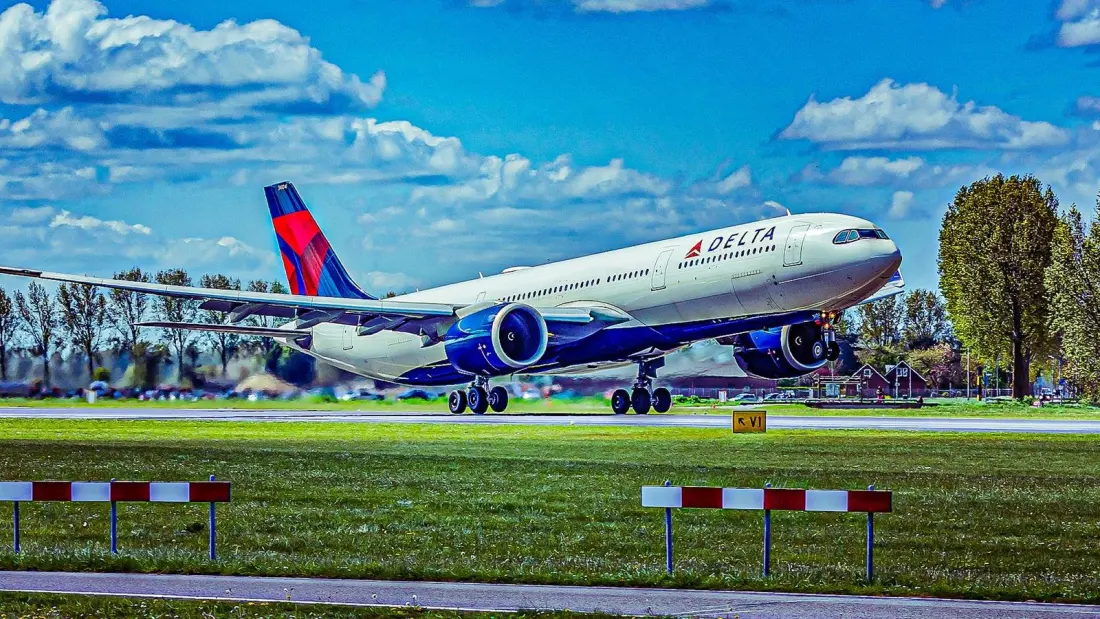
The spat has been brewing since March, when Delta picked Amazon Leo (formerly Project Kuiper) over SpaceX's Starlink for its next-generation connectivity, with installations on an initial 500 aircraft not starting until 2028. Bastian argues the choice makes sense: Delta already runs nearly 600 applications on Amazon Web Services, and it sees perks in Prime Video, gaming tech and the Delta Sync portal. He has also claimed Amazon's product will come in at a "much lower price point" than Starlink. During negotiations, Delta reportedly insisted passengers use its own portal to connect — something Musk publicly balked at.
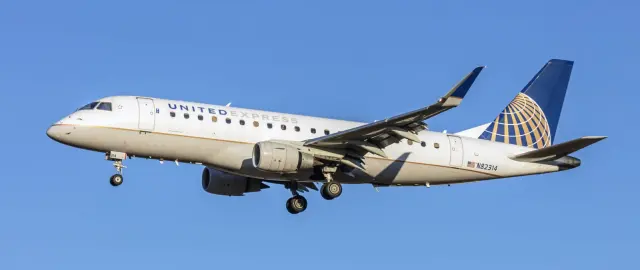
Meanwhile, Starlink's footprint in the skies keeps growing. United has already equipped more than 600 aircraft and wants over 1,000 by the end of 2026, claiming passenger satisfaction with Wi-Fi on those planes is more than double that of its other connected aircraft. American has a deal covering 500 narrowbodies from early 2027, while Alaska, Hawaiian and Southwest already offer it. Globally, more than 20 airlines carry Starlink, backed by a constellation of over 10,000 satellites. Amazon Leo, by contrast, had roughly 400 satellites in orbit as of July — JetBlue is the only other US carrier signed up, targeting 2027.
Musk has leaned on that gap, warning Delta will "lose a lot of customers" and be left years behind its rivals. Whether or not that prediction lands, travellers booking transatlantic or domestic US flights in the next couple of years will notice the difference: fly United, American or Southwest and fast, low-cost satellite Wi-Fi is increasingly standard; fly Delta and you'll be waiting until at least 2028 for Leo to arrive.
For frequent flyers, this is less about corporate egos and more about practical choices. If reliable onboard internet matters to your booking — for work, streaming or simply staying sane on a long haul — the airline's connectivity partner is becoming a real differentiator, and Delta's bet on a delayed network is a gamble worth watching.