Oslo's city government wants to introduce a cruise passenger levy of up to NOK 100 per person from 2027, which would raise an estimated NOK 40 million a year for the Norwegian capital. The money would go towards the things day-trippers use but rarely pay for directly: public toilets, street cleaning and the upkeep of parks and paths worn down by crowds.
The plan piggybacks on a national law passed in 2025 that came into force on July 1, 2026. It lets municipalities under heavy tourist pressure charge a 3% visitor contribution on accommodation from 2027, and — separately — a maximum of NOK 100 per cruise passenger for every commenced 24-hour period a ship spends in port or puts passengers ashore. The cruise regulations still need to clear the final steps, so the timetable could shift, but the government hopes collection could begin in the first half of 2027.
Cruise visitors won't queue up at the quay to pay. The ship's owner, operator and agent would be jointly liable, with lines free to fold the cost into fares. A standard daytime call under 24 hours would trigger one NOK 100 charge per passenger; a ship staying beyond that — relevant given the rise in overnight Norwegian itineraries — could incur a second.
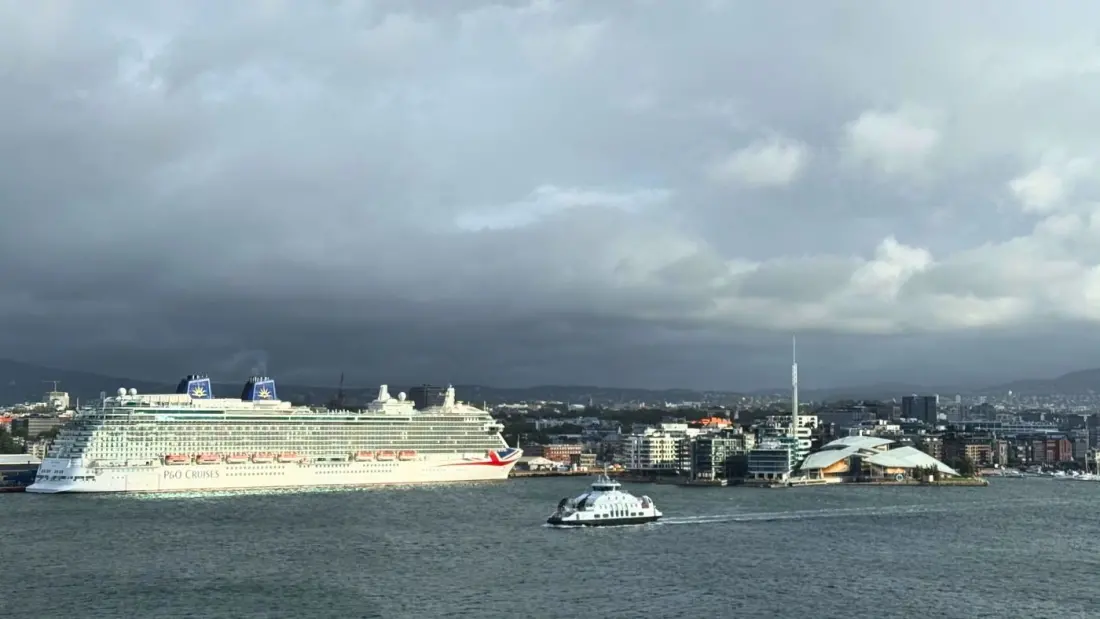
Why Oslo, specifically? Cruise traffic there is booming relative to its size. The Port of Oslo recorded 331,241 cruise passengers in 2025, up roughly 26% year on year, and the first quarter of 2026 alone brought 73,051 passengers on 23 calls — nearly double the same period a year earlier. Ships use two terminals: Revierkaia near the city centre (already equipped with shore power) and Filipstad by the Tjuvholmen waterfront, where shore power is being installed in 2026. Both put visitors within easy walking distance of the city's main sights.
Not everyone in Norway is sold on the rate. Vestland county, home to the busiest fjord cruise ports, backed the principle of a levy but warned that NOK 100 per head is too steep and could push cruise lines to alternative destinations. The national government calls the amount moderate, arguing visitors should chip in for the infrastructure they use. Any municipality adopting the charge must also publish a plan showing exactly how revenue will be spent on tourism-related public goods and consult affected businesses.
For cruisers, the practical takeaway is modest: expect a small fee baked into your fare rather than anything paid on arrival, and don't be surprised if similar levies appear in other Norwegian ports. For anyone planning a Norwegian cruise from 2027, the bigger picture is that ports are starting to price in tourism's wear and tear — and shore power at both Oslo terminals signals a broader push to clean up cruise operations too. If you're sailing to Oslo, both berths drop you right by the Opera House, the waterfront promenade and Aker Brygge, so the city remains an easy, walkable port call.