Radio spectrum is one of those invisible things nobody thinks about until it fails. This week in Geneva, the UN's telecommunications and weather agencies issued a joint warning: the specific frequency bands used to observe Earth's weather, oceans and climate are increasingly at risk of interference from expanding wireless and satellite services, and governments need to protect them.
The stakes are higher than they might sound. Weather radars, satellite sensors, lightning detection networks, aircraft and marine observation systems and hydrological monitoring all depend on particular bands of the radio spectrum. These sensors work by picking up extremely faint natural signals — as World Meteorological Organization chief Celeste Saulo explained, a storm reveals itself through the natural signals it emits and the echoes of signals sent toward it, a relationship tied to the physical size of water droplets and ice crystals in clouds. No other frequencies can do this job. If they get crowded out or noisy, measurements degrade, data becomes patchy, and forecasts and early warnings lose reliability.
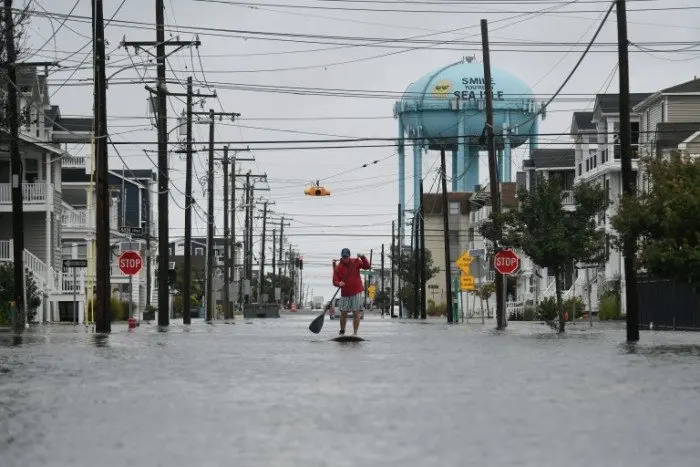
ITU head Doreen Bogdan-Martin made the point vividly at Monday's event: satellites were at that very moment measuring changes in the oceans and atmosphere, and radars were tracking storms as they developed — including the Nor'easter that had just hammered the densely populated US Northeast, cutting power to thousands and killing at least one person. Her argument was blunt: interference-free spectrum keeps forecasts accurate, alerts timely and climate data trustworthy. Preventing harmful radio interference, she said, is a matter of public safety that can save lives.
The concern is driven by simple competition for a finite resource. As wireless networks multiply and satellite constellations proliferate, more services are pushing into bands that meteorological systems have long relied on. The ITU and WMO, meeting together in Geneva this week, are urging national regulators to safeguard access to the frequencies meteorology depends on.
For travellers, this is the quiet infrastructure behind the forecasts you check before a flight, the storm warnings that close airports, and the flood and hurricane alerts that give communities time to act. A degraded signal on the other side of the world could eventually mean a less reliable forecast wherever you happen to be. Worth knowing next time a weather app nails a storm's landfall — that accuracy exists because the spectrum stayed clean.