Panama has decided to stop being just a layover. The Central American country has rolled out free tourist insurance for eligible international visitors, kicking in automatically for the first 10 days of a trip — no sign-up forms, no extra fees, nothing to buy at the airport.
The coverage, funded by the state through the Panama Tourism Authority, is more substantial than you might expect. It includes hospitalization and medical expenses up to $15,000, medical transport within Panama up to $10,000, and medical repatriation back home up to $50,000. Emergency dental care and other assistance services are also covered. Eligible travelers arriving through participating airports are enrolled simply by entering the country.
Tourism Minister Gloria De León framed the move as a promise that visitors feel supported from the moment they land, describing it as part of Panama's push to offer a safe, reliable and high-quality experience without added paperwork.
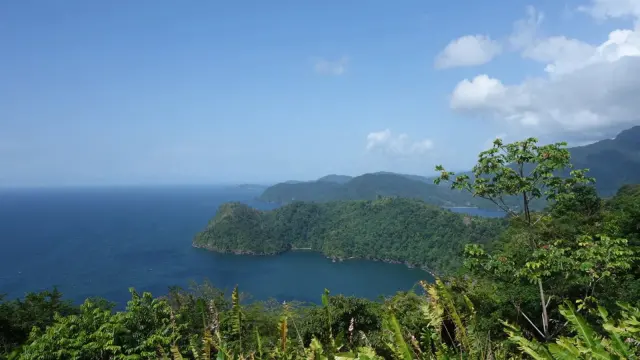
The strategy is clear: Panama has long been a place people pass through, thanks to Tocumen Airport's role as a regional hub and the Panama Canal's fame. Now the government wants those same travelers to add a few days — or more — to actually explore. And there's plenty to fill that time: the colonial streets and rooftop bars of Casco Viejo in Panama City, Caribbean-side Bocas del Toro, the cloud forests of Boquete, and easy access to both Pacific and Caribbean beaches from a single base.
For travelers, the practical upside is real. Medical care abroad can get expensive fast, and standard health insurance often doesn't travel well. Ten days of automatic coverage means you can arrive, decide how long to stay, and sort out extended travel insurance later if you plan to linger beyond the initial window. Just note that once you pass day 10, you're on your own — anyone staying two weeks or more should still arrange their own policy for the remainder of the trip.
It's also a signal of where Panama is heading as a destination: less a canal pit stop, more a proper holiday in its own right. If you've only ever seen it from an airport window, this lowers the barrier to finally stopping off.