Hawaiʻi has put its history on the calendar in writing. Under Act 167, signed in 2025, September is now formally designated Hawaiian History Month — but the celebration itself isn't new. The Hawaiʻi Ponoʻī Coalition, founded in 2007, has been running the program annually since 2020, and this year the legislative nod gives it extra weight.
The month is anchored to the birthday of Queen Liliʻuokalani, born 2 September 1838. She was the last reigning monarch of the Hawaiian Kingdom, a defender of Hawaiian sovereignty, a composer of real talent, and a champion of education. Her story — and the broader story of the kingdom's 1893 overthrow — is the emotional core of the month, and it reframes how you see the Islands: not just beaches and resorts, but a nation with a diplomatic corps, a written constitution and a monarchy cut short.
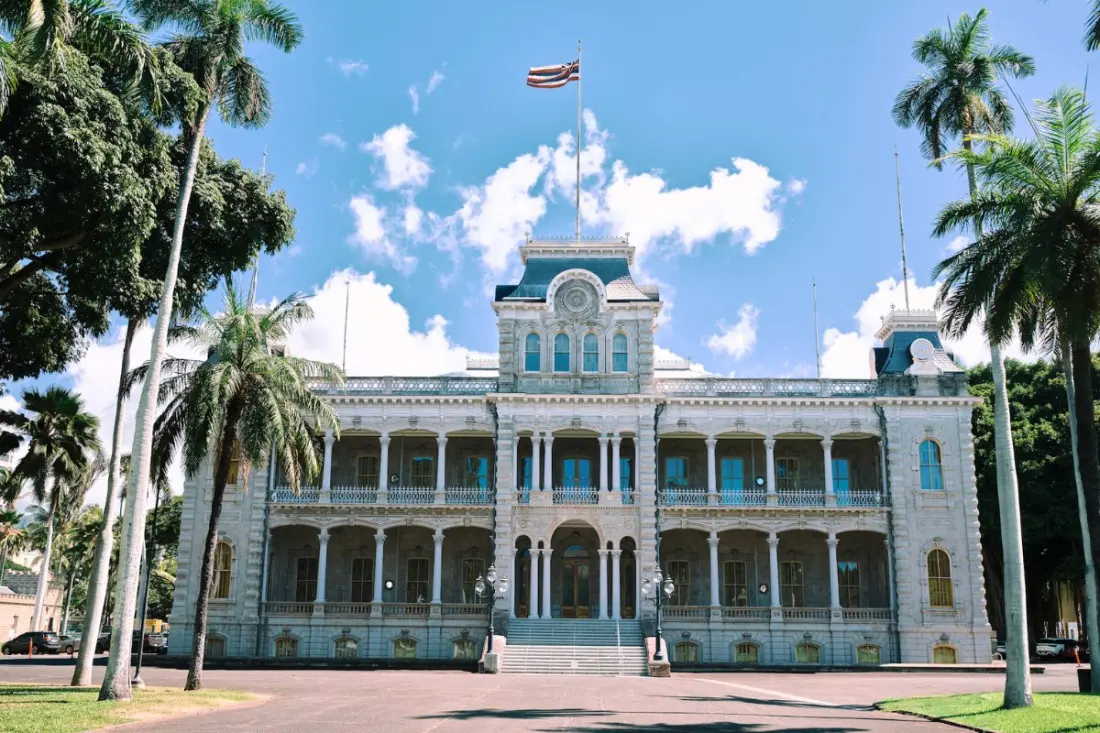
The lineup for the month is genuinely appealing for travellers, and much of it is free. At ʻIolani Palace in Honolulu — the only royal palace on US soil — there are free tours plus a Memory Walk, and the Mai Poina: The Overthrow walking tours, a dramatic recreation of the 1893 events written by playwright Victoria Nalani Kneubuhl. The King Kamehameha V Judiciary History Center hosts a student film showcase, while panels like Native Hawaiians Abroad: Aliʻi Diplomatic Missions dig into Hawaiian Kingdom diplomacy in Washington, D.C.
Beyond Honolulu, the program stretches across the Islands: Hoʻōla sessions on the history of Hawaiian health, a look at the legacy of Kahoʻolawe island, a living history performance called The Beginning of a Garden at Foster Botanical Garden, and in-person experiences on Hawaiʻi Island in Hilo and Waimea. Some events are virtual too, so you can preview before you fly.
Why should this matter for your trip? Because September already tends to be a smart month to visit Hawaiʻi — shoulder season means fewer crowds and softer prices — and Hawaiian History Month adds depth you won't get from a luau alone. Walking the palace grounds where the queen was imprisoned, or hearing mele (song) performed in context, changes the place you're standing in. If you're the kind of traveller who wants more than a beach chair, time your trip for early September and build a day or two around these events. Check the schedule at hawaiiponoi.info ahead of time, as some sessions require registration and the live history performances can fill up.
It's also a respectful way to travel: engaging with Native Hawaiian history on Native Hawaiian terms, in spaces where the community is telling its own story. That's a rare and worthwhile thing to build into a holiday.