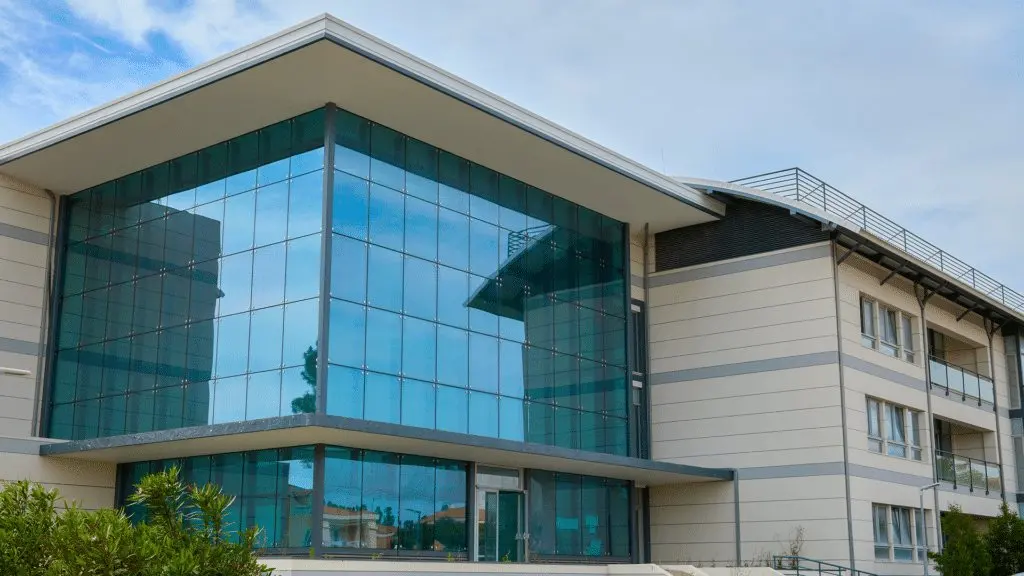
Hospital Lusíadas Beloura opened its doors this month, a €40 million private hospital serving Sintra, Cascais and the surrounding suburbs on Lisbon's western edge. It was formally inaugurated on September 21 by Health Minister Ana Paula Martins, though it has been treating patients since early September.
The timing is no accident. This is one of the most densely populated corners of Greater Lisbon, and the new unit is Lusíadas Saúde's eighth in the region. The group, owned by France's Vivalto Santé, now runs 17 healthcare units across Portugal — 12 hospitals and five clinics — from Braga in the north to Vilamoura in the Algarve.
The Beloura building packs a lot into 9,500 square metres across four floors: 41 consultation rooms, 18 examination rooms, two operating theatres plus a minor surgery room, dental rooms and 27 inpatient beds. The hospital says it can handle over 100,000 consultations and 4,000 surgeries a year, alongside walk-in care and diagnostics, and expects to employ around 500 people. It will coordinate with the group's other hospitals and clinics across Greater Lisbon rather than operate in isolation.
One service worth flagging for longer-stay visitors and expats: a Prevention and Longevity Consultation, which takes a broad look at a patient's health and builds a personalised plan around prevention and healthy ageing. Portuguese actor Joaquim de Almeida, the hospital's new ambassador, was on hand at the opening and hinted at a forthcoming health and wellbeing initiative with the group.
Lusíadas isn't stopping here. A €60 million hospital is under construction in Faro, in the Algarve, due to open by the end of 2027 with five operating theatres, 35 consultation rooms, 28 inpatient rooms, intensive care and round-the-clock urgent care for adults and children. The group frames it as a way to narrow the gap in specialist care access outside the capital.
Why does a hospital opening matter to travellers? Anyone planning an extended stay in the Sintra-Cascais area — digital nomads, snowbirds, retirees renting for a season — will find private healthcare here faster and easier to access than the public system, which can involve long waits for non-urgent specialists. Knowing where the nearest modern private hospital is, and that English-friendly private care in Portugal is relatively affordable by European standards, is genuinely useful trip planning. Sintra itself remains one of the most visited day trips from Lisbon, famous for the Pena Palace and Moorish Castle, and the wider area is popular for longer rural and coastal stays.
For Portuguese residents, the investment adds capacity and jobs to a fast-growing corridor. For visitors, it's simply reassurance that one of Portugal's most beautiful regions now has even better medical backup.