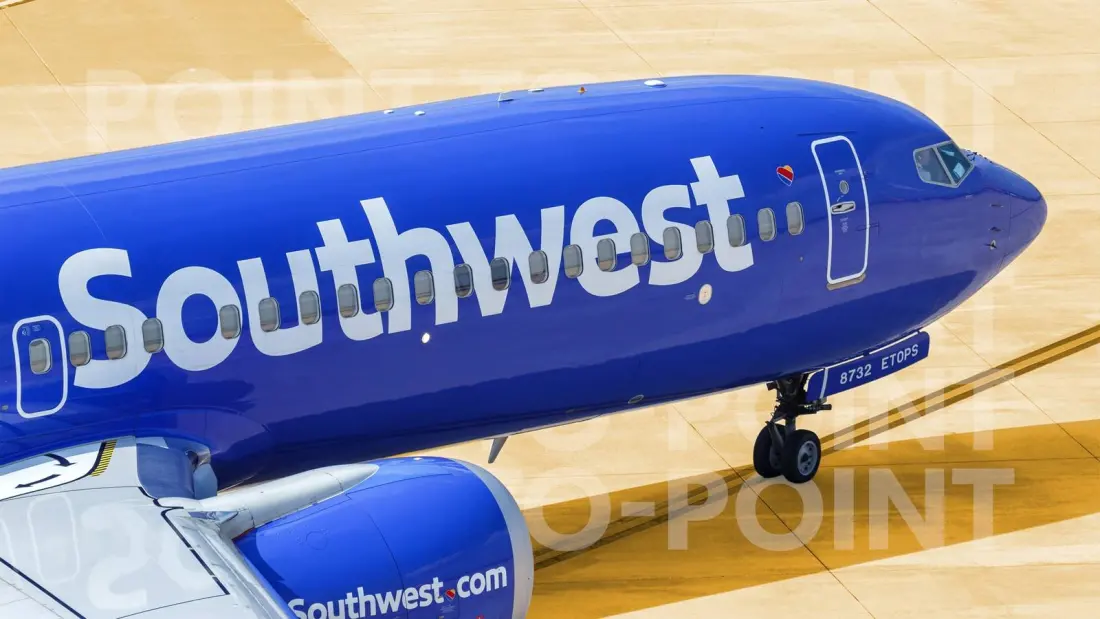
For five decades, Southwest Airlines built its name on one simple promise: fly direct from A to B without a connection, keep it cheap, and turn the plane around fast. That model is now being reworked. The Dallas-based carrier — still the world's largest low-cost airline — is shifting toward a hybrid network that leans on connections through its busiest airports, a move that puts it closer to the legacy carriers it once undercut.
Why change what worked? Costs are the blunt answer. Labour expenses and jet fuel prices have climbed, the US market is saturated with competing point-to-point routes, and Southwest executives have said the current network structure can't deliver growth. International expansion is also on the table, and filling seats on longer routes requires feeding passengers through connections — something a pure point-to-point model simply can't do.
Southwest is careful with its language, avoiding the word 'hub' in favour of 'high-density stations'. Whatever you call them, the biggest airports will carry the load: Dallas Love Field with over 200 daily departures, Denver with more than 180, and Baltimore/Washington with over 150. In total, the airline runs up to 4,000 daily flights across its top 18 airports, with 13 hub cities including Atlanta, Chicago Midway, Las Vegas, Houston Hobby, Phoenix, Nashville, Orlando and Tampa.
The trade-offs cut both ways. Point-to-point flying means fewer delays rippling across a network, quicker turnarounds (sometimes as short as 30 minutes), fewer lost bags and lower costs. Hub-and-spoke, as used by Delta in Atlanta or Emirates in Dubai, lets an airline fill planes by combining connecting passengers and serve far more destinations with fewer aircraft. Southwest wants the best of both worlds — keeping the popular direct routes while adding one-stop options to new and longer markets.
For travellers, the practical impact depends on where you live. Big-city flyers should see more flights and more one-stop options, including eventual international routes beyond the Caribbean and Latin America. But if you're on a smaller spoke route, some direct flights may be consolidated, and connections — with the baggage transfers and layovers that come with them — will become a bigger part of the Southwest experience. It's a real identity shift: the airline is also dropping free checked bags and chasing more premium and business traffic, edging away from the no-frills formula that made it famous. Watch this space, because after 50 years of doing things its own way, Southwest is betting that connectivity, not just cheap direct flights, is what keeps it competitive in US skies.
Story first reported by Simple Flying.