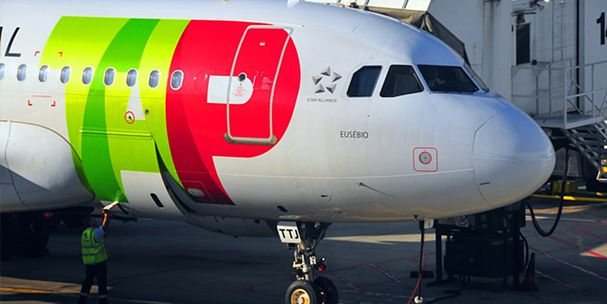
A TAP Air Portugal flight to Paris made an emergency return to Lisbon last month after a foul smell filled the cabin and left several crew members unwell. The Airbus A320 took off at 08:05 on 21 September, and about 40 minutes into the flight — at roughly 2.4 kilometres of altitude — crews noticed an unusual odour, first described as like rotten fish and later compared to burnt cheese. The decision was made to abort the flight and head back to Humberto Delgado Airport in Lisbon.
According to a report filed with Portugal's Office for the Prevention and Investigation of Air and Rail Accidents (GPIAAF), the pilots donned oxygen masks, and multiple cabin crew members reported dizziness, nausea, tremors and impaired cognitive function. The symptoms are considered consistent with possible exposure to contaminants in the aircraft's ventilation system. Notably, no passengers reported feeling ill.
The story has a more worrying epilogue: hours after returning home, one cabin crew member lost consciousness and was hospitalised for further checks. All crew had already been sent for medical assessment at the airline's facility after landing.
This is not an isolated case. Reports of noxious smells on TAP Airbuses have cropped up since 2019, with earlier incidents describing odours reminiscent of sweaty socks, manure and farmyard stench, invariably paired with nausea and mental confusion among crew. Aviation specialists have traced similar 'fume events' across the industry for around two decades — they are linked to contaminated air entering the cabin through the ventilation system, and in severe cases have been associated with serious neurological harm. The concern is serious enough that a swift emergency landing is considered the correct response.
For anyone flying TAP, the practical takeaway is modest but worth knowing: these events remain rare, passengers were unaffected in this instance, and the crew's quick decision to turn back is exactly the procedure you'd want followed. If you ever notice a sharp, unusual smell on board — described by affected crews as anything from fish to burnt cheese — report it to cabin staff immediately and follow their instructions; early reporting is part of how these incidents are caught and investigated.