
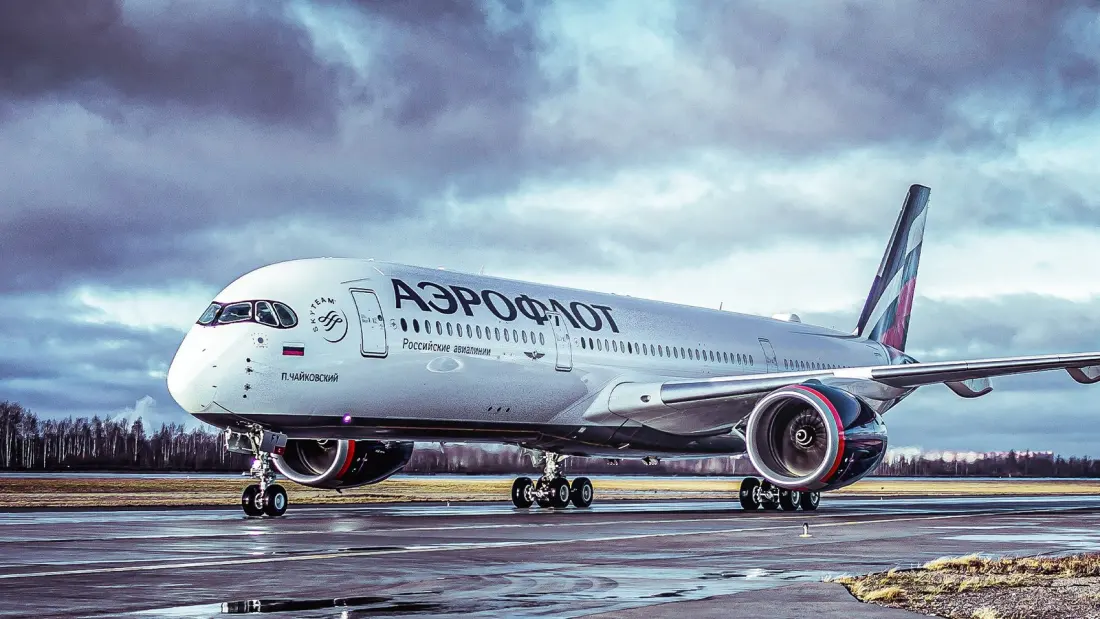
Russian aviation is having its most disruptive period since the 2022 invasion, and the numbers are stark. Aviation-security firm Osprey Flight Solutions logged 993 temporary airport shutdown events in Russia in August alone — roughly 32 per day, more than six times the 2025 daily average. Osprey also estimates around 16,000 Ukrainian drones entered Russian airspace that month, while the Associated Press reports more than 43,000 drones were intercepted over Russia and occupied Crimea during the summer, nearly six times the previous summer's count.
The trajectory matters as much as the raw figures. All of 2025 saw 1,923 shutdown events, an average of 5.3 per day. That rate nearly doubled in the first five months of 2026, doubled again in June and July, then hit 32 a day in August. By the end of August, 2026's total had reached 3,626 events — almost twice last year's full-year figure — and the disruption has carried on into September. On September 1, all four Moscow airports (Sheremetyevo, Domodedovo, Vnukovo and Zhukovsky) shut after drones were intercepted, with about 60 flights cancelled or delayed. Reuters has since described Moscow's airports as the world's most disrupted.
Sochi is the single most affected airport, with 132 shutdown episodes in a rolling 90-day window, followed by Gelendzhik, Kaluga — where closures now average over ten hours — Saratov and Krasnodar. A growing belt of Volga-region cities including Kazan, Samara and Penza is also repeatedly hit. When several airports close together, airlines lose diversion options and larger airspace chunks must be shut, making recovery slow and expensive.
There's a clear strategy here. Kyiv doesn't need to damage infrastructure: drones near an airport trigger precautionary closures, and even short shutdowns ripple through schedules for days. President Zelensky has openly warned airlines and insurers that Russian airspace is becoming unsafe and 'will effectively be closing', and Ukraine has asked ICAO to push countries to halt civilian flights through Russia. Notably, the targeting is selective: Domodedovo and Vnukovo, which host the most foreign carriers — Emirates, Ethiopian, Turkish Airlines, Uzbekistan Airways among them — are restricted far more often than Aeroflot's hub Sheremetyevo. The goal is to make flying into Russia commercially untenable and squeeze the Russian economy.
For now, foreign carriers haven't left. Uzbekistan Airways, Turkish Airlines, flydubai and others still operate extensive Russian networks, and Moscow says no airline has notified it of schedule cuts. But anyone booked on, or considering, a flight through Russia — whether a Gulf or Turkish connection or a domestic Russian itinerary — should expect repeated delays, diversions and cancellations with little warning, and should monitor whether insurers and carriers begin withdrawing as pressure builds.