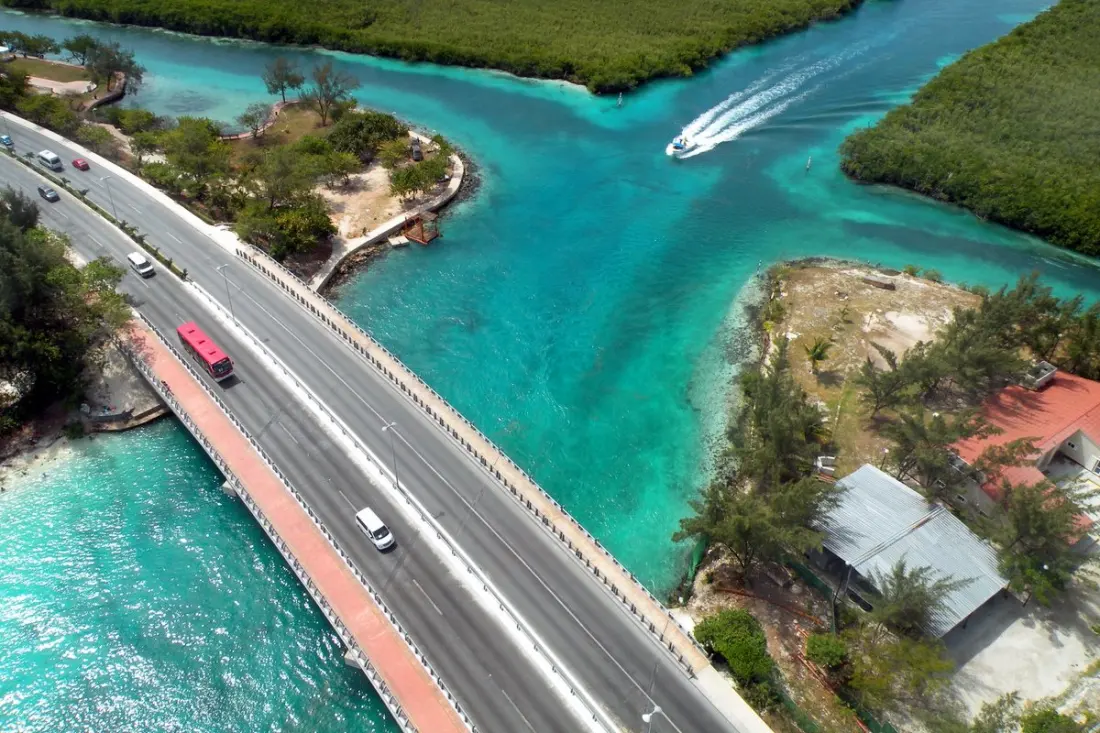
Thinking of bringing your own car to Mexico, or buying one there? A detailed cost breakdown from Mexperience shows that the price of the vehicle is only the start — taxes, insurance, servicing and even parking can add up in ways that surprise newcomers.
First, the paperwork. If you drive in on US or Canadian plates, you'll need a Temporary Import Permit, and you can only keep a foreign-plated car in Mexico while you're a visitor or temporary resident. Permanent residents are out of luck outside the designated 'free zones' near the northern and southern borders. A permanent import is possible but involves a customs agent, import duties and a convoluted process — not every vehicle qualifies. For many, buying locally from a dealer or a personal referral is the simpler route.
Then come the taxes. Every Mexican-plated car pays a plate ('Derechos') fee, and plate changes — typically MXN$2,500 to MXN$5,000 — happen on a rotating schedule rather than every year. Several states also levy an annual 'Tenencia' tax, calculated as a percentage of the car's current market value, with exemptions for cheaper vehicles and relief for depreciation. Older vehicles face periodic emissions testing too, a familiar routine for anyone who has driven around Mexico City.
Insurance is the big one to get right. Third-party liability cover is compulsory in Mexico, and critically, your home-country policy cannot cover it by law. If you cause an accident involving injury, the police may hold everyone until blame and damages are sorted — so driving uninsured carries serious personal financial risk. Foreign-plated cars need Mexican top-up insurance; Mexican-plated cars can be insured via banks, brokers or online portals, with prices varying by vehicle, age and location.
Day-to-day running costs are relatively modest. Fuel prices have been deregulated since November 2017, so stations compete locally. Annual servicing at a branded dealership for a popular mid-sized car (Nissan, Volkswagen, Toyota, Kia, Mazda and Ford dominate the market) runs about MXN$10,000–15,000; it's worth quoting two or three dealers, since they're independently run franchises. Older cars can go to local workshops for less — but get a referral, as warranty quality varies. Luxury brands like BMW or Audi cost noticeably more to maintain.
Budget for the extras as well: toll roads (drivers overwhelmingly prefer the 'autopistas' over free federal highways for speed and safety, and fees keep rising), mall and supermarket parking at roughly MXN$10–50 an hour, secure overnight 'pensión' parking at MXN$1,500–2,500 a month in bigger cities, and car washes from MXN$100 for a basic clean to MXN$1,000 for a full SUV valet. Speed cameras and meter clamps are increasingly common in major cities, and unpaid fines can block your emissions test and re-plating.
For road-trippers planning an extended Mexican drive, or expats weighing whether a car earns its keep, the takeaway is simple: factor in the full cost stack before you commit.