Planning a long stay in Mexico — a winter stretch, a remote-work season, or a full relocation? Rent is only half the equation. The other half is the stack of bills that keeps the lights on and the wifi running, and those numbers are worth knowing before you sign a lease.
Electricity in Mexico is billed every two months, not monthly, and the state utility CFE is famously quick to cut supply if you pay late — newer electronic meters can even be disconnected remotely. Residential rates are published on CFE's website under the "Domesticas – 1" category, so you can check current tariffs for your area before you commit to a place.
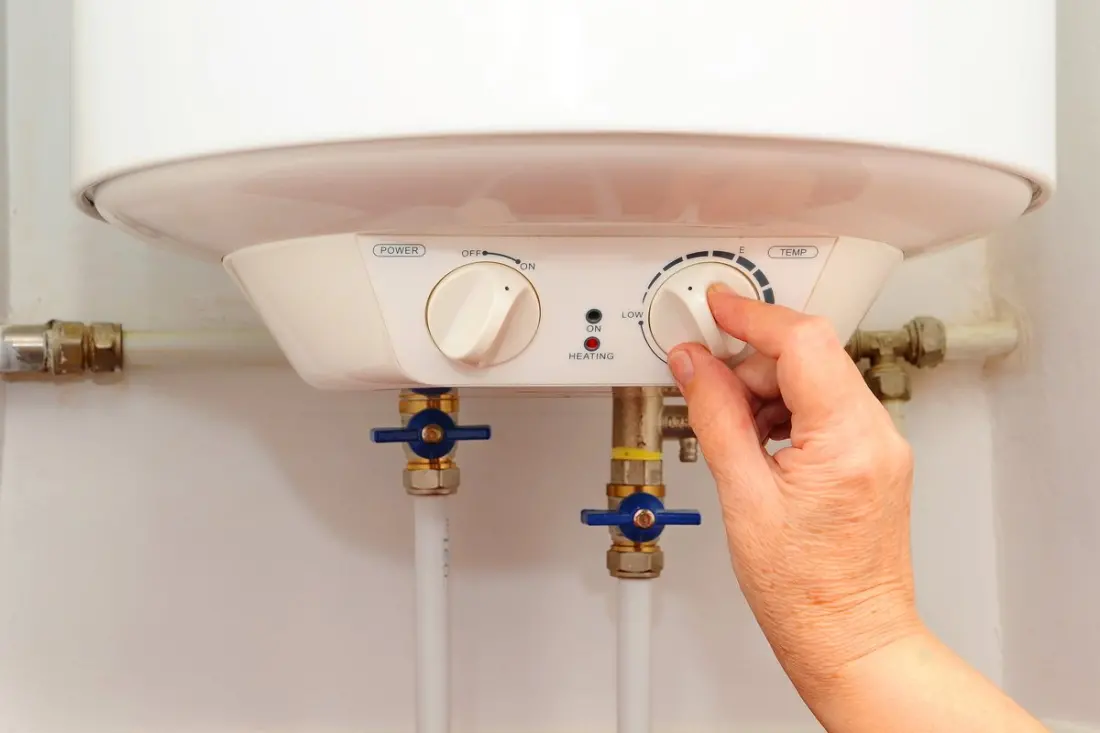
Gas works differently depending on where you live. Bigger cities may have mains-fed natural gas, but most homes run on LP gas (a propane-butane mix). It either arrives as swap-out portable tanks — the standard size is 30kg, roughly 55 litres — or gets pumped from a truck into a stationary tank on the roof or outside the property. Official regional price tables list rates per litre and per kilo.
Water supply depends heavily on the neighbourhood. Mains-fed homes should budget around 500 pesos a month; communal spring-fed systems typically cost 500–1,000 pesos monthly, sometimes as an annual fee; and in areas served by water trucks, expect roughly 800–1,000 pesos per 10,000-litre delivery. Most residents also filter tap water or buy 20-litre bottles of purified water rather than drinking it straight from the tap.
Staying connected is reasonably affordable. Fixed-line packages bundling home phone (with calls across Mexico and most international destinations) plus unlimited high-speed internet start around 400 pesos a month, climbing past 1,000 pesos if you want faster speeds or bundled cable TV. Major players include Telmex and Izzi, with AT&T also in the mix. On mobile, contracts start near 200 pesos a month, while prepay top-ups run 50–500 pesos — and plans typically include calls to the US and Canada, handy for North American nomads. Telcel and Movistar dominate mobile, and if you end up somewhere rural, satellite internet from Starlink, HughesNet or ViaSat can fill the gap. For TV, Sky and Izzi cover satellite and cable, while Vix, Netflix and Amazon Prime handle streaming.
One last practical note: Mexico's national postal service has a mixed reputation — it does eventually deliver, but slowly, and it's more dependable in big cities than small towns. For anything urgent or valuable, use a courier. DHL, UPS, FedEx, Estafeta (the leading domestic operator) and MexPost all offer online booking and full tracking, and online retailers generally ship via traceable private couriers anyway.
Why does this matter? Because a 15,000-peso monthly rent can quietly become 19,000 with utilities and connectivity tacked on — or barely move if some services are included, which some rentals do offer. If you're comparing cities like Mexico City, Mérida or Oaxaca for an extended stay, run these numbers alongside rent to get a true cost picture. Budget-minded travellers staying a month or more will find Mexico's utility and telecom costs comfortably modest by US or European standards.
Story sourced from Mexperience.