A field in Bagaces, a quiet canton in Costa Rica's Guanacaste province, has become the centre of a dispute that says a lot about where the country is heading. On Saturday, residents gathered outside the municipal building to protest the proposed Palo Negro AI & HPC Campus, a large computing facility promoted by local energy firm COSFIN Energía. Their worries were straightforward: water, electricity, noise and the environmental toll of a project nobody seems able to explain to them.
The timing matters. Mayor Alonso González confirmed that no formal project documents have been submitted to the municipality yet, so this is a fight over a possibility, not a construction site. He rejected suggestions that local water resources were being negotiated away, and said the company is still studying whether the campus is even viable. Demonstrators, meanwhile, are demanding an open municipal session to get answers directly.
What COSFIN has put on the table so far reads well on paper. In a February promotional statement, the company outlined 120 megawatts of on-site renewable generation — 40 from wind, 80 from solar — plus battery storage and advanced cooling systems. Whether those plans translate into reality is another matter, and the reporting makes clear that no projected water consumption figures exist yet.
For locals, though, the sensitivity goes deeper than any single project. Bagaces has lived through arsenic contamination of its water supply and periods of dependence on tanker deliveries. That history explains why residents want hard numbers before anything moves forward, and why their demands have resonated beyond the canton.
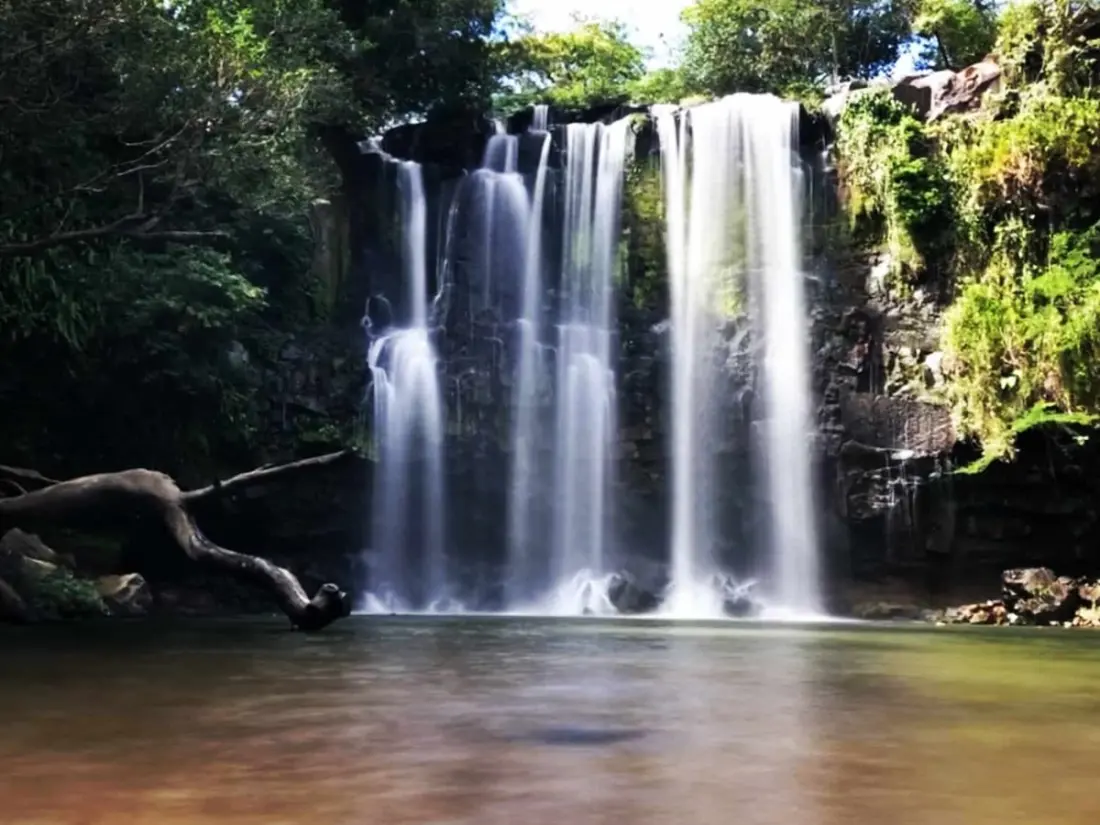
Why should travellers care? Guanacaste is one of Costa Rica's busiest tourism regions, with the Liberia airport gateway, dry-forest national parks and a string of beach towns drawing visitors year-round. Water stress is not an abstract issue here — it shapes everything from hotel operations to rural tap water. Bagaces itself sits near attractions like the Rincón de la Vieja area and the Río Celeste corridor, and the region's appeal depends heavily on the same resources this debate is about. Travellers with trips planned in the area shouldn't expect disruption from a project that hasn't been filed, but the story is a useful signal of the wider tension in Costa Rica between its green image, its ambitions in renewable-powered tech, and the limits of local water supply.
For now, the honest summary is this: a proposal exists, the paperwork doesn't, and a community with long memories is asking questions before the bulldozers arrive.