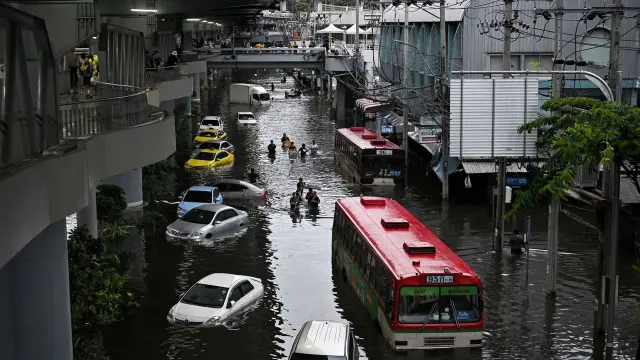
Heavy monsoon rain has thrown Bangkok's airports into disarray, with nearly 300 millimetres (about 12 inches) falling on the Thai capital in a relentless stretch of downpours from Thursday through the weekend. Both of the city's main gateways — Suvarnabhumi and Don Mueang — stayed open, but flooding on surrounding roads stopped some Thai Airways ground-handling staff from getting to work. The knock-on effect: departure delays and a growing pile of mishandled baggage.
The Thai Meteorological Department isn't offering much comfort, forecasting heavy rain across as much as 80% of the region in the week ahead. Floodwaters have been slowly receding in central Bangkok, but the city remains on alert.
The financial toll is substantial. A study from Rangsit University pegged Bangkok's losses at 10.6 billion baht — roughly $315 million — which accounts for more than 40% of the estimated 25.3 billion baht in nationwide damage from disrupted commerce, services and travel.
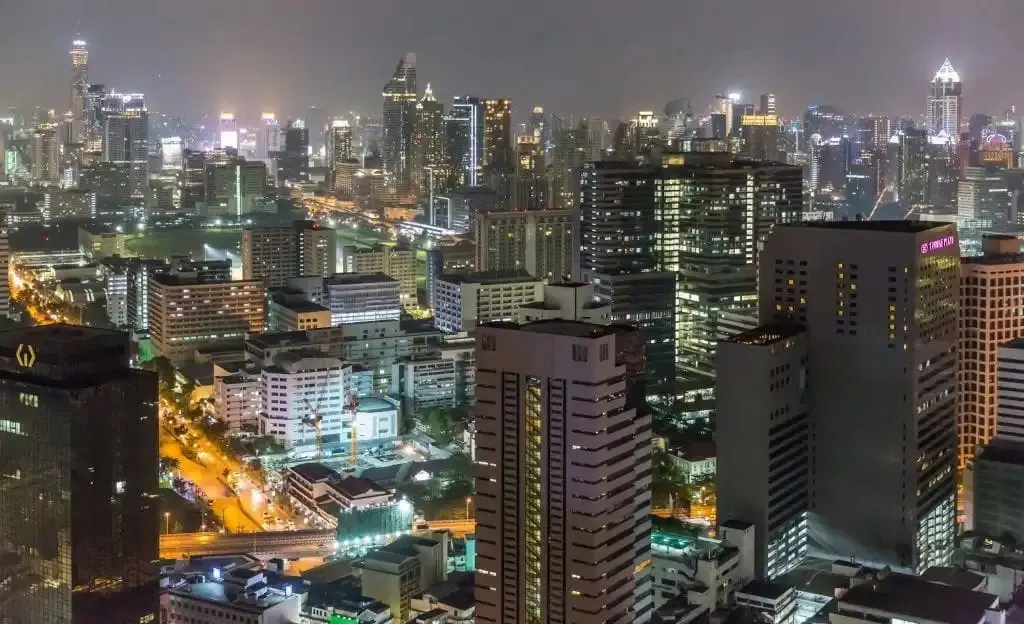
Interestingly, the hospitality side of the city has so far escaped lightly. Hotels report little impact on bookings, suggesting tourists are still arriving and sleeping soundly even as planes queue on the tarmac. Central Bangkok's elevated, well-drained hotel districts have historically fared better than outer suburbs and low-lying roads during monsoon events.
For travellers, the takeaway is practical rather than alarming. If you're flying into or out of Bangkok in the coming days, build extra time into your schedule, check your airline's status before heading to the airport, and keep essentials — medication, chargers, a change of clothes — in your carry-on in case checked bags are delayed. Allow generous time for airport transfers too, since surface flooding can turn a 40-minute taxi ride into a much longer affair.
If your trip is hotel-based in the city centre, there's currently no reason to cancel. The disruption is concentrated in aviation logistics and transport, not the tourist core. Travellers with connections onward to the islands or the north should watch for cascading delays and consider flexible or refundable fares until the forecast clears.
Monsoon-season disruption in Thailand isn't unusual, but the scale of the rainfall here — and the share of national losses landing on Bangkok — makes this a storm worth watching if you have a trip booked in the next week or two. Source: Skift