Nobody has to carry a satellite messenger on the Appalachian Trail — hikers finished the entire 2,190-mile route for decades before the devices existed. But a growing number of thru-hikers are packing one anyway, and the argument for it is more convincing than it first sounds.
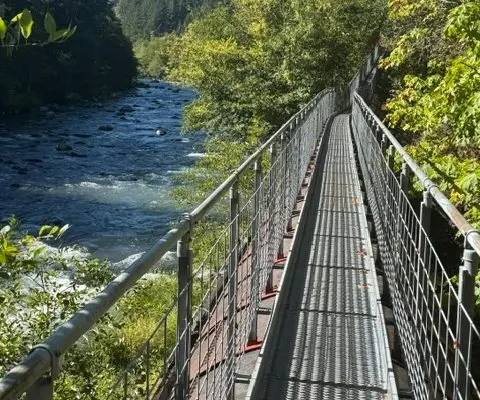
The AT has a reputation as a friendly, well-trodden path: regular road crossings, busy shelters, cell coverage for at least part of most days. In practice, though, that picture is rosier than reality. Long stretches pass without another hiker in sight. Some mapped road crossings turn out to be quiet, unmarked spots with no realistic chance of flagging down a car. Trail maintenance is uneven, dead zones in coverage are common, and it's easy to wander off route in poorly kept sections.
That doesn't make the trail dangerous — it's no riskier than comparable hikes, and far more accessible than most. The point is that self-reliance in an emergency is basic backpacking hygiene anywhere. A satellite messenger is insurance for the rare-but-serious scenario: a bad fall, a rough stream crossing, an injury with no phone signal and no one around.
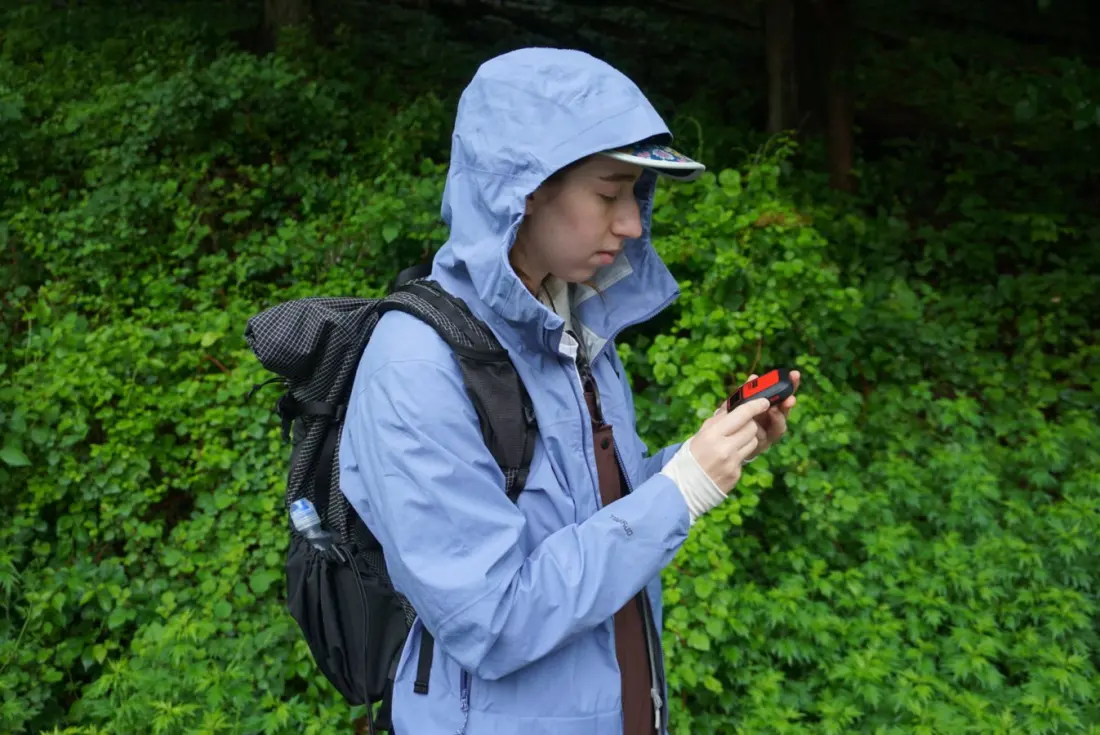
There's a second, softer benefit that experienced hikers mention constantly: the folks back home. Days of silence are hard on spouses and parents, and plenty of hikers carry a SPOT, Garmin, or Zoleo at a loved one's request. Modern units do more than fire off SOS alerts. They handle casual two-way texting, offer weather forecasts, and include basic navigation. For anyone torn between staying in touch and unplugging, satellite messaging is a decent middle ground — messages go through, but without the pull of full smartphone connectivity.
What about newer iPhones with built-in satellite messaging? The author of the piece, who hikes with a Zoleo, still prefers a dedicated unit for three reasons. First, ruggedness: these devices survive drops, rain, and abuse far better than a phone, which matters precisely in the emergencies you'd need them for. Second, battery life measured in days rather than hours. Third, keeping your phone's charge free for photos, music, and navigation instead of burning it on safety duty.
So the honest answer to the question is: no, you don't need one. Most hikers will never use the SOS function and will finish their hike fine without it. But the cost is modest compared to the total price of a thru-hike, the weight penalty is a few ounces, and the payoff — a way to reach help when things genuinely go wrong, plus reassurance for family — is hard to put a price on. Anyone budgeting for a long hike may want to fold one into the gear list from the start rather than regret its absence somewhere in the Virginia wilderness.