
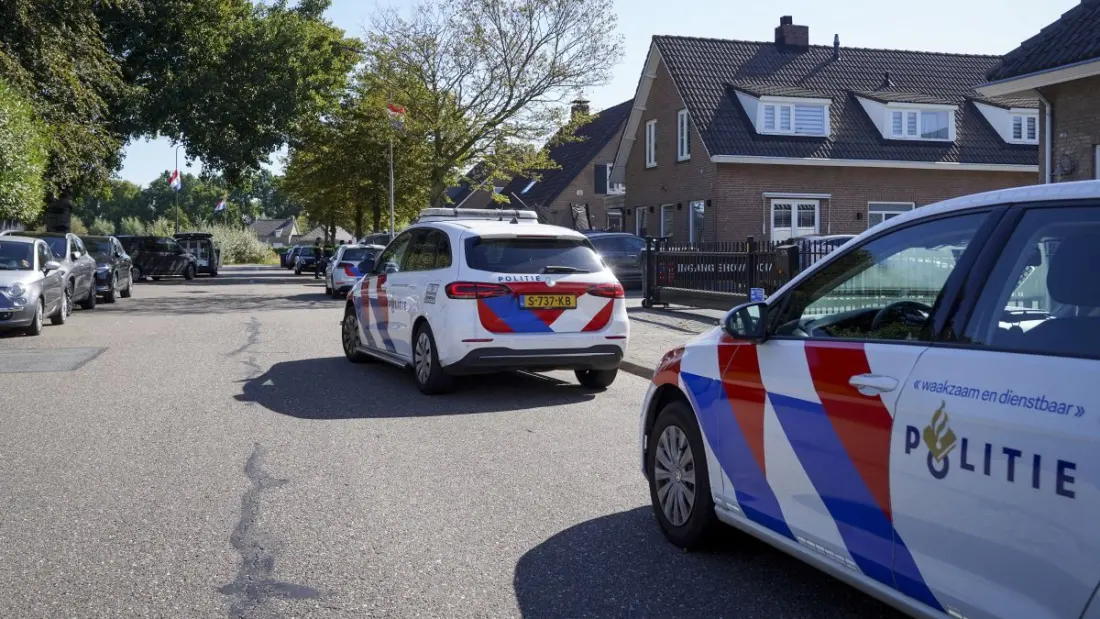
The Tawfieq mosque in Schelle, a small town in Belgium's Antwerp province, has been spray-painted with anti-Islam graffiti twice in the space of ten days, according to local broadcaster VRT. The second attack, reported on 15 September, saw the same slogan painted across the full width of the building's facade. The first incident, on 5 September, included swastikas and, according to reports, dog excrement left near the entrance.
Muslim Rights Watch Belgium, an organisation monitoring incidents against Muslim communities, has called for stronger protection of places of worship. Its chairman, Mohamed Amin Chaib, told VRT that the repeat targeting shows these buildings are vulnerable and argued the incidents should not be written off as simple vandalism. He also questioned whether authorities would react with the same urgency if a different religious community had been targeted. The Rupel police zone has opened an investigation into both attacks and is working to establish whether one person is responsible. No suspects have been identified so far, and the mosque's administration filed a complaint against unknown perpetrators after the first incident.
For travellers, this is not a story about avoiding Belgium — Schelle is a quiet residential town a few kilometres south of Antwerp, and millions of visitors move through the region without incident. But it is a useful reminder of two things. First, Belgium, like much of Western Europe, has seen periodic tensions around religious sites and communities, and visitors should treat local news as part of trip planning the same way they would check transport strikes or weather. Second, if you witness or come across a hate-motivated incident while travelling, Belgian police can be reached on the 101 number for non-emergencies, and reporting helps local investigations.
Antwerp itself remains one of Flanders' most rewarding city breaks — a compact centre of fashion, diamonds, baroque churches and some of the best food in the Low Countries — and Schelle sits along the Scheldt river within easy reach of it. The story is worth knowing about mainly as context: a picture of the social climate in a region many travellers pass through, and an example of how local communities and advocacy groups are pushing back against repeated targeting.
If you have plans in the Antwerp area, there is no travel advisory attached to this story and nothing to change. Simply stay aware of your surroundings as you would in any European city, respect places of worship you visit, and keep an eye on local reporting from outlets like VRT if you want a grounded sense of what is happening on the ground.
Reported by Daily Sabah Travel.