
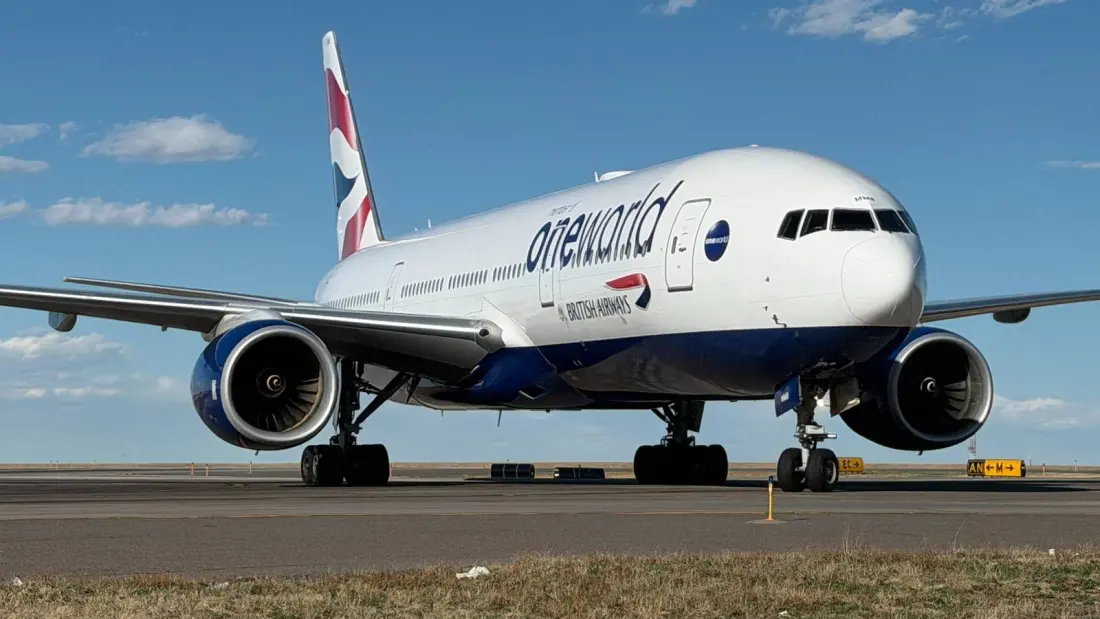
British Airways quietly assigns every customer a number between 0 and 105 that shapes how the airline treats you when things fall apart. The score, known as a Corporate Individual Value (CIV), was spotted by blogger Ben Schlappig of One Mile at a Time, with the UK site Head for Points noting BA has been using it for roughly a decade.
So what goes into the number? Loyalty and money, mostly. BA's loyalty scheme runs Blue, Bronze, Silver and Gold, with two invite-level tiers above Gold (Gold Guest List and Premier). CIV points map roughly onto those bands: Blue members sit at 0-5, Bronze at 6-13, Silver at 14-35 and Gold at 36-96. Above that, the scores climb into the 97-105 range, reserved for Gold Guest List members, key decision makers and, at the very top, Premier — an invite-only band for people who control big corporate travel budgets.
Here's the catch: on any given flight, your score changes nothing about the cabin experience. A Club World (long-haul business) passenger with a zero gets the same meal, amenities and bedding as someone at 100. Where CIV kicks in is disruption. When cancellations and delays stack up, the score helps BA decide who gets rebooked or prioritised first. Commenters on the original post also suggest it acts as a tiebreaker for upgrades, and that it isn't unique to BA — most big airlines do something similar.
If you want to nudge your own number up, the routes are familiar: buying BA-marketed flights (25 moves you from Blue to Bronze, 50 gets Silver), booking BA holiday packages, picking higher cabins, and spending on BA's co-branded American Express card. Tier points also stack into a Lifetime tally, so years of flying accumulate even if your status lapses. Worth knowing: under UK law you can reportedly request your own CIV score.
For regular BA flyers, the practical takeaway is simple: your value to the airline is being tracked whether or not you like it, and it matters most on the worst days — storm delays, cancelled aircraft, a scramble for the last rebooking slots. Frequent flyers in premium cabins with high scores will be near the front of that queue. Occasional travellers shouldn't panic; a low score won't downgrade your seat or service.
It's also part of a broader pattern. Airlines and hotels track searches, send follow-up emails when you abandon a fare, and tailor offers to your history. The difference here is that CIV quietly shapes real-world outcomes — like who gets the last business class seat on the next flight out — rather than just your inbox. Simple Flying has contacted BA for comment.