A short drive from Monterey's beaches and aquarium lies one of California's stranger pieces of public land. Fort Ord National Monument, spanning more than 14,000 acres of Monterey County between Monterey Bay and the Salinas Valley, was an active US Army installation for nearly eight decades before closing in 1994. Over 1.5 million soldiers trained there between 1917 and its shutdown, gearing up for World War II, Korea, and Vietnam. In 2012, President Obama declared it a national monument, protecting the habitat while quietly honouring its military past.
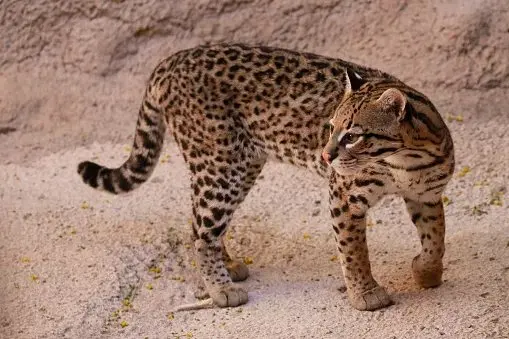
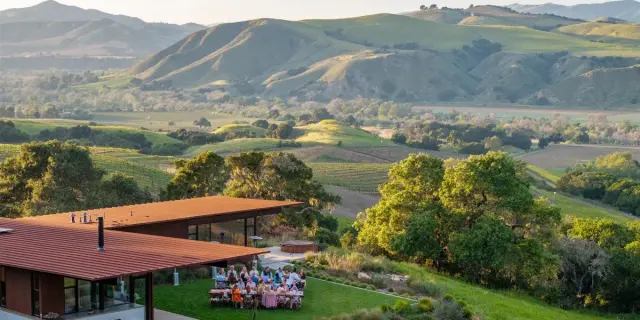
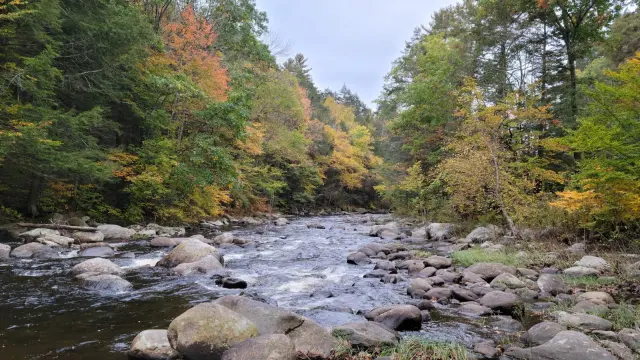
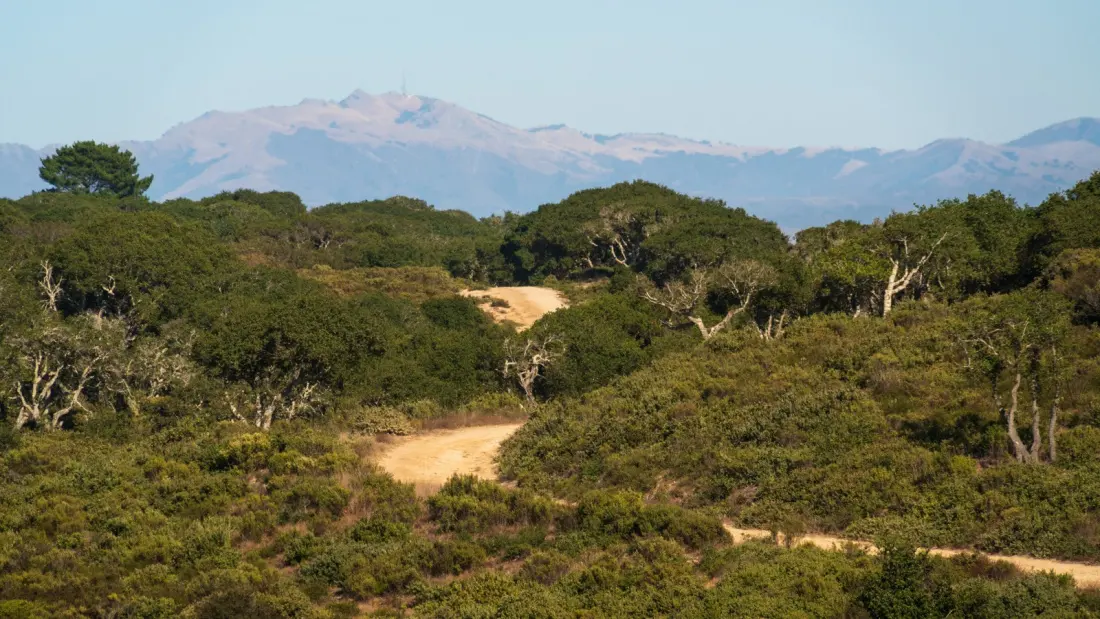
Today the barracks are mostly gone and nature is reclaiming the ground. Rare maritime chaparral dense with manzanita and California lilac, oak woodland, and wildflower-strewn grasslands now cover the terrain — and there are 86 miles of trails to explore on foot, by bike, or on horseback. Wildlife spotting is a real draw: bobcats, coyotes, badgers, and even mountain lions roam here, alongside protected California tiger salamanders and raptors overhead. The wildflower displays shift through the seasons, from Contra Costa goldfields in late spring to purple nightshade in late summer.
A few routes worth knowing: AllTrails lists 24 trails in the monument. A 4.5-mile stretch of the Juan Bautista de Anza National Historic Trail links the two main trailheads, tracing the 1776 route of Spanish colonists. The 5.9-mile Guidotti–Skyline–Oil Well–Toro Creek loop crosses flower-filled grasslands with Pacific Ocean views on clear days — and you might meet the goats deployed to graze down fire risk. For a shorter outing, the 2.7-mile loop of Trails 1, 72, and 31 runs through forest and wetlands.
One serious caveat: parts of the site are still off-limits while the military cleans up landfill, petroleum contamination, and unexploded ordnance. Stick to marked trails, always.
Cyclists have adopted the place in a big way. Every April the nearby Laguna Seca circuit hosts the Sea Otter Classic, one of the world's best-known cycling festivals, and the trails stay busy year-round.
There's more to see around the edges of the monument. In Marina, the 1940 Fort Ord Station Veterinary Hospital — the last surviving building of its kind, built when the army still relied on horses and mules — is slated to become a museum. For now, the Cavalry Trail leads from it to the grave of Comanche, a white mustang beloved by a retired cavalryman known as Old Bill. Also in Marina, Fort Ord Dunes State Park offers four miles of shoreline and a 1,000-acre dune landscape with old bunkers and firing-range remnants — a self-guided phone tour points them out.
Camping isn't possible at the monument yet: a 98-site campground is under construction and expected to open in 2027. For now, the Laguna Seca Recreation Area Campground has direct trail access into Fort Ord, with the added spectacle of race events through the summer.
For hikers, cyclists, and road-trippers on the Highway 1 corridor, Fort Ord is an easy half-day or full-day stop that pairs well with Monterey and Carmel — a piece of military history that's turned into surprisingly good wild country.