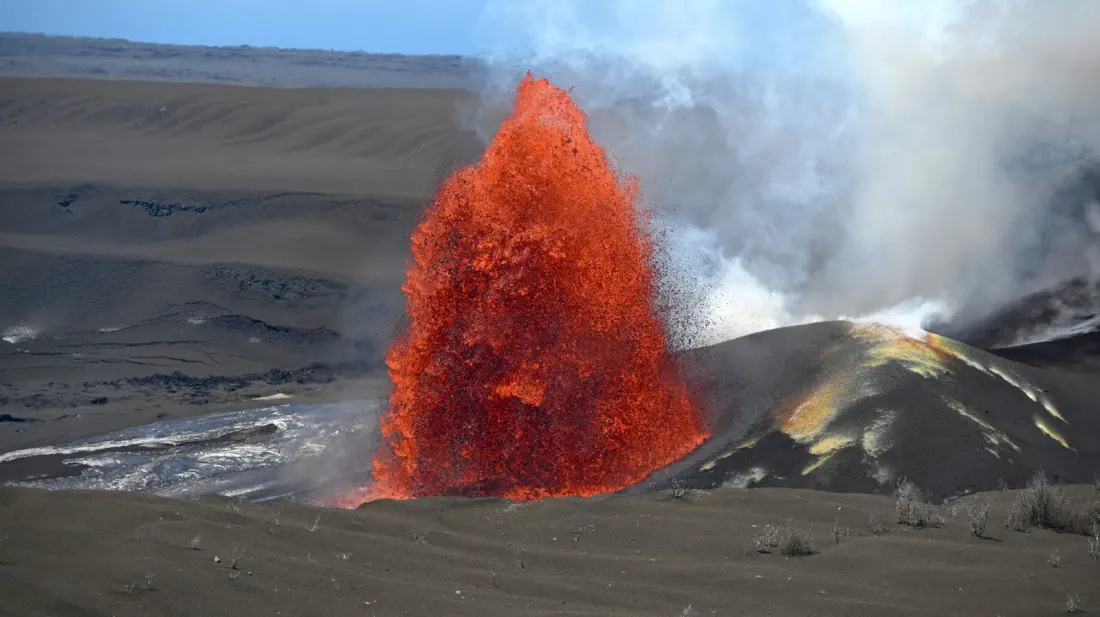
Volcano tourism is having a moment, and the US offers plenty of chances to get close. The country counts around 169 active volcanoes, most in Alaska, with six in Hawaii (including restless Kilauea) and five in Washington State, home to Mount St. Helens. Parks like Hawaiʻi Volcanoes, Lassen Volcanic, Mount Rainier and Yellowstone let travellers walk through volcanic terrain — but doing it safely takes more than good shoes.
The first rule from rangers: carry the basics. The classic "10 essentials" — water, food, warm layers, sunscreen, matches, a knife, first aid kit, fire starter, flashlight and spare batteries — apply doubly on a volcano. Rangers at places like El Malpais National Monument suggest a gallon of water per person per day, plus eye protection and a face covering, since volcanic ash is a serious irritant.
Closed areas are non-negotiable. Hydrothermal crust can be too thin to walk on, low ground can collect deadly carbon dioxide, and cliff edges near active vents can crumble without warning. Jack Corrao, chief ranger at Hawaiʻi Volcanoes National Park, has warned that a slight shift in wind can expose visitors to a fatal dose of volcanic gas. That warning proved tragically real: in February 2026, a 33-year-old man who crossed a closed area on the east side of Kīlauea's caldera was found after an overnight search and later died in hospital.
Weather is the other sneaky killer. Visitors often worry about heat and lava, but former ranger Scott Berkenfield told The Washington Post that hypothermia is the biggest threat even in summer, since caldera climbs involve altitude and fast-changing conditions. Volcanic plumes can even generate lightning — Greg Purifoy of Lassen Volcanic National Park advises heading indoors or into a car, and moving to low ground if you're stuck outside.
Getting lost compounds every other risk. Day hikers rarely carry overnight gear, so survival instructor Andrew Herington's advice is simple: don't lose your way in the first place. Study the terrain, download the national park app, and pack a map, compass and GPS. If you do get disoriented, the S.T.O.P. method — stop, think, observe, plan — beats pressing deeper into trouble.
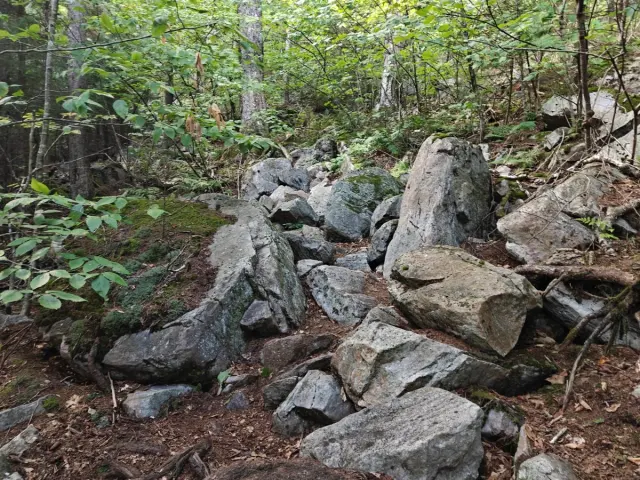
Dress for the rock. Long trousers, long sleeves, a hat and layers are standard advice at spots like Capulin Volcano. Volcanic rock is razor-sharp, so sturdy hiking shoes matter, and anyone watching lava flows should add gloves, eye protection and possibly a dust mask.
Finally, listen to the rangers — in person or by phone. Check trail conditions before you go (Mount Rainier's site posts current updates), don't block emergency access roads, and avoid driving during an eruption: the USGS warns that volcanic ash makes roads slippery and wrecks engines. And if someone in your group goes missing, let the professionals search — going after them yourself just creates more rescues.
None of this should scare you off. Fatalities are vanishingly rare, and monitored parks work closely with USGS volcano observatories. A little preparation is all that separates a stunning day at the caldera from a very bad one.