Radisson Hotel Group has expanded its Verified Net Zero Hotels programme with four new properties, bringing the total to nine. That's still short of the group's stated goal of 100 net zero hotels by 2030, but the latest batch is notable for what it proves: hotels don't have to be brand new, shiny builds to cut their operational emissions to zero.
Two of the newly added hotels opened back in the 1980s, and one of the four — the Radisson Blu Waterfront Hotel — comes with a large meetings venue attached, the Stockholm Waterfront Congress Centre. That makes it the first time the scheme has covered meeting and congress spaces, not just guest rooms and restaurants. For anyone who has organised or attended a conference, that matters: events are notoriously energy-hungry.
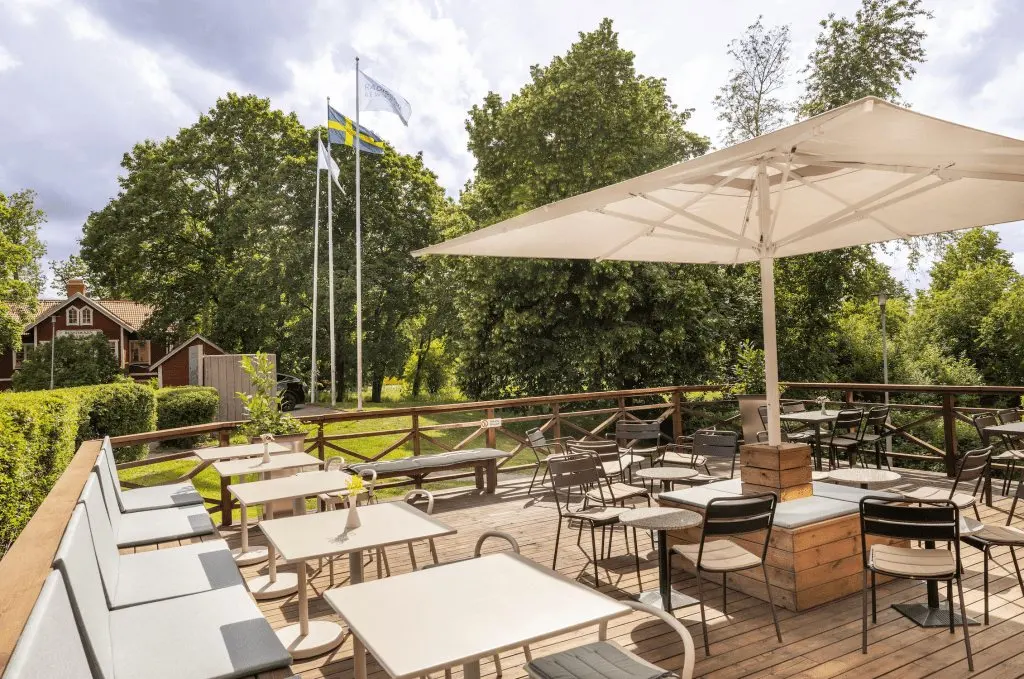
Three of the four additions sit in Stockholm: the Radisson Blu Waterfront, the Radisson Blu Royal Viking, and the Radisson Blu Arlandia, which serves travellers passing through the airport. The Swedish capital continues a pattern — Radisson's net zero portfolio is heavily concentrated in the Nordics, and for good reason. Electrification only delivers real emissions cuts when the electricity behind it is clean, and Nordic grids run largely on renewables. In countries where the grid still leans on fossil fuels, an all-electric hotel achieves far less.
Energy is the central challenge in hotel decarbonisation. Heating, cooling, hot water, kitchens and lighting account for the bulk of a hotel's operational footprint, and retrofitting older buildings is expensive and technically awkward. By pulling properties from the 1980s into the scheme, Radisson is making a point to the rest of its portfolio — and to competitors — that age isn't an excuse. The group says the programme is designed to show that different hotel types, in different markets and climates, can reach net zero operations.
For travellers, the practical takeaway is simple: if you want to book a stay with lower emissions and don't want to take a hotel's marketing at face value, the verified label does some of the vetting for you. Nine hotels is a small slice of Radisson's global estate, so most eco-minded guests will still need to look at other credentials — but if your trip takes you to Stockholm, you now have several genuinely net zero options, including one right by the airport and one that can host a conference alongside your stay.
The wider signal is worth watching. If a programme like this can scale beyond its Nordic comfort zone into markets with dirtier grids, hotel sustainability claims will get more credible everywhere. Until then, the Nordics remain the place where green hotel stays are easiest to find.