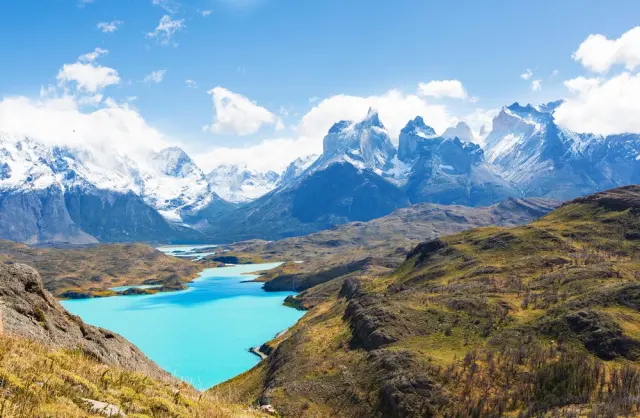
Day four of a thru-hike on the Peaks of the Balkans trail reads like a field guide to what long-distance walking in Albania, Montenegro and Kosovo actually feels like — and it's a useful one for anyone weighing up the route. The Peaks of the Balkans is a roughly 190km circuit through the Accursed Mountains, and it can be done two ways: hut to hut with luggage transfers, or fully self-supported with a tent on your back. This day captures the contrast between the two.
The day starts gently. After a much-needed lie-in, the hiker drops into a village where hut-to-hut walkers are just emerging from their guesthouses. A small tea hut at the top of the first climb sells Cokes and offers water refills — a reminder that even on a remote mountain circuit, you're rarely more than a few hours from a cold drink and a friendly local. Then comes the less glamorous side of the trail: a stretch of road walking, head down, headphones in, before the route turns upward again toward a high pass.
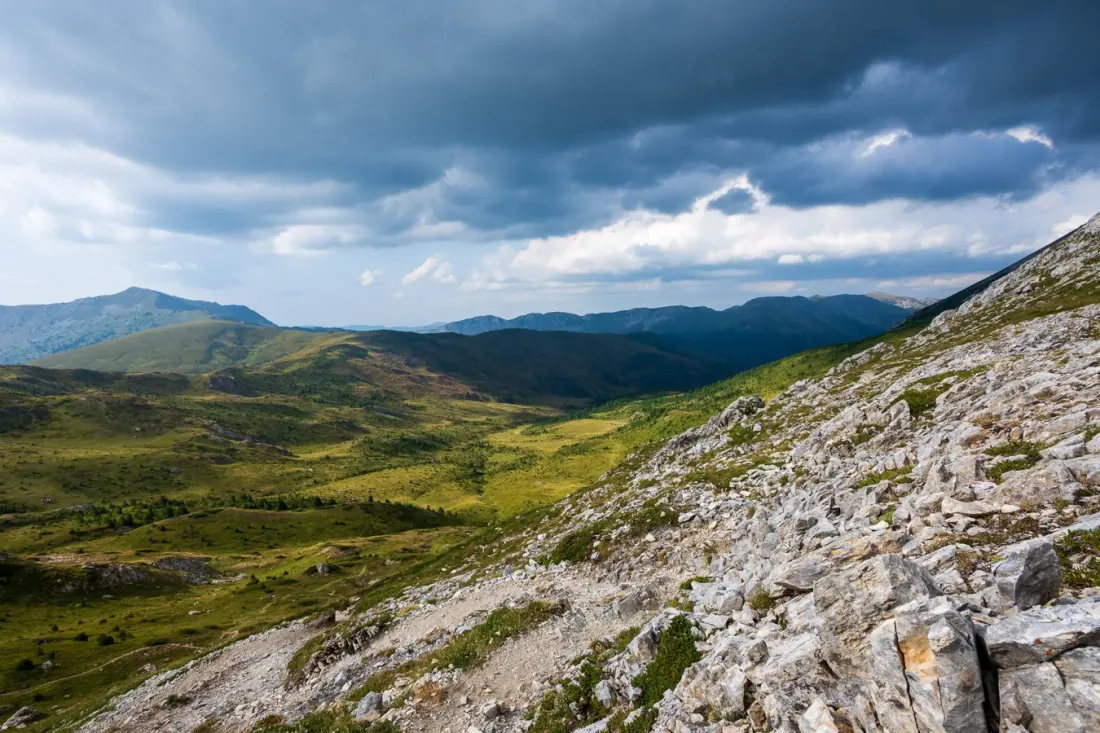
The middle of the day delivers what the Balkans does best. Cow bells echo across the valley, the climb opens onto long views, and a shaded flat spot makes a perfect lunch stop above the next village. Down in town, the trail infrastructure shows itself: pick-up trucks ferry duffel bags between huts for the comfort crowd, guesthouses double as water stops, and hikers compare notes in the street. A chance conversation with a New Zealander on a hut-to-hit itinerary highlights the split in hiking styles — her day ends at a booked bed; his continues up a steep final climb with a full pack.
The afternoon is the payoff. Over the last high point, the trail follows a ridge down into another green valley where local families are camped with their horses, hobbled in the long grass — a traditional transhumance way of life still very much alive in these mountains. The day ends beside a river: a flat tent spot, a freezing swim, and a sunset from the sleeping bag.
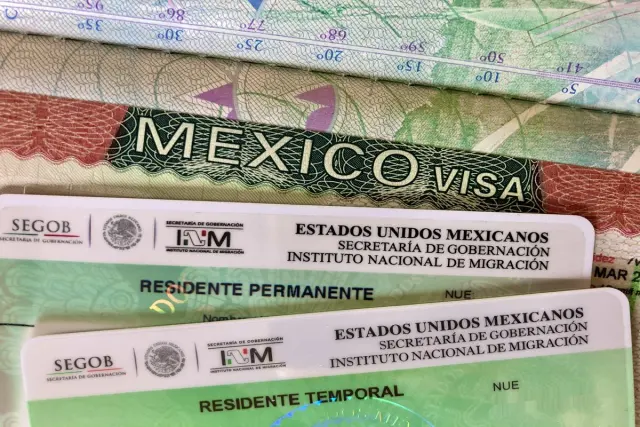
Why does this matter to a traveller? Because it shows the Peaks of the Balkans is flexible. You can walk it supported — sleeping in guesthouses and family-run huts, eating home-cooked meals, with your main bag shuttled ahead — or carry everything and wild camp in the valleys, which is legal and generally tolerated along the route. Either way you get the same dramatic ridgelines, shepherds' trails and village hospitality. July to September is the reliable window; the trail crosses three borders, so carry your passport and check that your visas or entry stamps cover all three countries. A copy of the guidebook or a GPS track is essential — waymarking exists but can be patchy.
If you've done the Tour du Mont Blanc and want something rougher, cheaper and quieter, this circuit deserves a spot on your list.