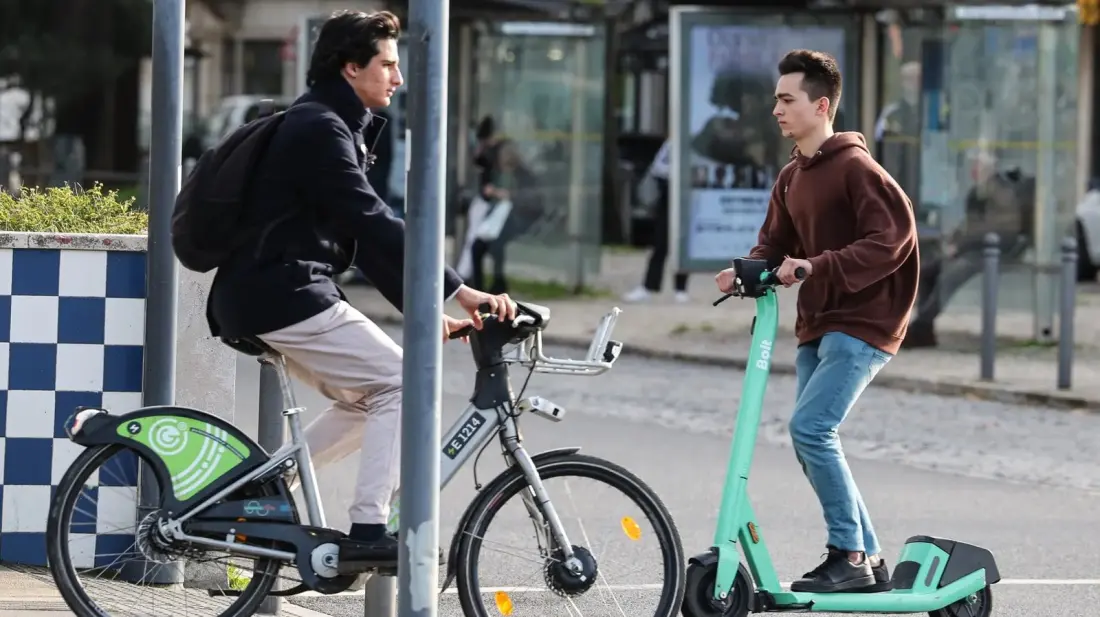
Lisbon's shared e-scooters — roughly 6,000 of them zipping around the Portuguese capital — may soon face a public vote on their future. The Portuguese Automobile Club (ACP) has gathered around 20,000 signatures from registered city voters demanding a municipal referendum on whether the scheme should continue at all.
The petition, which kicked off in early August with ACP members before spreading to collection points across the city, will be formally submitted to the Lisbon Municipal Assembly. From there, the process is a bureaucratic relay: the Assembly's president runs an initial legal check, a committee has 15 days to examine the proposal and file a report, then the full Assembly votes in plenary. If it passes that hurdle, the resolution goes to the Constitutional Court to confirm it is legal and constitutional. Only after all of that — and only with a favourable ruling — would residents actually get to cast their ballots.
Why target scooters? ACP frames it as bigger than mobility: safety for road users and pedestrians, accessibility, how pavements and public space are used, and enforcement of the rules. The club says it wants to 'promote debate on the city's urban mobility model' and let citizens make a decision that directly affects thousands of daily lives. Complaints about the scooters — abandoned on sidewalks, riders on pavements, collisions with pedestrians — have been constant since operators launched in the city in 2019.
For travellers, this matters more than it might seem. Lisbon is one of Europe's most popular city-break destinations, and rental e-scooters have become a default way for visitors to hop between Alfama's viewpoints, the riverside at Belém and the bars of Bairro Alto. If the referendum eventually goes ahead and locals vote the scheme down, that cheap, fun last-mile option could disappear or be scaled back. Even before any vote, expect an ongoing political debate — and possibly tighter rules on where scooters can park and ride — to shape how easy the apps are to use on the ground.
Worth keeping in mind: Lisbon's hills and tram tracks already make scooter riding trickier than in flatter cities, and the city has busier pedestrian zones where riding is restricted. The story is one to watch if you're planning a trip and had scooters pencilled in as your transport of choice — for now, they're still out there, but their future is officially up for debate. Story via Portugal Resident (LUSA).