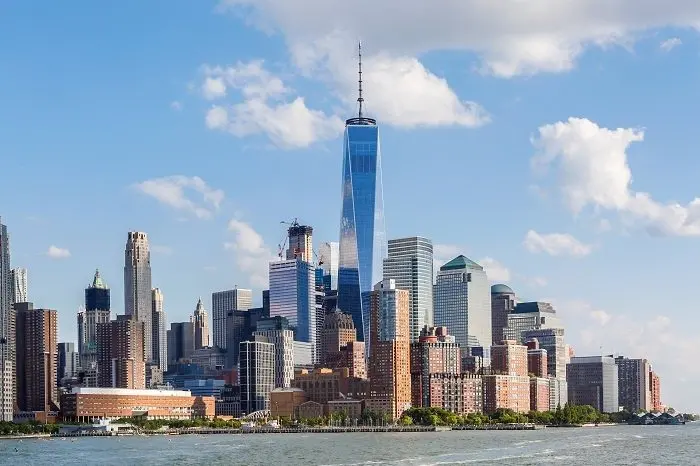
Big-city marathons have quietly become a booking phenomenon, and this autumn's numbers prove it. After Eliud Kipchoge's history-making sub-two-hour run in London in April pushed the sport further into the mainstream, attention now shifts to two of the world's biggest races: the Chicago Marathon in October and the New York City Marathon in November. Between them they attract tens of thousands of runners and spectator crowds in the millions.
Fresh figures from Amadeus Travel Intelligence show what that means on the ground. Domestic flights into Chicago rise around 13 per cent during marathon week; into New York the jump is a striking 45 per cent. Hotel data tells a similar story. In Chicago, occupancy for the Friday-to-Sunday race weekend is tracking at 86 per cent, with an average daily rate of $364 — up 10.2 per cent on last year. New York's occupancy sits lower at 58.1 per cent, but rates have climbed 12.4 per cent to $369 a night.
Who's actually travelling? New York draws a genuinely global crowd. Bookings from Rome are up 48 per cent and São Paulo up 34 per cent during race dates, with Milan close behind at 12 per cent. India is the standout growth market for both cities: arrivals into Chicago during the race window are up 14 per cent year on year (Delhi alone up 30 per cent), while New York sees a 12 per cent rise from Indian travellers.
The takeaway, as Amadeus's Jill Boegel puts it, is that fitness-driven travel is no longer a niche. Marathons create short, predictable spikes of demand — a golden window for hotels, but also a useful signal for travellers. If you're planning to be in either city on race weekend purely to cheer, book early and expect to pay a premium. If you'd rather have the city to yourself, those same weekends are ones to avoid.
There's also a growing case for the 'race-cation': arriving a few days before the gun goes off or staying on after to explore beyond the finish line. Brand USA's Chris Heywood has flagged exactly this, hoping marathon visitors will use the trip to see more of the cities — and destinations beyond. With crowds and prices concentrated in one tight weekend, adding two or three days either side can be both cheaper and calmer.
For runners eyeing a future entry, both races use a mix of lottery, time-qualifier and charity places, so plan well over a year ahead. Spectators get one of the great free city experiences: New York's five-borough course and Chicago's loop through 29 neighbourhoods offer endless viewing spots. Either way, marathon weekend now ranks alongside holidays and major concerts as a genuine demand driver in America's biggest cities.