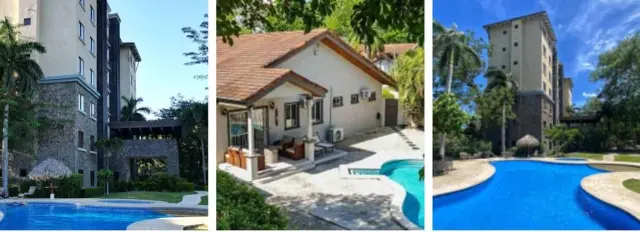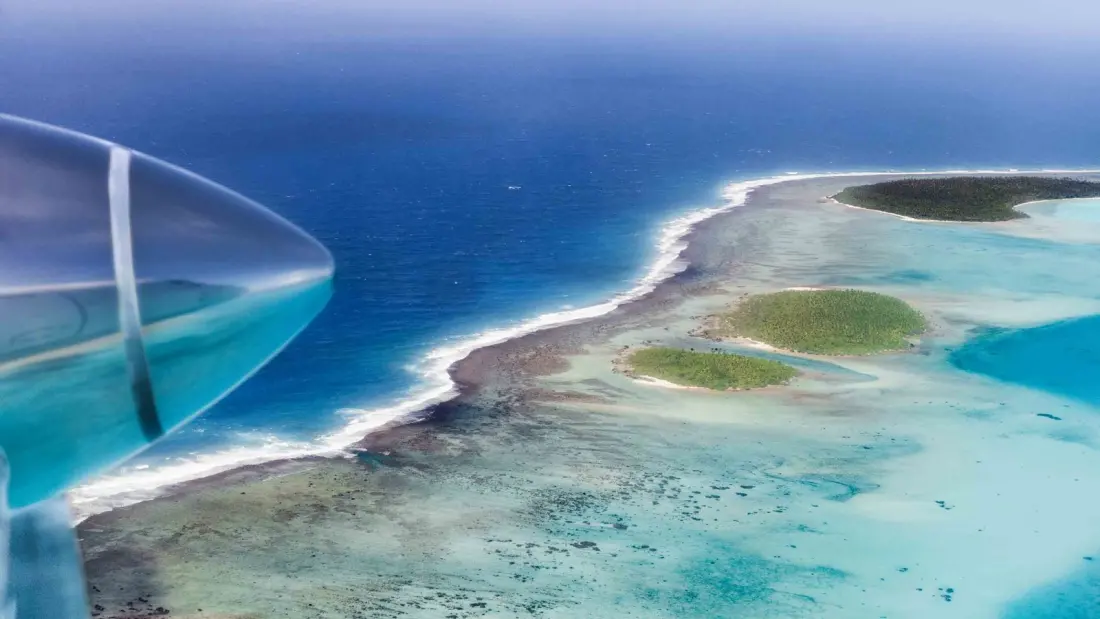
There's a rule of thumb in the Cook Islands that no building should rise taller than a coconut tree. Remarkably, even the archipelago's new five-star Grand Resort Rarotonga passes the test — from its fifth-floor rooftop, the surrounding palms still win. That's less accident than philosophy, rooted in 'Mana Tiaki', a local concept of sacred guardianship over land, culture and sea.
The main obstacle to resort-giant sprawl is legal, not just cultural. The 1965 Constitution enshrines hereditary bloodlines, meaning foreigners can't own land outright — non-islanders are limited to 60-year leases. That single provision has largely kept international hotel chains and fast-food franchises out. Even the Grand Resort, opening on the Arorangi Sunset Coast in October 2026, is locally owned: CEO Brett Baudinet turned down partnership offers from luxury brands to invest solo. Locals remember what can go wrong otherwise — the infamous, never-opened Sheraton at Vaimaanga, a near-complete 1980s project that sank the country close to bankruptcy, and which some attribute to a land-rights curse, or makutu.
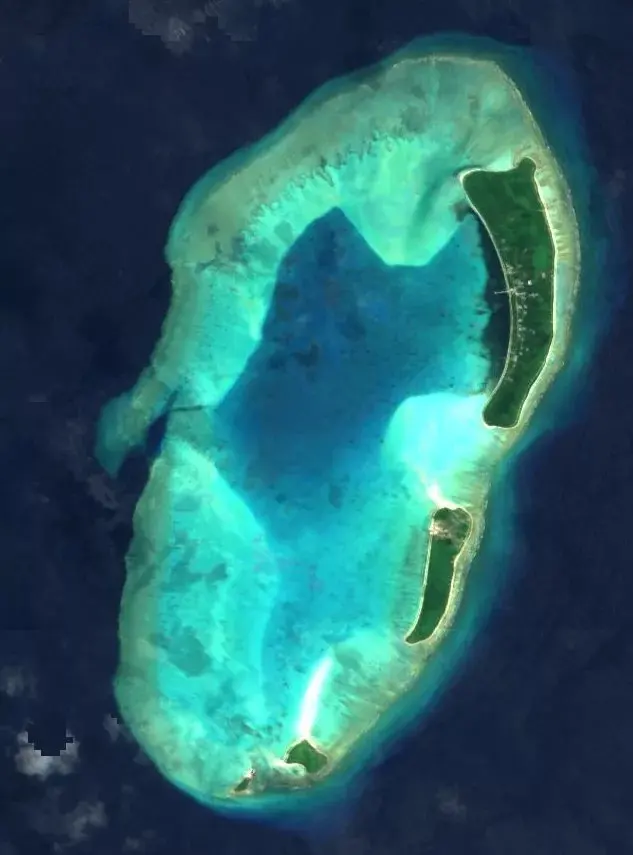
Tourism isn't small potatoes here: around 70 percent of GDP depends on it, mostly visitors from New Zealand, a short sub-four-hour flight from Auckland to the 20-mile ring of Rarotonga. That dependence creates tension. The government is weighing tourism and fishing against controversial deep-sea mining deals with US corporations, which have drawn fierce local opposition. In 2017 the country created Marae Moana — 'sacred ocean' — one of the world's largest marine parks at 1.9 million square kilometres. Dive operators like Bubbles Below on Aitutaki, which runs humpback whale swims from June to August, would rather spread visitors across the year than chase bigger peaks.
Travellers get a rare thing here: a Polynesian nation that still feels like itself. Rarotonga has no traffic lights, two island-looping buses you flag down with a wave, and a capital, Avarua, where outrigger canoeists launch from the harbour. For a deeper dive into local life, book a botanical walk at Arataki Organic Garden, where owners Mirella and Katoa Mairi grow taro, ginger and coconut using regenerative methods — compost instead of fertiliser, chilli-and-soap spray instead of pesticides — continuing the pandemic-era tradition of Tapora Kai Enua, community food sharing. Then eat ika mata, the national dish of citrus-marinated raw fish in coconut cream, ideally at Muri beach.
Nothing lasts forever. Asked whether a McDonald's will ever land here, even Baudinet pauses and answers 'probably'. But for now, the Cook Islands remain a place where locals, not shareholders, decide what gets built — and where you can swim with whales in the morning and eat taro fries at night, all without a single chain restaurant in sight. Anyone craving an island escape before the rest of the world catches on should move it up the list.