
Spain is expecting 100 million international visitors this year, and the government has decided that kind of success needs managing rather than just celebrating. Its new Tourism 2030 strategy, presented by Turespaña's Carlos Ruiz González at Arabian Travel Market in Dubai, is a country-wide policy that treats the people who actually live in tourist destinations as a priority group - not an afterthought.
The numbers explain the urgency. Spain is the world's second-most visited country, tourism generates 12.6% of GDP and around three million jobs, and arrivals keep climbing after 96.8 million international visitors in 2025. Ruiz González was blunt about the downside: some destinations are "dying of success", with housing pressure, overcrowding and climate impacts among the challenges listed. The strategy was built with input from more than 200 experts, businesses and government bodies, and it spans every ministry - economic, social and environmental sustainability rolled into one.
Residents sit at the centre of the plan as one of five core audiences, alongside destinations, businesses, tourism workers and visitors. The logic is simple: tourists go where people live, so locals need to keep being able to afford homes and go about daily life. Delivery comes via a three-phase roadmap broken into two-year action plans.
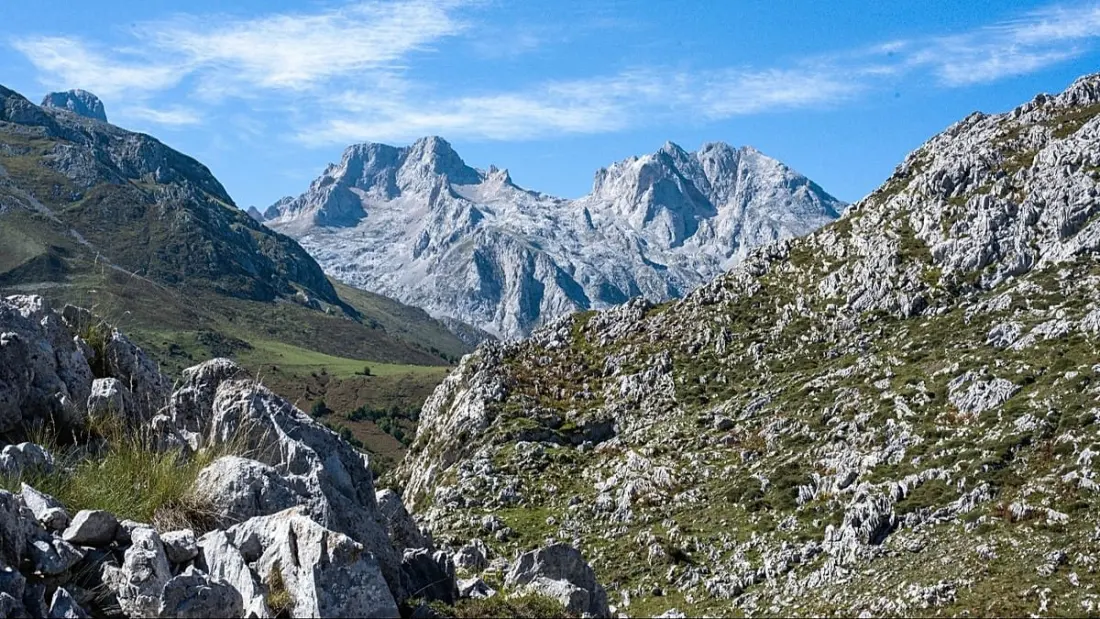
For travellers, the practical takeaway is direction. Spain isn't trying to scare anyone away from Barcelona or the mature coastal resorts, but it does want visitors to look beyond them - going further inland, travelling slower and staying longer. The suggestions are tempting: the Pyrenees and the Picos de Europa for hikers, the Sierra de Guadarrama national park within day-trip range of Madrid, and the historic cities and small towns of Castilla. Spain's high-speed rail network makes much of this surprisingly easy without a car.
If you've been put off by anti-tourism protests in Barcelona or the Canaries, this strategy is worth reading as an invitation. The parts of Spain actively courting visitors right now are the rural and inland regions that have been losing population - places where your money genuinely supports local communities rather than inflating rents. A slow trip through Castilla or a walking week in the Picos de Europa fits exactly the kind of tourism the country says it wants next.