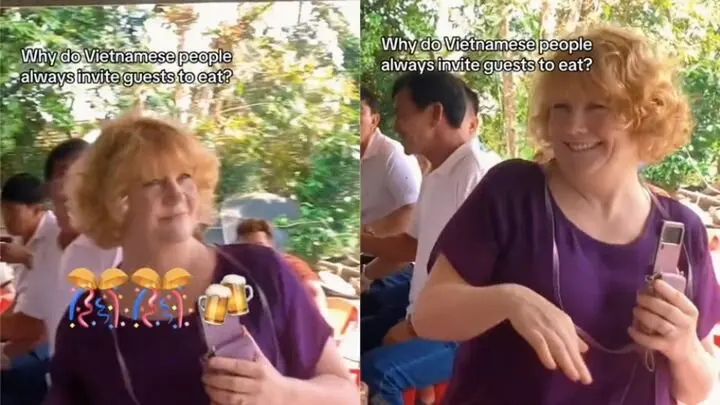
Picture this: you're walking back to your hotel in Ho Chi Minh City, and a family you've never met waves you through their front door, pulls up a plastic stool, and starts piling your bowl with food. In Vietnam, this isn't a scam or a rare stroke of luck — it's a regular feature of travelling the country, and one that repeatedly leaves foreign visitors stunned.
Forums like Reddit and TripAdvisor are full of these stories. A British traveller named Thomas described being fed, given beer and rice liquor, and chatted with like an old friend by a family in Ho Chi Minh City — then recognised the next day and sent off with snacks and takeaway food for the road. Daniel, an American on a work assignment, was flagged down mid-street by a guest at a wedding reception, seated at the banquet, and toasted with rice wine by the older men while grandmothers loaded his plate. In Quang Nam, a German traveller named Anna went from anonymous passerby to centre-of-the-table guest at a family gathering in the space of a minute, with each dish introduced one by one. And in the northern mountain province of Ha Giang, Canadian Luke Faulkner shared evening meals and corn wine with a host family until he stopped feeling like a tourist at all.
What puzzles visitors most is that these aren't token gestures. Weddings, ancestor memorial days (đám giỗ) and Lunar New Year celebrations are, in many cultures, strictly kin-only affairs — yet in Vietnam foreigners at the roadside get waved into all of them. Vietnamese contributors in the same discussions offer a straightforward explanation: traditional dining is communal by design. Everyone sits around the same round tray, shares the same platters, and the line between family and guest is deliberately thin. Feasting households habitually call out to passing neighbours, and a smiling traveller gets the same treatment. Crucially, there's no expectation of repayment — offering a seat and a meal is simply considered common courtesy. As one commenter put it, many hosts feel genuinely uncomfortable watching someone stand outside while the family eats.
For travellers, the practical takeaway is to say yes. These invitations are among the most authentic ways to experience Vietnamese food culture — regional dishes you won't find on restaurant menus, eaten the way they're meant to be eaten, surrounded by three generations of a local family. A polite smile and genuine curiosity go a long way; bringing a small gift if you can, learning a toast, and offering to help clear the table are appreciated but rarely expected. The invitations tend to happen in residential neighbourhoods, at roadside celebrations and in rural provinces like Ha Giang — places where eating is a communal event rather than a transaction.
If your idea of travel includes real connection rather than just sightseeing, Vietnam's open-door dining culture is a rare thing: hospitality offered freely, with no invoice attached. Say yes to the stool, raise your glass of rice wine, and enjoy one of the warmest welcome traditions anywhere in Asia.
Original reporting via Vietnam Insider.