Ask most people when to visit an Indian forest and they'll say winter, when the dry vegetation makes tigers easier to spot. But a quieter case is building for the season everyone else avoids: the monsoon, when the country's wildlife lodges are nudging guests out of the jeep and onto foot with guided nature walks.
The logic is simple. Rain doesn't switch the forest on like a starting gun — different species respond to rainfall, humidity, temperature, food supply and changing water levels in their own time. Some animals start breeding. Birds change plumage and call far more often. Fungi that have spent the dry months hidden inside soil and dead wood suddenly push up visible mushrooms. Creatures that were present all along become easier to find simply because the season has changed how they behave.
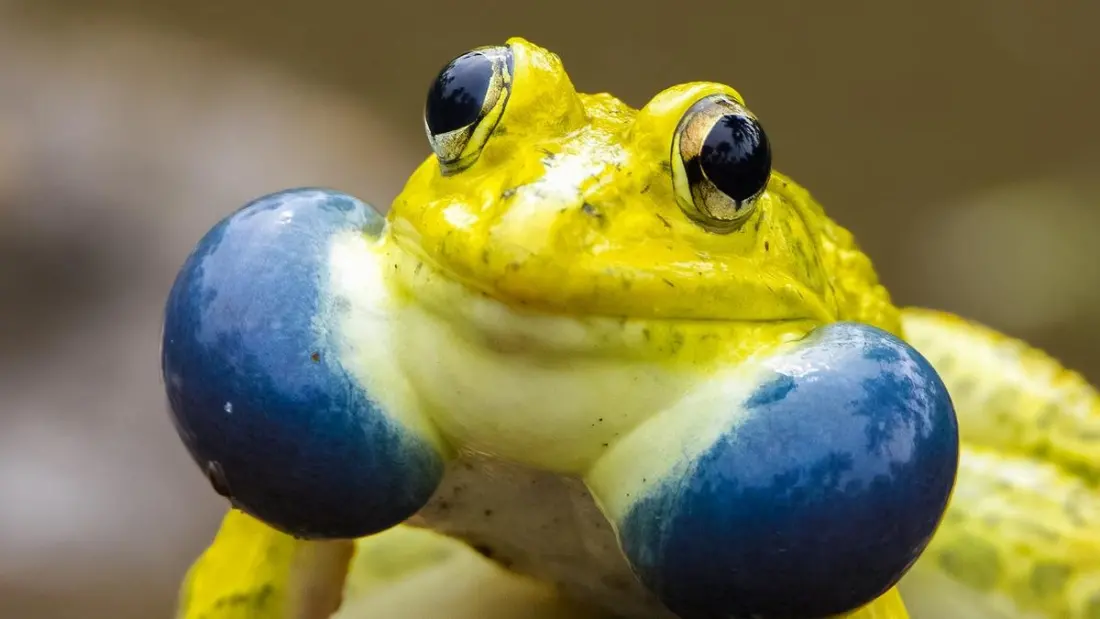
The small signs are easy to miss if you're racing between tiger sightings in a vehicle. Watch a half-built baya-weaver nest hanging from a branch and you're seeing the season's first signal. The blue vocal sacs of a breeding Indian bullfrog pulse on the forest floor. Overnight, a rain-darkened log can sprout new life. On foot, with a naturalist moving slowly, these details become the whole point of the outing rather than a distraction from the big mammals.
That's what the lodges are selling: a slower, closer reading of the forest. Monsoon walks trade the safari checklist for an immersive few hours — insects, amphibians, bird behaviour, mushrooms, the smell of wet leaf litter. For photographers, the soft overcast light and rain-washed greens are a gift. For anyone who has done the standard dry-season jeep circuit and wants something new, the same reserves can feel like entirely different places once the rains arrive.
There are practical trade-offs, of course. Some core zones of India's tiger reserves close during the monsoon months for breeding season, which is exactly why lodges have leaned into walking safaris and buffer-zone experiences instead. Trails can be muddy and leeches are a possibility, so decent footwear and a poncho are worth packing. But crowds thin out dramatically, rates often drop, and the forest at its loudest and greenest is arguably at its most alive.
Who is this for? Birders, for a start — the monsoon is breeding and calling season for many species. Macro photographers chasing frogs, insects and fungi. Anyone more interested in how an ecosystem works than in ticking off a tiger. And repeat visitors to India's parks who want to see a familiar place transformed. It's a different kind of wildlife holiday: slower, wetter and, according to the naturalists leading these walks, far richer than the season's reputation suggests.