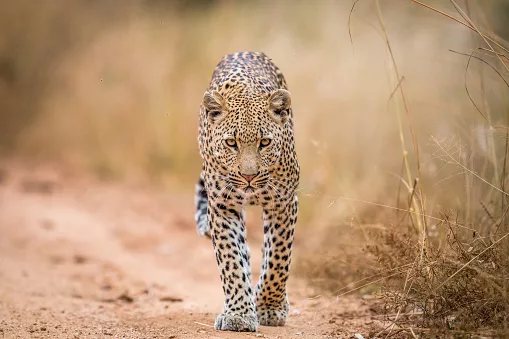
A camera trap in West Coast National Park has photographed something the park hasn't recorded in roughly 170 years: a leopard. It's the first confirmed sighting there since the mid-1800s, when the cats were hunted out of the region, and it's part of a wider comeback — more than seven leopards have now been recorded moving along South Africa's West Coast.
What makes this remarkable is that nobody reintroduced them. Conservationists, including Landmark Foundation general manager Dr Bool Smuts, describe it as a natural recolonisation. Small leopard populations survived in mountainous parts of the Cape, and from around 2015 the animals have been gradually pushing back toward the coast — some possibly dispersing down from the Cederberg, the rugged mountain area a few hours inland.
Several factors appear to have opened the door: changing land use, expanded protected areas, and growing tolerance of predators among local communities. It's a rare bit of good news in a field where large predators usually make headlines by vanishing, not returning.
The comeback isn't friction-free. The West Coast is sheep and livestock country, and leopards occasionally kill stock. Conservation organisations are working with farmers on ways to reduce losses, and some participating farmers receive compensation for animals taken by predators — a practical approach that builds tolerance for living alongside a big cat. With only seven or so leopards confirmed, the population is still fragile, and researchers will keep monitoring movements to see whether the animals can establish themselves permanently.
For travellers, the West Coast National Park — an hour or so north of Cape Town — has long been known for its spring wildflowers, Langeba Lagoon and birdlife. The possibility of a leopard moving through adds a new layer to a reserve most visitors associate with tortoises and oystercatchers rather than big predators. You're very unlikely to spot one (these are camera-trap cats), but you can walk or cycle in a park that has quietly become part of a genuine conservation success story.
The broader takeaway: connected habitat and community buy-in work. Where corridors of suitable land remain and farmers are supported rather than penalised, wildlife can reclaim territory lost for generations — no translocation trucks required.