A routine coastal hike between Llandudno and Hout Bay ended with a helicopter, rescue boats and a night spent on the mountain after a 38-year-old German tourist hurt his ankle on a stretch of trail his navigation app made look far more manageable than it is.
The man and his partner had been following a digital route along Cape Town's Atlantic seaboard. Past the Boss 400 shipwreck, the trail turns overgrown, faint and genuinely hazardous — something the app didn't flag. After the injury, the pair tried to walk back to Llandudno, but a tough section of the route stopped them, and late on Sunday afternoon they called for help.
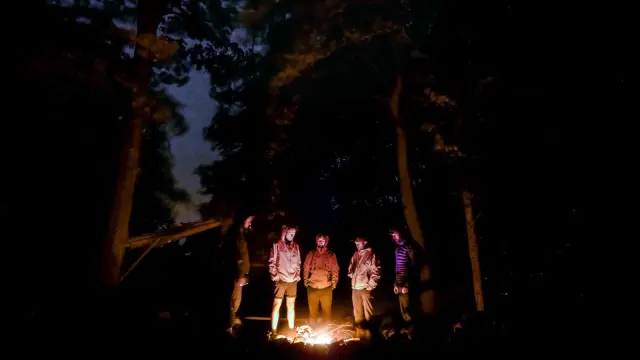
What followed was a large, multi-agency operation. Paramedics from Western Cape Government Health and Wellness, SANParks Table Mountain National Park rangers and the SEAM team, and Western Cape Search and Rescue all responded. With strong winds picking up and light fading, teams decided moving the hikers in the dark was too risky. Instead, WSAR trail runners hauled tents, sleeping bags and gear up the trail so everyone could shelter overnight.
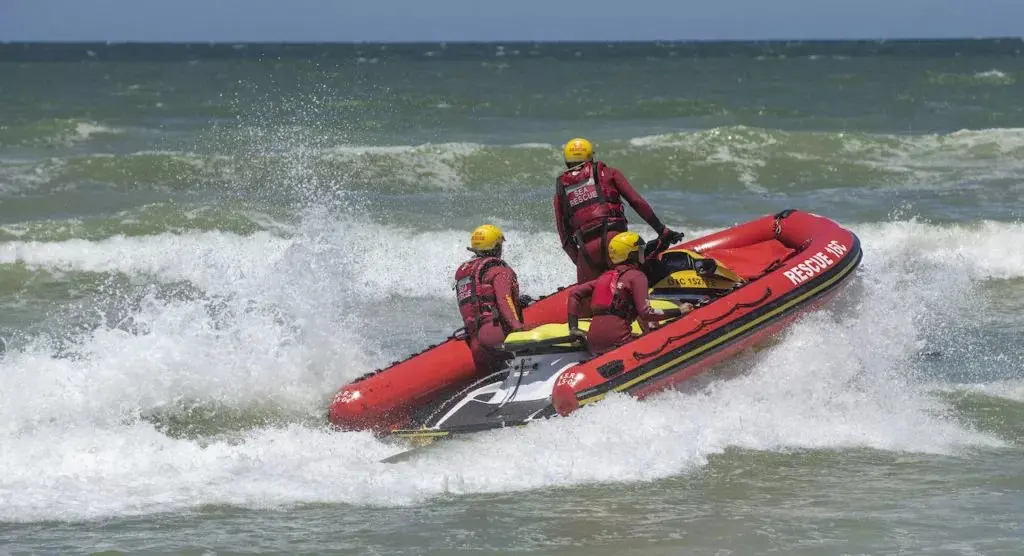
The extraction resumed just after 08:00 on Monday, when an EMS/Air Mercy Service helicopter tried to reach them. The wind put paid to that, so rescuers switched to plan B: a technical lowering of the injured hiker roughly 60 metres down granite slabs to the shoreline, where NSRI crews waited with boats. A small inflatable canoe ferried the two hikers out to the vessels one at a time, and by shortly after midday on Monday both were safely ashore in Hout Bay.
The takeaway for anyone planning to hike around Cape Town is straightforward: apps show a line on a map, not the state of the ground. Some coastal routes here are poorly maintained, faint underfoot and exposed, and conditions can change fast with wind, fog or fading light. Check recent trail reports and the weather before you set out, carry enough water and warm layers even on a short-looking route, and don't be shy about turning back early. If you're not confident with navigation or scrambling, going with a local guide or a well-marked classic route is the safer bet. And save the mountain rescue number before you leave your accommodation — the teams who pulled this off were excellent, but nobody wants to meet them this way.