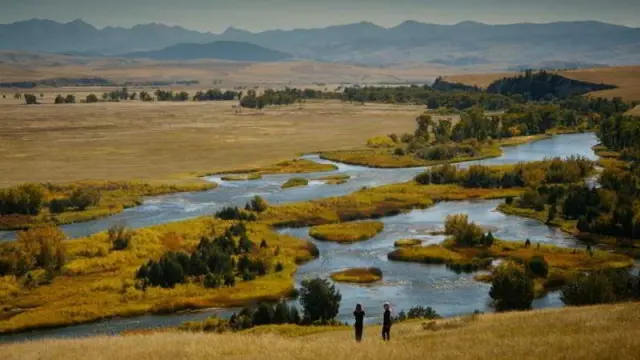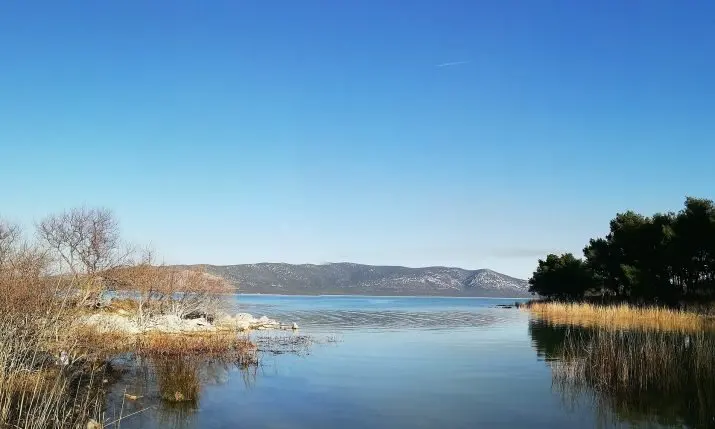
Vransko Lake in northern Dalmatia doesn't look like a place in trouble — it's a wide, bird-rich stretch of freshwater just inland from the Adriatic, and the biggest natural lake in Croatia. But the sea has been quietly creeping in, and a project worth more than €2 million is now underway to stop it.
The problem lies with the Prosika Canal, an 18th-century waterway that links the lake to the Adriatic. Seawater can also seep in through the surrounding karst rock, made worse by an odd geological quirk: parts of the lake bed sit below sea level, a feature known as a cryptodepression. With droughts hitting harder in recent years, salinity has been climbing. The consequences became stark during the 2012 drought, when salty water triggered a major fish die-off — mostly the larger specimens — and the decomposing fish then drained oxygen from the water, compounding the damage.
The new works centre on a reinforced control structure on the Prosika Canal. Once finished, it will let authorities open and close the barrier, holding seawater back while still releasing excess water from the lake and its catchment to prevent flooding. Park director Šime Mršić summed up the twin goals: keep the sea out, and get surplus water out safely. The funding comes via Hrvatske vode from Croatia's National Recovery and Resilience Plan.
Why should a traveller care? Vransko Lake is a protected nature park and one of the best birding sites on the Adriatic coast, with around 260 recorded bird species along with a long list of protected plants and animals. If the lake's freshwater character degrades, the ecosystem that draws birdwatchers, cyclists and kayakers changes with it. The Prosika fishing harbour at the canal remains a working and scenic spot, a starting point for local fishermen and a handy base for exploring the park.
The park sits between Zadar and Šibenik, which makes it an easy detour on a Dalmatian coast trip — close enough to the Kornati islands and the coastal towns to fill half a day or a quiet inland break from beach-hopping. The works are a reminder that even low-key natural sites like this need active management as summers get hotter and drier; the salinity battle here is part of a wider push to protect freshwater habitats across the Mediterranean. For visitors, nothing changes in the short term — the trails, lookouts and bird hides stay open — but in the long term this project is what keeps the lake worth the detour.
For anyone planning a nature-focused stop in Dalmatia, Vransko pairs well with a morning at the lake and an afternoon in Zadar or Šibenik, and spring and autumn are when the birdlife peaks. Source: Croatia Week