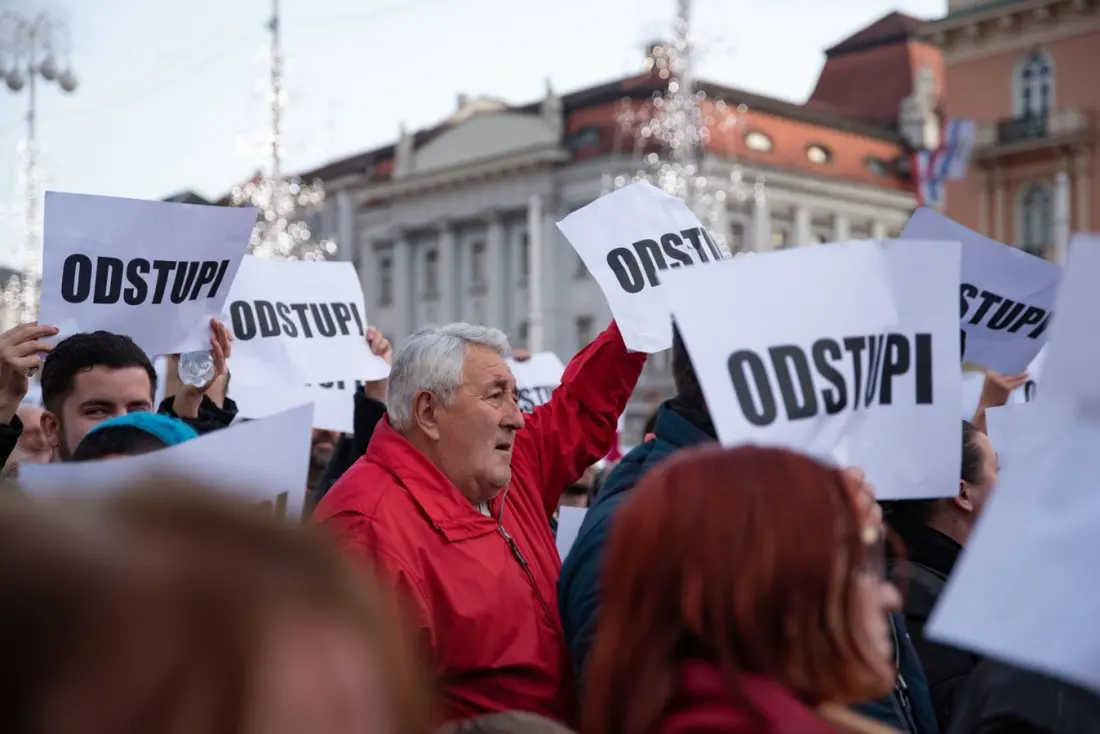
Business owners across Croatia have called a protest in Zagreb for 10 October 2026, uniting an unlikely coalition: craftspeople, entrepreneurs, traders and private accommodation landlords. Their shared gripe is a wave of new government rules they say punish them with red tape, unpredictable taxes and last-minute changes.
The flashpoint is the "anchor price" rule in force since 1 October. Shops and service providers must now display, next to the current price, what the same item or service cost on 10 September. Sounds simple enough, but for small businesses it means repriceing thousands of items and reprinting price lists. Fines for getting it wrong run from €3,000 to €30,000 — a serious sum for a family shop. A stationer with three decades in the trade described repricing 4,000-5,000 items in-store plus another 3,000 online, at real cost and with no spare staff to do it. A hairdresser with ten years behind the chair made the obvious point: nobody chooses a salon by comparing prices to a few months ago.
Critics, including the Alliance of Associations of Small Traders, argue the measure does nothing to fight inflation — the stated goal — and may even stoke it, since businesses will fold the admin costs into their prices. The umbrella trade group UGP put it neatly: entrepreneurs accept risk and competition, but what they need is predictability, and rules that keep shifting make it impossible to plan investment or hiring.
Landlords are joining in too, and this is where travellers have skin in the game. Owners of private apartments and rooms — the backbone of Croatia's holiday accommodation — are angry about a sharply increased lump-sum tax, a planned tourism reform and new apartment categorisation rules. Their association argues small landlords have been made scapegoats for housing shortages and rising property prices they didn't cause. If lump-sum taxes keep climbing, expect some owners to quit the market and others to push costs onto guests — which could mean fewer options and higher rates in popular coastal and city destinations.
On 10 October organisers will present formal demands: scrap or revise the anchor price decision, analyse the impact of new burdens before imposing them, announce changes with enough lead time to adapt, make sanctions proportionate, and actually consult the sectors affected.
If you're heading to Croatia, the practical takeaway is modest but real. A large protest in Zagreb on 10 October could mean road closures and crowds in the city centre — plan around it if you're there that weekend. Beyond that, watch accommodation prices: the combination of higher landlord taxes and tourist-sector reforms is likely to filter into what you pay for private rentals, especially in summer. Croatia remains an easy, welcoming trip; this is a story about how it prices itself, and who absorbs the cost.
Total Croatia