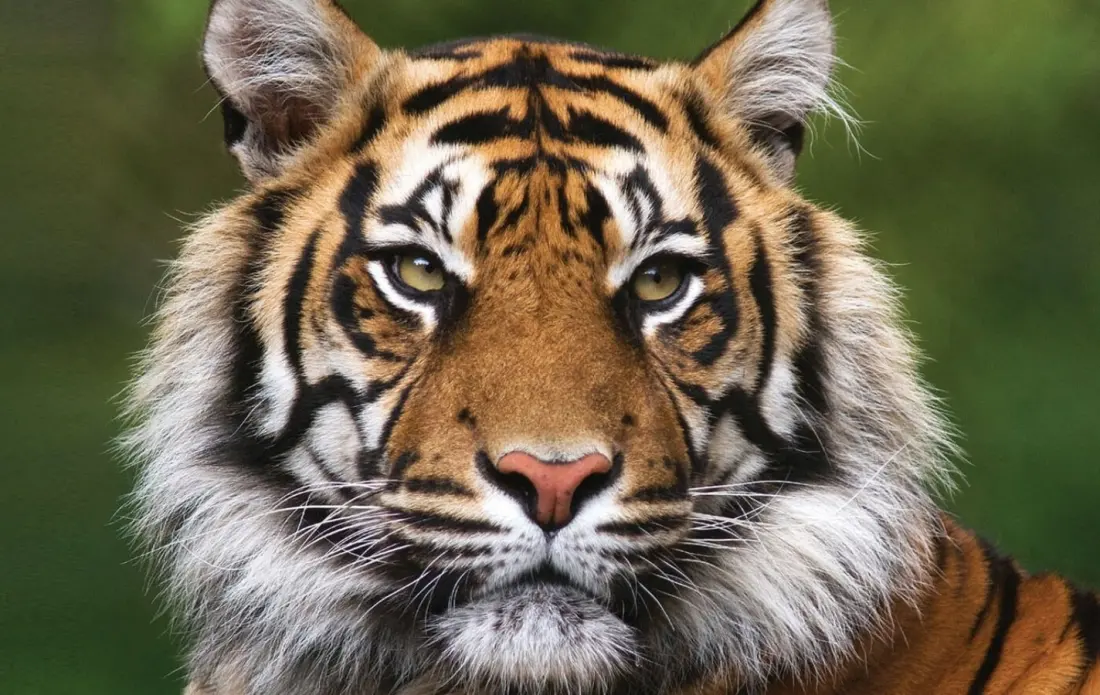
A new 50-hectare tiger sanctuary is being planned at Devnagar, in the buffer zone of Nepal's Chitwan National Park, according to reporting by the Nepali Times. The facility is designed to house so-called problem tigers — animals that have repeatedly strayed into villages, attacked people or livestock, or otherwise made coexistence impossible — in a natural setting rather than keeping them in cramped captivity or resorting to lethal removal.
The sanctuary will be able to accommodate up to 20 tigers. That number matters: Chitwan has become one of the great conservation success stories of the past decade, with Nepal more than doubling its wild tiger population since 2010. Success has a flip side. As tiger numbers rise and the park's carrying capacity fills, encounters at the forest edge have increased, and a handful of animals have developed habits that put communities at risk.
Until now, wildlife authorities have had few good options for these cats. Relocating a problem tiger often just moves the conflict elsewhere, and older or injured animals can struggle to hold territory in the wild. A spacious, forested enclosure inside the buffer zone gives park managers a middle path — removing a dangerous animal from the wild population while keeping it alive, and keeping it in Nepal rather than exporting it to zoos abroad.
There is a tourism angle too. The plan explicitly anticipates ecotourism opportunities around the sanctuary. Chitwan already draws visitors for jeep safaris, canoe trips on the Rapti River, and sightings of rhinos, sloth bears and the park's famous tigers. A purpose-built tiger sanctuary could add a reliable viewing experience for travellers who strike out on safari — and, handled well, a chance to see and understand the animals that usually stay invisible in the tall grass. Whether visitors will be able to view the tigers directly, and what tickets or tours will cost, has not yet been detailed.
For anyone planning a trip to the Terai lowlands, the takeaway is straightforward: Chitwan remains the anchor for wildlife travel in Nepal, and this new facility signals that the park's management is thinking about how conservation and tourism can keep working together as tiger numbers grow. Devnagar sits on the park's western side, an easy detour from the main tourism hubs of Sauraha and Bharatpur.
Details like construction timelines, funding and visitor facilities are still to be confirmed, so treat this as one to watch for the next season or two. But if it comes off as described, it could become a genuinely useful addition — a place that resolves a real human-wildlife conflict problem while giving travellers one more reason to put Chitwan on the itinerary alongside Kathmandu, Pokhara and the trekking trails.
Story first reported by Nepali Times.