Somewhere past mile 141 of Vermont's Long Trail, a group of thru-hikers got a full dress rehearsal for winter — in September. Writing on day 22 of their trek, one hiker describes a stretch between Skylight Lodge and Cooley Glen Shelter that shows exactly what America's oldest long-distance trail can throw at you.
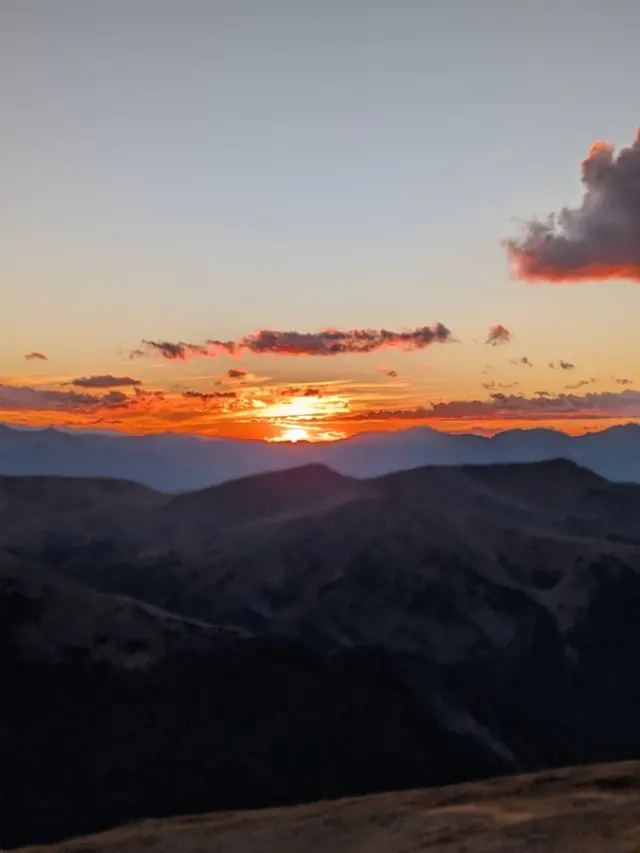
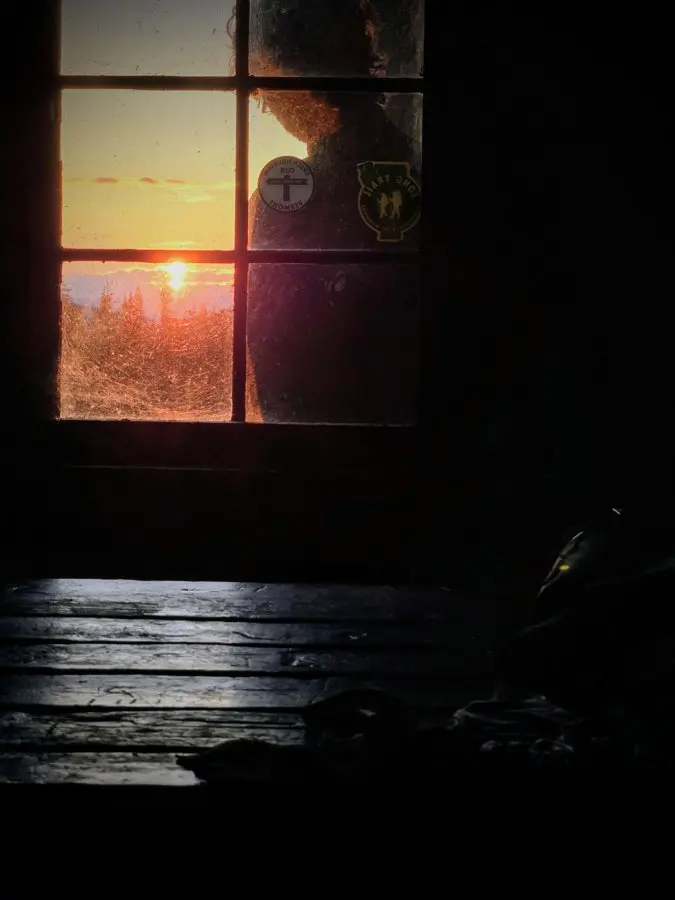
It started beautifully. A cold, clear night delivered a sky so dense with stars the writer described it as diamonds scattered across a blue-black canvas. A pre-dawn look outside revealed Venus, Jupiter, Mars and Saturn strung above a red-gold horizon. Sunrise over Skylight Pond came slowly, in layers of colour, while one member of the group braved the cold at 6 am to photograph it.
Then the weather turned. The tail of a storm combined with the exposure of Breadloaf Mountain to produce what the hikers called their first winter hiking day. Wind blew a steady 20 to 30 mph, with gusts strong enough to snap branches overhead. Temperatures sat somewhere in the 30s, and wind chill pushed into the low 20s. Everyone hiked in long pants, a fleece, a rain jacket, hat and gloves — and even then, removing a layer for a steep climb lasted only minutes before it went back on.
The route itself is classic Long Trail: a grind up the southern peak of Breadloaf Mountain at roughly 1,000 feet of gain per mile, punctuated by rock scrambles where a single bad step could end badly. After the summits, the trail dipped leeward of the wind and the group cruised at a brisk 2.8 mph over an old logging skidder path — churned rocks included.
Midway highlights included the Emily Proctor Shelter, a charming hut with a swinging half-door, a table area and a four-platform bunk room. It has history too: Emily Proctor, daughter of Vermont governor and marble magnate Redfield Proctor, donated $500 in 1914 to build three shelters on the then-new Long Trail. Later came short climbs over Mounts Wilson, Roosevelt and Cleveland, with a warm rock ledge at Mount Wilson doubling as a sunbathing spot.
The day's drama belonged to Cooley Glen Shelter, the three-walled destination. Two nights earlier, during the same storm, a tree had crashed onto the shelter while people slept inside — a glancing blow that damaged only the trim, but left the campers badly rattled. The approach added one more challenge: a smooth, featureless rock face over 12 feet tall directly in the trail, which the hikers negotiated by feel with grippy soles and a quiet word of hope.
For anyone eyeing the Long Trail, this dispatch is a useful reality check. It's a 272-mile ridgeline through the Green Mountains, and even early autumn can feel like midwinter above the trees. The shelters are free, first-come and characterful, but storms drop trees on them — check conditions and have a tent as backup. Pack layers you'd expect for October even in September, and bring footwear with serious grip; Vermont's glacially polished rock slabs do not forgive smooth soles.