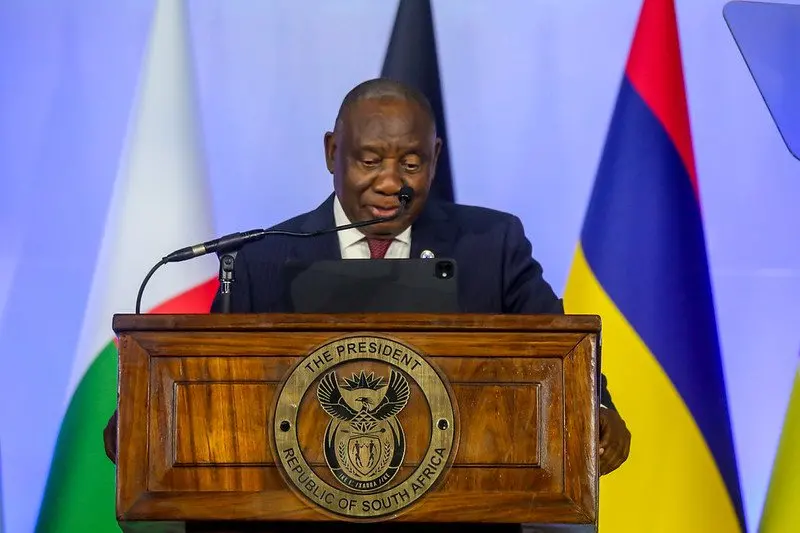
When the 46th SADC Summit brought regional leaders to South Africa, the diplomatic headlines were only half the story. Behind the closed doors, hotels filled with delegations, conference venues ran high-stakes logistics, and transport operators shuttled visitors across the country — a working showcase of South Africa's fast-growing MICE sector (Meetings, Incentives, Conferences and Exhibitions).
The South African National Convention Bureau, part of South African Tourism, sees these events as more than one-off wins. Corne Koch, the bureau's Chief Convention Bureau Officer, argues that successfully hosting complex international gatherings builds lasting confidence among organisers and delegates. The logic is simple: a conference is often a traveller's first taste of the country, and what happens outside the meeting room — wine tours, safari side-trips, cultural visits — can turn a business delegate into a returning leisure tourist, or at least an advocate telling their networks to go.
The numbers behind this push are substantial. Through its Bid Support Programme, the SANCB secured 72 successful bids in 2025, expected to bring roughly 41,679 delegates across 297 conference days, with an estimated economic impact of R1.16 billion. What stands out is where these events are going: not just Johannesburg, Cape Town and Durban, but Gqeberha, Hermanus, Mbombela, Makhado country towns like Bela-Bela, Pilanesberg, Polokwane, Skukuza and Tshwane.
That geographic spread is deliberate. Business events spread tourist spend beyond the usual gateways, feeding demand for tour operators, restaurants, artisans, technical providers and local producers — the whole value chain that supports a visit.
There's a community angle too. The bureau's National Association Project steers suitable events into Villages, Townships and Small Dorpies (VTSDs) — places historically left out of the conference economy. Between January and June 2026, programme-supported events were held in Thohoyandou, Soshanguve, Makhanda, Parys, Modimolle, Ga-Rankuwa, Muldersdrift and Krugersdorp, drawing 1,142 delegates across 21 conference days. For smaller towns, that means visitors who would never otherwise have arrived.
Why should a traveller care? Because the MICE boom shapes the travel experience in practical ways: better conference hotels, improved transport links, and more polished venues in secondary cities — plus pre- and post-event tourism products designed specifically for visitors extending a work trip. If you're attending a conference in South Africa, the country is actively courting you to tack on a few days: safari time near Skukuza or Pilanesberg, Hermanus whale coast, the garden-and-wine routes around Grabouw. And if you're a leisure traveller heading to smaller towns like Parys or Modimolle, you may find the hospitality infrastructure quietly upgrading around you.
The bigger picture is a country using its skill at bringing people together — for summits, conferences and incentives — as a long-term strategy for investment, knowledge exchange and tourism growth. The meeting ends; the trip, ideally, doesn't.