
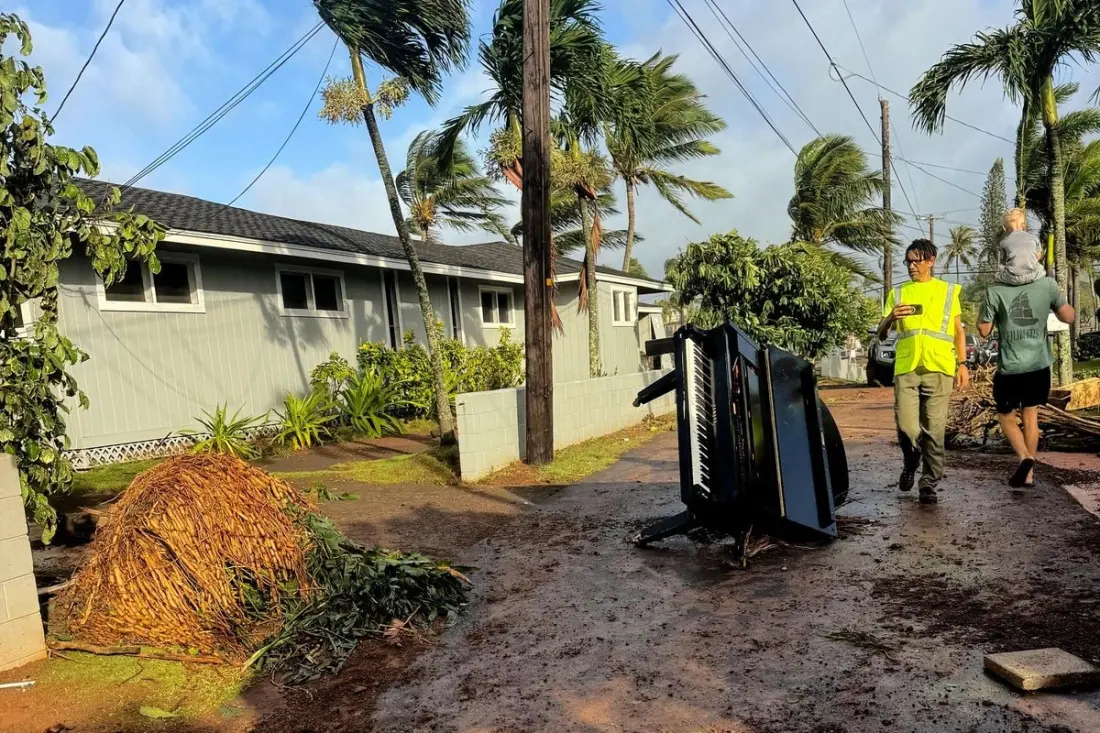
Hurricane Lowell hit Kauai on September 7, knocking out power, washing out roads and toppling trees across an island that normally hosts more than 28,000 visitors a day. In the immediate aftermath, officials asked tourists to stay away so that roads could be cleared for aid and utility crews, and so damaged hotels wouldn't compete for scarce resources.
Now the message has flipped. Kauai County Mayor Derek Kawakami says the island is welcoming visitors again — with conditions: check ahead with your hotel and tour operators, respect closed areas, and spend your money with local businesses. Some beach parks and north shore communities remain off-limits while cleanup continues, and more than 3,000 homes and businesses are still without power, with some areas conserving water.
The plea to return is driven by hard economics. Tourism poured $21.75 billion into Hawaii's economy last year, and when it stops, the island's small businesses feel it fast. The Musubi Truck, a family-run food operation with three locations, has laid off half its 50-person staff and closed one truck since demand for its poke bowls and spam musubi collapsed. Kauai Juice Co., running for 16 years, saw sales drop 85% and cut half its 45 employees; most of its fresh product spoiled despite costly generators, and business interruption insurance hasn't delivered a meaningful payout. Kauai Fresh Fish, which supplies Hawaii-caught seafood to hotels and restaurants, let go seven of eight staff after air cargo disruptions cut off inter-island shipping.
It's a familiar tension for Hawaii. After the 2023 Maui wildfires destroyed Lahaina and killed more than 100 people, the same debate played out: crowds too soon can slow recovery, but a long tourism drought can destroy livelihoods. Food truck owner Kelly Kakalia put it simply — with power and water being restored, the narrative needs to switch before more businesses close, noting travellers are already cancelling November trips.
Governor Josh Green has requested an expedited federal disaster declaration for Kauai and Maui counties, which would unlock low-interest Small Business Administration loans, though approval is still pending. In the meantime, the community has been carrying the recovery itself — relief hubs, donated generators, and volunteers clearing debris.
For travellers, the takeaway is practical: if you have a Kauai trip booked, don't cancel reflexively, but confirm your lodging and activities are operating, avoid closed areas, and lean into local spending — food trucks, juice shops, fish markets — rather than chaining yourself to a resort. If you can't travel, businesses like The Musubi Truck are selling gift cards online and fundraising for its Feed Our Keiki meal program, which is feeding local children while keeping staff cooking. The county website also lists volunteer opportunities for visitors who want to pitch in. Come with patience, the island says, and aloha.