
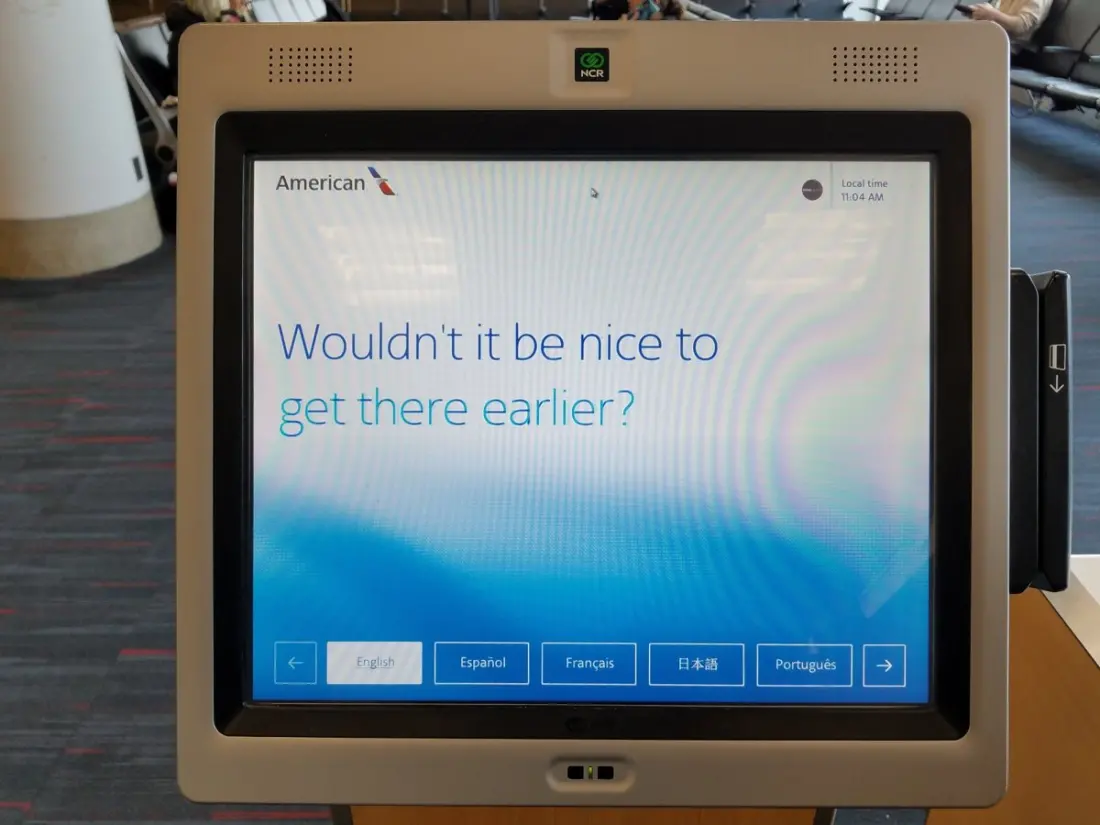
You book the flight, pay for it, pick your seat, and hand over your passport details. Then, 24 hours before departure, you're expected to perform one more ritual: checking in. A piece in View from the Wing argues that this step has outlived its usefulness — and that airlines should simply do it for you.
The logic is straightforward. Check-in once meant physically showing up at an airport counter, when airlines worked from paper records and even needed to reconcile accounts with partner carriers. There was also a period when travellers had to phone in to reconfirm reservations — a requirement carriers quietly dropped decades ago. Online check-in arrived in 1999, courtesy of Alaska Airlines, the same airline that first sold tickets on the web back in 1995. But tapping a button from your sofa a day ahead doesn't actually tell the airline anything it doesn't already know. It still has no idea whether you'll reach the gate on time.
So what does check-in actually accomplish? It triggers back-office processes: boarding pass issuance, seat assignment, upgrade list placement, document checks. All of these, the argument goes, could run automatically. Check-in also helps airlines forecast no-shows and gives them a cutoff for releasing seats to standby passengers — and since check-in is a regulatory benchmark, missing it lets carriers deny overbooking compensation. In other words, the current system benefits the airline more than the passenger.
Some automation already exists. Delta launched automatic check-in for eligible domestic travellers on its app in October 2017, though passengers still had to acknowledge hazardous items rules. Lufthansa offers auto check-in on certain fares, as does LATAM on domestic bookings made directly. easyJet opens its check-in window a full 30 days before departure, which shows the 24-hour convention isn't set in stone either.
There are genuine obstacles. US rules require dangerous-goods acknowledgments at boarding pass issuance, and security screening under the Secure Flight program transmits passenger data roughly 72 hours before departure. Those are real requirements — but they could be handled as prompts or exceptions rather than a mandatory chore for everyone. Someone with a dead phone battery shouldn't lose their seat because they failed to complete a step the airline could have done itself.
For travellers, the takeaway is partly practical and partly a nudge at the industry. Set your airline's app to auto check-in if it offers it — Delta, Lufthansa and LATAM customers may already be covered. Otherwise, set a reminder for the check-in window, because missing a cutoff genuinely can cost you your seat or your compensation rights on an overbooked flight. And if you're the type who likes a paper boarding pass, know that you're still entitled to ask for one at the airport, however much carriers nudge everyone toward their apps. Whether the airlines eventually bury the check-in button altogether, the debate is a reminder that plenty of friction in air travel persists because it always has — not because it has to.