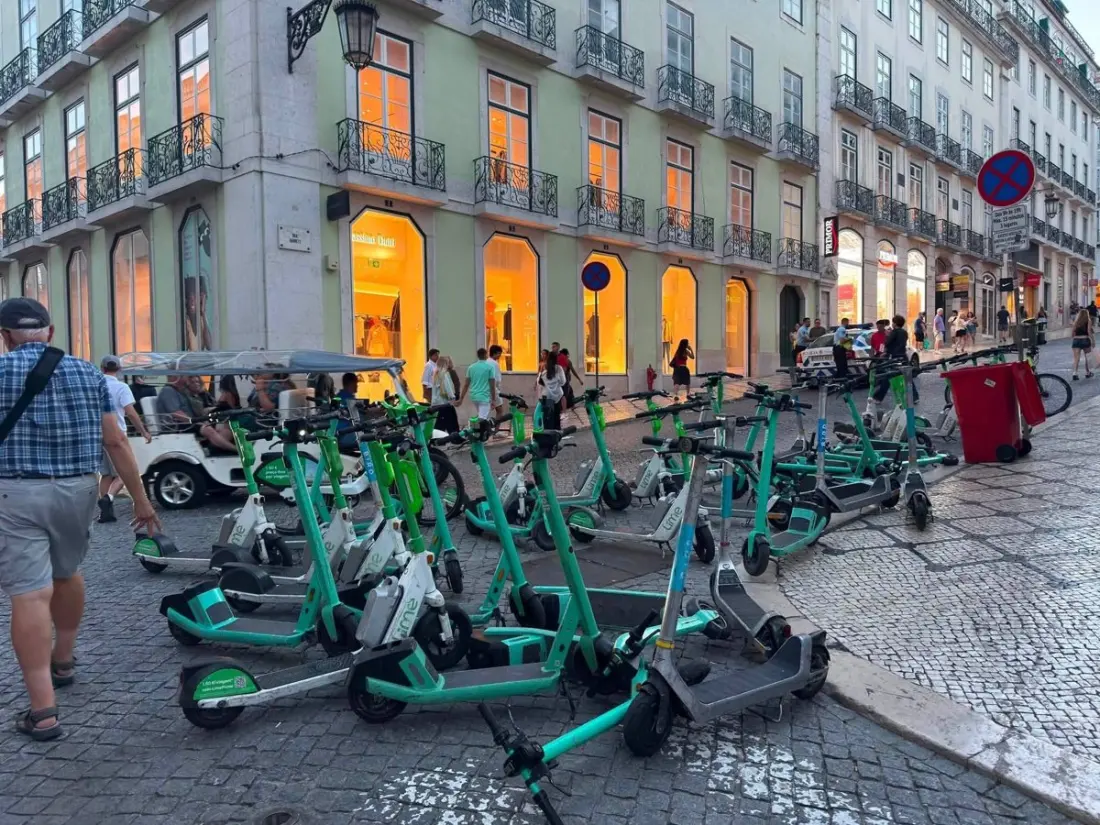
Lisbon's mayor, Carlos Moedas, has promised action against the "utter chaos" of shared electric scooters in the Portuguese capital, singling out riders who travel against traffic and leave machines scattered across pavements. He made the pledge at a city hall event launching a UN Global Road Safety Campaign run with outdoor advertising company JCDecaux, attended by the UN Secretary-General's road safety envoy, Jean Todt, and JCDecaux co-chair Jean-Charles Decaux.
The timing matters. The Automobile Club of Portugal (ACP) recently collected around 20,000 signatures from registered Lisbon voters to force a municipal referendum on whether the shared scooter scheme should continue at all. Moedas, who says he already halved the number of shared scooters in the city through negotiations with operators when he took office, indicated the council will step in with its own measures if operators don't stop scooters being ridden the wrong way down streets. He didn't detail what those measures would be — just that they're coming.
The scooter debate sits inside a broader road safety push. Lisbon recorded more than 30 road deaths a year in 2020; that figure has now fallen to around 16. The mayor credits gradual policy changes, pointing to recent work in the downtown Chiado district where pavements have been widened and some streets closed to traffic, combined with enforcement.
The stakes are bigger than one city. Road accidents kill 1.2 million people worldwide each year, according to the UN — a toll Decaux called a "silent pandemic", hitting hardest among those aged 5 to 29. Portugal alone lost more than 5,900 people on its roads between 2015 and 2025, roughly 50 a month, based on figures from the national road safety authority ANSR, health authority DGS and statistics agency INE. The UN-JCDecaux campaign, already live in over 65 countries, will reach all 78 countries where the company operates by year's end.
For travellers, the takeaway is simple: Lisbon's hills are fun on two wheels, but the rules are tightening. Ride with traffic, park in designated spots rather than dumping scooters by tram stops, and expect more designated parking zones — and possibly fewer scooters on the street — as the city council moves. If you'd rather sidestep the scooter scrum, the cobbles of Alfama, the No. 28 tram and Lisbon's growing network of pedestrianised streets in areas like Chiado make walking a genuinely pleasant option.