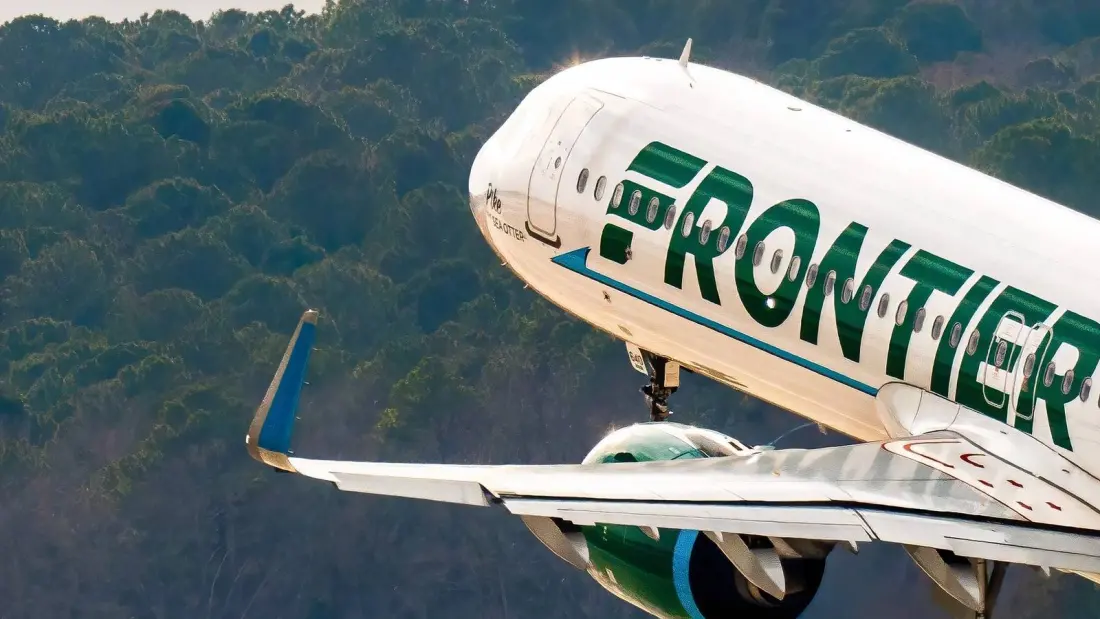
A 43-second clip posted to X on September 25 has put Frontier Airlines under the microscope. Passenger Erica Mena filmed a flight attendant on Frontier flight F9 2342, flying from Los Angeles (LAX) to Denver (DEN), using a galley dispenser to fill empty plastic water bottles — bottles that, she said, looked like they would be handed out as commercial bottled water.
The video does not actually prove passengers were served the refills, that the airline broke any rules, or that the water was unsafe. Frontier hasn't explained what was going on. But the clip went viral because it touches a real expectation gap: most travellers assume anything presented as bottled water has stayed sealed and separate from the plane's own plumbing. Watching water come out of an aircraft tap into a bottle that resembles a retail product feels, at minimum, like a transparency problem.
So how worried should you actually be about that tap water? Aircraft water is federally regulated. The EPA's Aircraft Drinking Water Rule obliges airlines to keep inventories of their water systems, run sampling plans, and carry out disinfection and flushing procedures. The FAA oversees maintenance programs and the FDA covers equipment and water used in food and drink prep. The scrutiny exists for a reason: planes board water at different airports, sometimes through temporary hoses, and cruise between cities all day. Historical EPA testing is a reminder of the stakes — a 2004 sampling program found total coliform bacteria in 17.2% of 169 randomly selected passenger aircraft, and earlier rounds turned up E. coli positives too.
Frontier's recent record, though, is better than the video might suggest. A study from the Center for Food as Medicine and Longevity analysed more than 35,000 aircraft water samples taken between October 2022 and September 2025 and gave Frontier a 4.80 out of 5 water-safety score. Only 13 of 952 tested locations — about 1.37% — came back coliform-positive, and the airline recorded no E. coli contaminant-level violations. Across the wider regulatory record, roughly 3% of aircraft water tests detect total coliform, which is an indicator organism rather than proof of anything harmful.
For travellers, the takeaway is less "avoid plane water" and more "know what you're drinking." Water from the galley dispenser — for tea, coffee or straight from the tap — is regulated as drinking water and, on most US carriers, is genuinely well-monitored these days. What you're entitled to expect is honesty: if you buy or accept water presented as bottled, it should come from a sealed container. If you'd rather not leave it to chance, grab bottled water airside after security, or bring an empty bottle and fill it at a terminal fountain before boarding. The Frontier incident looks less like a safety scandal and more like a customer-communication misstep — but it's a fair prompt to pay attention to what lands on your tray table.