What does the final week of walking Oregon on the Pacific Crest Trail actually look like? One thru-hiker's account of days 123 to 130 offers a vivid, unvarnished answer — and it's a useful reality check for anyone dreaming about this stretch of trail.
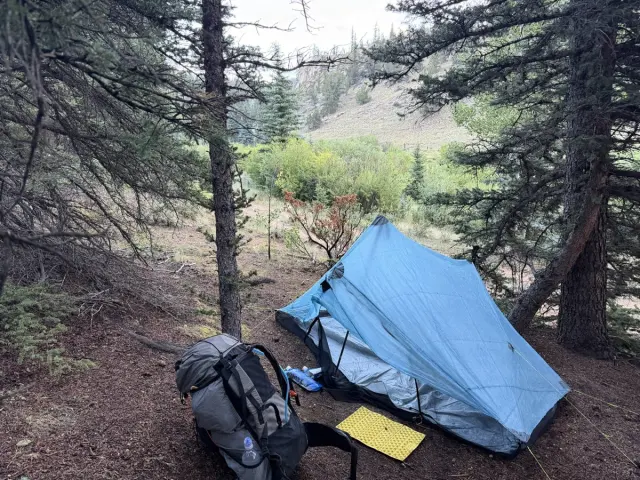
The section began in the Mt. Jefferson Wilderness, where the hiker ground out miles through burn scars under a relentless sun, forded milky, sediment-heavy rivers (the toughest crossings since the Sierra) and camped just outside a no-camping zone near Jefferson Park. Even iconic Cascade peaks, it turns out, can feel like a slog when your feet hurt and your food isn't cutting it.
The bigger story here is wildfire smoke. Attempting the trail's classic 24-hour challenge — covering as far as possible in a day — the hiker ran into deteriorating air quality from a nearby fire, with readings hitting an alarming AQI of 480 and ash falling like snow near the Warm Springs Reservation. A KN95 mask became essential gear, and the challenge fizzled out at around 33 miles, aborted near the Warm Springs River at 11:30pm. It's a timely reminder that late-summer smoke can reshape any Cascade hiking plan, even mid-trip.
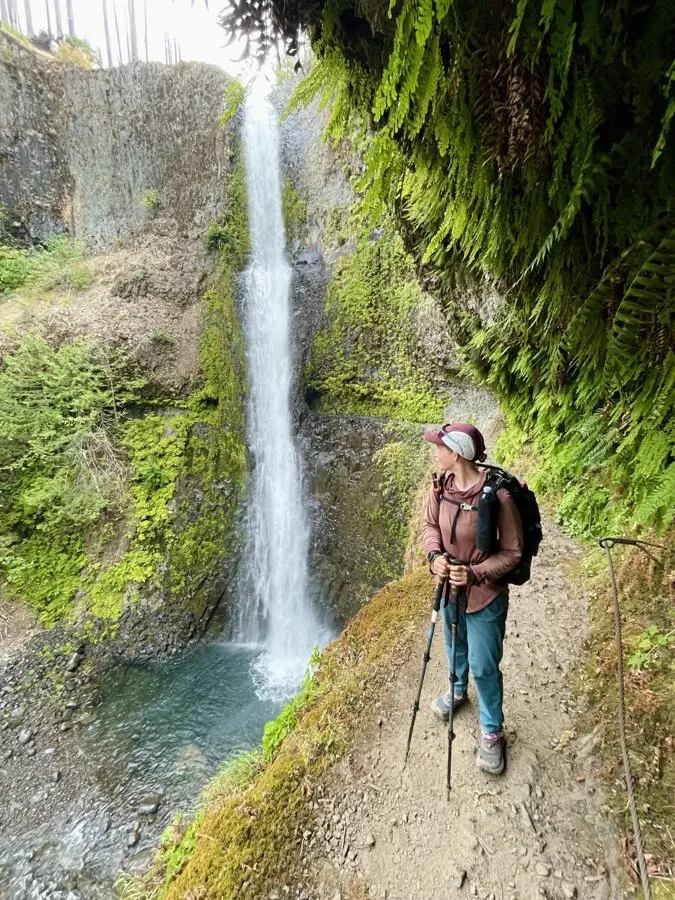
There were bright spots too. The off-grid Olallie Lake cabin outpost offered a resupply at eye-watering prices but genuine old-school charm. Spontaneous trail magic — cold sodas and snacks from former hikers at Olallie and at Lolo Pass and Frog Lake — kept morale alive. The Confederated Tribes of Warm Springs maintain what the hiker calls the best-quality trail tread in Oregon, flat and clear through their land. And Timberline Lodge on Mt. Hood delivered the week's culinary highlight: a heaping breakfast poutine, plus lattes, in what was a nostalgic homecoming for a hiker who skied there through college. Not everything was smooth — the Sandy River crossing, thigh-deep and fast-flowing at dusk, ranked among the most intimidating since the Sierra, edging past the spectacular Tunnel Falls on the Eagle Creek Trail, where the path actually runs behind the waterfall through a rock tunnel.
The week finished with a descent into Cascade Locks just as the two-day PCT Trail Days festival kicked off — main street packed, tents sprawling across Thunder Island, and thru-hikers reuniting after weeks apart. For long-distance walkers, timing your Oregon-Washington border crossing to land during Trail Days is clearly worth planning for.
Who is this for? Thru-hikers and section-hikers weighing an Oregon summer itinerary, and anyone curious about the gritty, human side of a long trail: the bad dinners, night-hiking jitters, smoke masks and small kindnesses that coexist with waterfalls and volcano views. It's less a guidebook than a feel for the trail — and it captures both why people attempt this walk and what can grind them down.