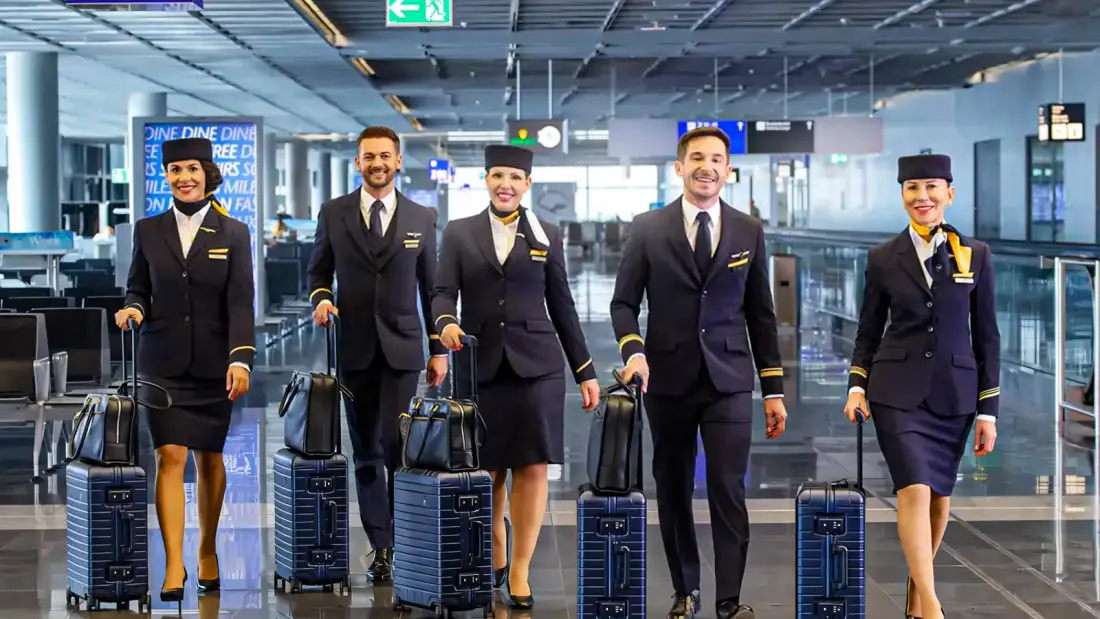
Before a flight attendant unpacks a single item in a hotel room, they spend roughly 90 seconds running a security sweep. Some call it the 'Hotel Autopsy', and while it was drilled into crew during airline training, it works just as well for anyone checking into a hotel alone.
The routine starts with the door: crew prop it open with their suitcase while they scan the room, first to confirm nobody is inside and nobody followed them in. Reception mix-ups and housekeeping surprises happen, and an open door means a quick escape if something's off. Then comes the sweep itself — behind the curtains, under the bed, in the closet, and in the bathroom — checking no one is hiding. Only after that do they close the door, lock any connecting-room doors, hang the Do Not Disturb sign, and secure the windows and balcony.
Locks get extra attention. Crew check for a double-lock mechanism, and many carry their own portable door lock, alarm, or wedge; in a pinch, a chair jammed under the handle makes enough noise to wake you. Some also look for hidden cameras, though these are admittedly hard to spot. Discretion matters from check-in onward: never announce your room number aloud, keep it off your key card holder, and always verify who's at the door through the spyhole before opening it.
Fire safety is part of the ritual too. Check the evacuation map on the back of the door, then actually walk the corridor and locate the exit sign — just as you'd count rows to the emergency exit on a plane. A rolled-up towel at the door base can block smoke in a nearby fire, and keeping a flashlight and spare key card by the bed means you can leave fast if needed. A neat trick for the in-room safe: put one shoe inside with your valuables. You won't walk off without your laptop or watch if you can't leave without both shoes.
The habits extend to layovers. Crew go out in groups where possible, tell someone where they're headed, dress down, carry minimal cash, and skip anything that screams tourist. They know the hotel address card doubles as a taxi instruction, always agree a fare upfront, and walk away from bars with no price lists — overcharging scams and drink spiking are real risks in some cities. Certain destinations, including Rio de Janeiro, São Paulo, Kingston, Mexico City and Johannesburg, are flagged as particularly risky for crew, and on some layovers the advice is simply to stay in the hotel.
Why should a regular traveller care? Because you can borrow all of it for free. Arriving alone in an unfamiliar city at night, it costs you two minutes to sweep the room, test the locks, locate the fire exit, and put your shoe in the safe. Flight crews stay in hundreds of different hotels a year with wildly varying security standards, and this routine is what keeps them safe — no paranoia required, just a checklist you can run on autopilot. Simple Flying has the full breakdown.