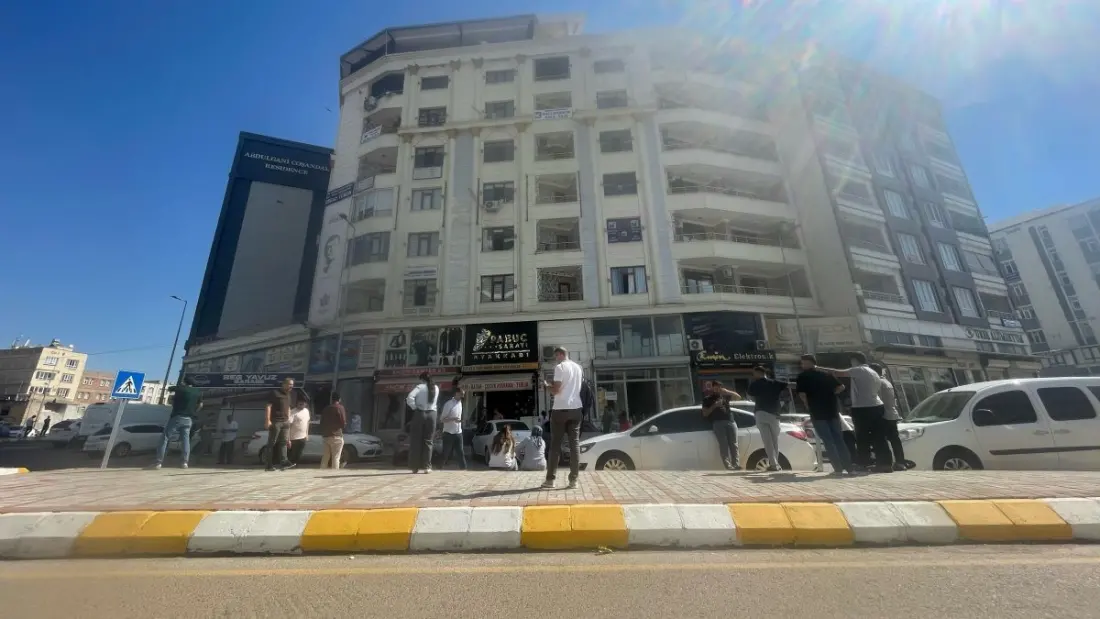
A magnitude 5.4 earthquake struck several provinces across southeastern and eastern Türkiye on Thursday morning, according to the country's Disaster and Emergency Management Authority (AFAD). The quake hit at around 10:56 am local time, with tremors felt across a broad swathe of the country's east.
AFAD, the state agency responsible for monitoring seismic events, reported the event but the initial bulletin did not specify an epicentre by name, nor did early reports detail damage or casualties. In a country where earthquakes are frequent and infrastructure response is well drilled, authorities typically follow up with field assessments within hours, so travellers in the region should expect updates from AFAD and local governorships as the day unfolds.
The area affected covers a part of Türkiye less visited than Istanbul, Cappadocia or the Turquoise Coast, but it includes destinations that have been drawing more interest in recent years. Mardin's honey-coloured old town, the riverside city of Diyarbakır with its vast basalt walls, Van's lakeside castle and the scattering of provinces around them sit in one of the more seismically active zones of the country, where the Arabian and Anatolian plates press against each other.
If you have trips booked to the southeast or east in the coming days, there is no need to panic-cancel — quakes of this size are routine in Türkiye and the country's building codes and emergency systems have been substantially reformed, particularly since the devastating 2023 quakes in the country's south. But it is worth doing the usual homework: register with your foreign ministry's travel alert service if yours offers one, note the location of your accommodation's emergency exits, keep a downloaded offline map on your phone, and follow AFAD's English-language channels for verified updates rather than social media rumours.
Travellers already in the region should check that transport plans are unaffected. Regional roads and the rail lines threading through the east occasionally face temporary inspections after seismic events, and smaller local airports can pause operations briefly as a precaution. In practice, service usually resumes quickly unless there is structural damage.
The bigger takeaway is simple: earthquake awareness is part of travelling anywhere in Türkiye. The country sits on some of the most active fault lines on earth, and the east and southeast — far from the tourist crowds — see regular moderate tremors that rarely make international headlines. Learn the drop-cover-hold drill, keep shoes and a torch by your bed in hotels, and know the local emergency number, 112. With those basics sorted, the rewards of the region — Mardin's terraced streets, the crater lake at Nemrut Dağı, Diyarbakır's legendary kebaps — are well worth the trip.
This report is based on initial AFAD statements; figures and details may be revised as assessments continue. Full details via Daily Sabah Travel.