A quiet shift is underway in how older travellers holiday: fewer whistle-stop group tours, more days spent watching mist move over limestone hills. Vietnam's northern province of Cao Bang, close to the Chinese border, is emerging as a natural fit for this slower style of trips.
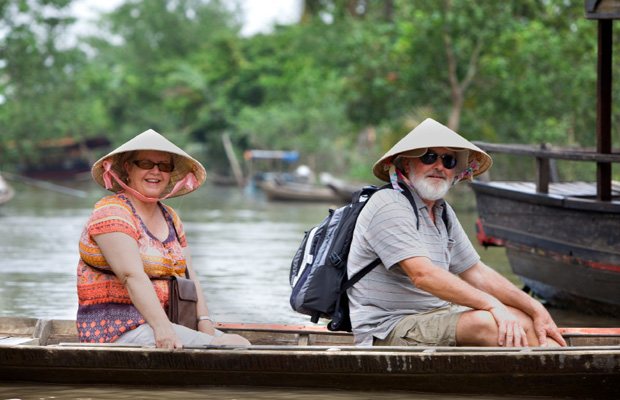
Slow travel isn't about seeing less. The idea is to cut the fatigue of packed itineraries and settle into the rhythm of one place. For retirees, that matters more than it once did — health needs, easy transfers and genuine rest now outrank ticking off landmarks. Local operators are responding: homestays are arranging ground-floor rooms to avoid stairs, learning guests' dietary needs in advance, and building rest breaks into every day. BongHome Homestay owner Nong Minh Nghia says his team checks elderly guests' health, routines and diet before arrival, and keeps schedules unhurried with generous pauses between stops.
The appeal of Cao Bang itself is obvious once you picture it: winding mountain roads under karst peaks, cool highland air, ethnic minority villages and layers of history in each valley. Rather than racing between sights, visitors can linger over regional dishes, talk with villagers and hear the local folklore attached to each gorge and settlement. Nguyen Mai Lan, a 65-year-old traveller from Hanoi, put it plainly: since retiring she prefers an easy tempo — watching the hills, tasting local food and chatting with residents instead of chasing a checklist.
The commercial side is moving too. Vietnam's growing "silver travel" market is pushing tour designers toward private transport, step-free accommodation, moderate trip lengths and flexible daily plans that mix scenery with food and village visits. Comfortable touring intervals, ergonomic seating and coordination between lodgings, guides and drivers have become the baseline rather than the bonus.
For anyone planning a retirement trip — or travelling with older parents — Cao Bang shows why slow itineraries work. The province's landmarks, including Ban Gioc Waterfall on the border, reward a steady pace, and its homestay culture means you're hosted rather than processed. The lesson travels well beyond Vietnam: fewer stops, longer stays and hosts who plan around mobility turn a holiday from exhausting into restorative.